
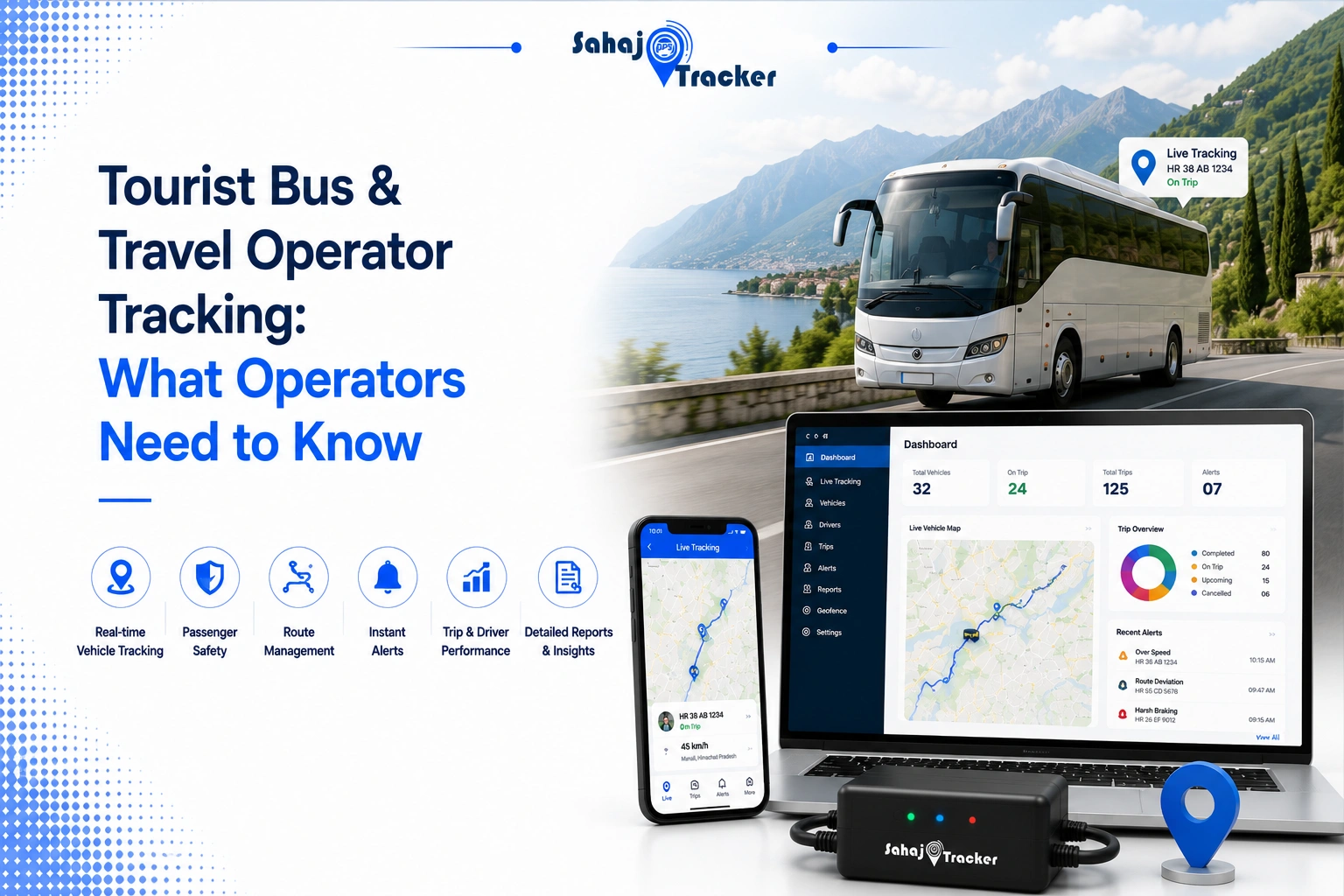
There was a time when managing a tourist bus fleet mostly depended on phone calls, handwritten schedules, and trust. Drivers called in with updates, passengers waited at pickup points wondering where the bus had reached, and operators spent half the day coordinating everything. Things have changed.
Today, a Real-Time Vehicle Tracking System isn’t just a nice feature to have-it’s becoming something passengers quietly expect. Whether you’re running weekend tours from Delhi to Jaipur or holiday packages across Kerala, knowing exactly where every vehicle is can save time, reduce stress, and keep operations running far more smoothly.
Travel businesses across India are also facing higher customer expectations than ever before. People want live updates, timely arrivals, safer journeys, and better communication throughout the trip. At the same time, operators are dealing with fuel costs, traffic delays, driver scheduling, and vehicle maintenance. Managing all these moving parts manually… honestly, it gets exhausting. That’s where smart fleet technology starts making a real difference.
Why Tourist Bus Operators Need Smarter Fleet Tracking
Tour operations rarely follow a perfect schedule. A sudden traffic jam outside Mumbai, unexpected road construction in Himachal Pradesh, or weather delays while travelling through Goa can easily affect an entire itinerary. Without live vehicle visibility, operators are left guessing and passengers become frustrated.
Modern GPS fleet tracking gives operators a complete picture of every vehicle’s movement throughout the day. Instead of repeatedly calling drivers for updates, dispatch teams can monitor buses from one dashboard and respond quickly whenever routes change.
Passengers benefit too. When customers receive accurate arrival information instead of vague estimates, they feel more confident about the service. Small improvements like these often lead to better reviews and repeat bookings.
How a Real-Time Vehicle Tracking System Improves Daily Operations
A Real-Time Vehicle Tracking System does much more than display a moving vehicle on a map. It becomes the operational centre for an entire travel business.
Managers can monitor departure times, track delays, verify route completion, and quickly locate the nearest available vehicle whenever last-minute schedule changes occur. This helps operators minimise confusion without constantly contacting drivers.
During peak holiday seasons, when multiple buses travel simultaneously across different destinations, real-time tracking becomes even more valuable. Operators can coordinate arrivals, allocate backup vehicles if necessary, and provide passengers with accurate travel updates.
Many travel companies also integrate solutions like Sahaj GPS into their operations because they need one platform that combines vehicle tracking, reporting, trip history, and fleet visibility without making everyday management more complicated.
Geofencing GPS Tracker for Better Route Control
One feature that often gets overlooked is the Geofencing GPS tracker, but it can solve several operational challenges without much effort.
Geofencing creates virtual boundaries around important locations such as hotels, tourist attractions, depots, airports, or pickup points. Whenever a bus enters or exits these locations, the system automatically records the activity and sends notifications if required.
Imagine a Rajasthan sightseeing tour with multiple scheduled stops. Instead of asking drivers whether they have reached each destination, the operator already knows. Notifications appear automatically, making trip coordination far easier.
Geofencing is equally useful for preventing unauthorised vehicle usage. If a bus moves outside its approved operating zone after working hours, operators receive immediate alerts and can investigate before a small issue becomes a bigger one.
Route Optimization Software Helps Save More Than Time
Most people think route optimization software simply finds shorter roads. Actually, it does much more than that.
An efficient routing system considers traffic conditions, road closures, travel distance, scheduled pickup points, and expected arrival times before suggesting better routes. Even saving fifteen or twenty minutes on multiple trips each day adds up over an entire season.
Fuel consumption often decreases because buses spend less time idling in traffic. Drivers also experience less unnecessary stress from constant rerouting.
For operators running tours across cities like Delhi, Jaipur, Agra, and Chandigarh, route optimisation improves scheduling accuracy while helping passengers reach destinations on time without feeling rushed throughout the journey.
Businesses using Sahaj GPS often combine live tracking with intelligent route planning to improve operational efficiency while keeping daily fleet management simple for dispatch teams and travel coordinators.
Better Passenger Experience Starts Behind the Scenes
Passengers rarely ask what tracking platform a company uses. They notice something else instead.
They notice when the bus arrives close to the promised time. They notice when pickup information is accurate. They appreciate receiving updates instead of waiting without knowing what’s happening. Those little moments shape the entire travel experience.
Reliable tracking systems quietly support these experiences behind the scenes by giving operators better visibility and faster decision-making. When managers know where every vehicle is, they spend less time reacting to problems and more time keeping trips organised. Sometimes, that’s the difference between an average travel company and one people recommend to friends.
Driver Behavior Monitoring Software Reduces Risk on Every Trip
Even the best-maintained tourist bus can become unsafe if driving habits aren’t monitored. Long-distance routes often involve highways, mountain roads, changing weather, and heavy traffic. That’s why Driver Behavior Monitoring Software has become an important tool for travel operators who want to improve passenger safety without constantly supervising drivers.
The system records events like harsh braking, sudden acceleration, overspeeding, long idling, and rapid cornering. These insights help operators understand driving patterns over time instead of relying on complaints or assumptions. A driver may not realise they’re braking too aggressively until the data points it out. Once coaching begins, driving usually becomes smoother, fuel consumption improves, and passengers enjoy a far more comfortable journey. It isn’t about policing drivers. It’s about helping them perform better while reducing unnecessary risks.
Fleet Driver Behavior Monitoring Improves Long-Term Performance
Looking at one trip doesn’t tell the whole story. That’s where fleet driver behavior monitoring becomes useful. Instead of reviewing individual incidents, operators can identify long-term trends across the entire fleet.
For example, if several drivers regularly exceed speed limits on the same highway stretch, the issue might be route planning rather than driver discipline. If excessive idling appears at certain pickup points, schedules may need adjustment. Small observations like these often lead to practical improvements that save both time and operating costs.
Many experienced operators review driver reports every week instead of waiting until a problem becomes serious. Regular feedback creates accountability without making drivers feel pressured. Over time, safer driving habits become part of the company’s culture, which benefits passengers as well as the business.
Travel companies using Sahaj GPS can combine driver performance reports with live vehicle tracking, making it easier to manage daily operations while improving service quality across the fleet.
Choosing the Right Tracking Solution for Your Travel Business
Not every travel operator needs the same features. A company running city sightseeing buses has different requirements than one managing multi-day tours across Rajasthan, Kerala, or Himachal Pradesh. That’s why choosing a tracking platform should begin with understanding your daily operations rather than simply comparing prices.
Look for a solution that offers live tracking, trip history, geofencing, driver performance reports, route planning, maintenance reminders, and easy reporting. A platform should also be simple enough for dispatch teams to use without spending weeks learning complicated software.
Scalability matters too. Many businesses start with five or six vehicles and gradually expand. A reliable tracking system should grow with the business instead of forcing another software change a year later.
Solutions such as Sahaj GPS support operators who want visibility into vehicle movement, driver activity, and route performance from a single dashboard, helping them manage growing fleets without adding unnecessary complexity.
Technology Is Becoming a Competitive Advantage
Tourism is changing quickly. Travelers compare reviews before booking, expect timely communication, and notice when services feel organised. Behind many successful travel businesses, there is usually a system helping everything stay on track.
A modern fleet management approach doesn’t replace experienced operators or skilled drivers. It simply gives them better information at the right time. When buses follow planned routes, passengers receive timely updates, drivers work more confidently, and managers spend less of the day solving avoidable problems, everyone benefits.
Whether you’re operating weekend tours, interstate holiday packages, pilgrimage services, or corporate travel, investing in smarter tracking technology today can make everyday operations noticeably easier tomorrow. Sometimes the biggest improvements aren’t dramatic at all. They’re the small things passengers remember-arriving on time, feeling safe, and enjoying a trip that simply runs the way it should.
FAQs
1. What is a Real-Time Vehicle Tracking System for tourist buses?
A Real-Time Vehicle Tracking System lets operators monitor bus locations live, improve trip coordination, reduce delays, and provide accurate updates to passengers throughout their journey.
2. How does a Geofencing GPS tracker help travel operators?
A Geofencing GPS tracker creates virtual boundaries around key locations and sends automatic alerts when buses enter or leave them, improving route control and operational visibility.
3. Why is Driver Behavior Monitoring Software important?
Driver Behavior Monitoring Software identifies harsh braking, speeding, idling, and unsafe driving habits, helping operators improve safety, reduce fuel costs, and enhance passenger comfort.
4. What are the benefits of route optimization software?
Route optimization software selects efficient travel routes by considering traffic and distance, helping reduce fuel usage, shorten travel time, and improve on-time arrivals for passengers.
5. Can GPS tracking improve customer satisfaction?
Yes. Live tracking, accurate arrival updates, safer journeys, and better communication create a smoother travel experience, leading to higher customer trust, positive reviews, and repeat bookings.