
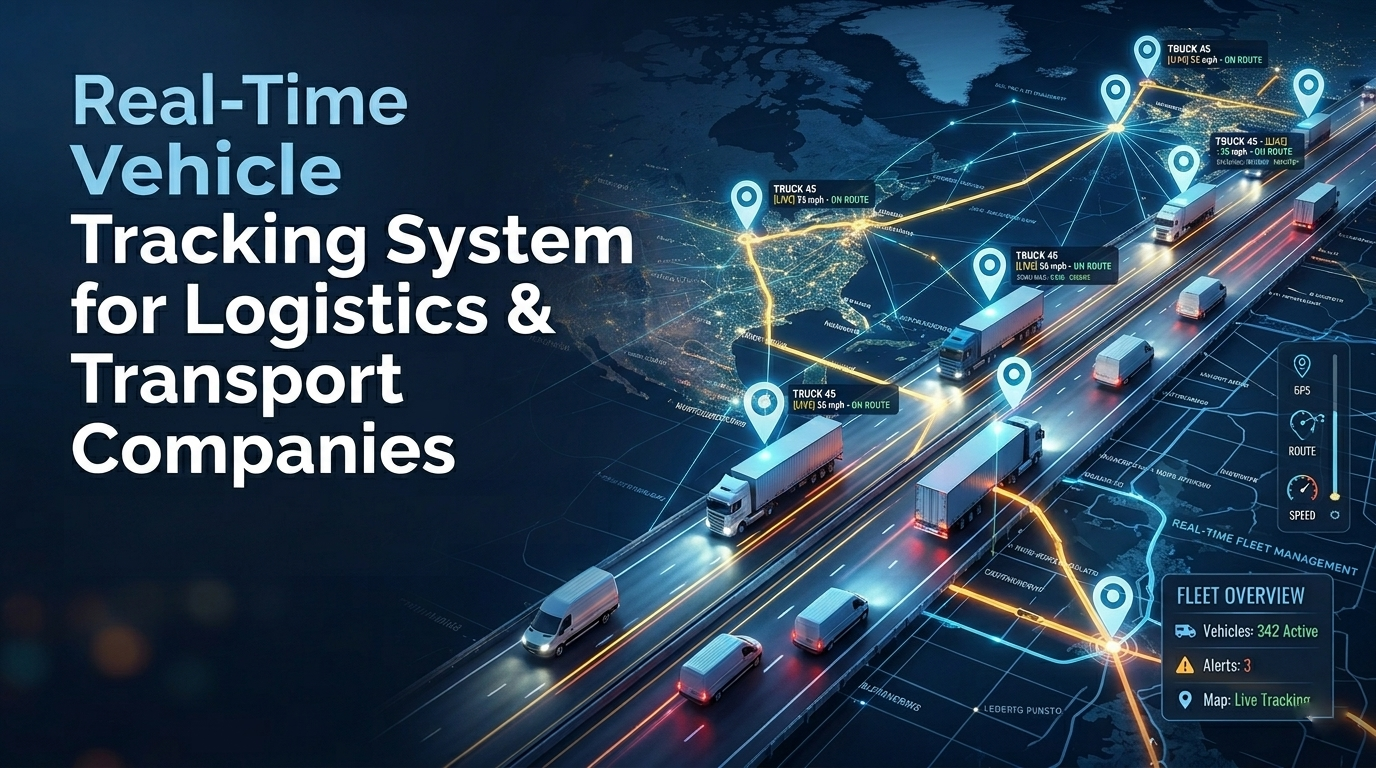
If you run a logistics or transport business, you already know how much can go wrong between the warehouse and the customer’s doorstep. Vehicles take unplanned routes. Fuel bills keep climbing. Drivers go off-schedule. And when you’re managing a fleet of 10, 50, or 500 vehicles, doing all of this manually is simply not sustainable.
That’s exactly where a real-time vehicle tracking system changes the game. It gives you live visibility into every vehicle in your fleet – where it is, how fast it’s moving, how much fuel it’s consuming, and whether it’s staying on the assigned route. In a competitive market like India, where delivery expectations are high and margins are tight, this kind of real-time intelligence is no longer a luxury – it’s a necessity.
Why Logistics Companies Are Switching to Real-Time Tracking
The logistics sector is growing at an impressive pace, driven by e-commerce, FMCG distribution, and infrastructure expansion. But growth also brings complexity. More routes, more vehicles, more drivers – and more things that can go wrong.
Without a proper tracking system, fleet managers often deal with:
- Vehicles deviating from planned routes without explanation
- Inflated fuel bills with no clear accountability
- Delayed deliveries and frustrated customers
- Lack of driver behaviour data (speeding, harsh braking, idle time)
- Inability to respond quickly to breakdowns or emergencies
A robust real-time vehicle tracking system addresses every one of these pain points – giving managers the data they need to make faster, smarter decisions.
Key Features That Matter Most for Transport Fleets
Not all tracking systems are built the same. For logistics and transport companies, here are the features that deliver the most value:
1. Live Location Monitoring
The core of any vehicle tracking system is live location data. Using a vehicle GPS system, fleet managers can see every vehicle’s exact position on a map, updated every few seconds. This makes it easy to reassign routes, respond to delays, and update customers with accurate ETAs.
2. Route Optimisation and Geofencing
Define specific zones and routes for your vehicles. If a driver takes an unauthorised detour or exits a geofenced area, you get an instant alert. This not only improves on-time delivery rates but also protects your cargo from theft and misuse.
3. Fuel Consumption and Theft Control
Fuel is one of the largest operational costs for any transport business. A vehicle fuel tracking system integrated with your GPS setup monitors real-time consumption, detects sudden fuel drops (a sign of siphoning), and tracks idle time – all of which silently drain your fuel budget. Companies that implement fuel monitoring often see 15–25% reductions in fuel expenses within the first few months.
4. Driver Behaviour Monitoring
Speeding, harsh braking, and excessive idling don’t just wear out your vehicles faster – they’re also safety hazards. Real-time alerts and driver scorecards help you coach drivers towards safer, more fuel-efficient behaviour over time.
5. Automated Alerts and Reports
From maintenance reminders to overspeed alerts to end-of-day trip summaries – a good tracking system automates the reporting work so fleet managers can focus on operations rather than chasing data from drivers.
The Real Business Impact for Indian Logistics Fleets
Numbers speak louder than features. Here’s what businesses typically experience after deploying a real-time vehicle tracking system:
- 15–25% reduction in fuel costs through idle time control and route efficiency
- 20–30% improvement in on-time delivery rates
- Significant drop in unauthorised vehicle use and overtime claims
- Faster customer response times with accurate live ETAs
- Lower maintenance costs due to proactive vehicle health monitoring
For a mid-sized transport company running 50+ vehicles, these improvements can translate into lakhs of rupees saved every month – making the investment in tracking technology pay for itself very quickly.
Choosing the Right Real-Time Vehicle Tracking System for Your Fleet
Not every tracking solution will suit every business. When evaluating options, keep these criteria in mind:
- Scalability – can it grow from 10 vehicles to 500 without changing platforms?
- Mobile app quality – can field managers and drivers use it easily on Android/iOS?
- AIS 140 compliance – especially important for commercial vehicles on Indian roads
- Integration capability – does it connect with your ERP, TMS, or dispatch system?
- Live GPS tracker accuracy – look for systems with 5–10 second refresh rates for true real-time visibility
- Local support – having a provider with India-based support can save hours of downtime
Sahaj GPS has been delivering enterprise-grade real-time vehicle tracking systems for over 15 years, trusted by leading logistics, FMCG, and transport companies across India. Our platform is scalable, AIS 140 compliant, and backed by a dedicated support team.
Conclusion
The Indian logistics sector is evolving fast, and businesses that embrace technology are the ones pulling ahead. A reliable real-time vehicle tracking system is no longer just a convenience – it’s the operational backbone of any serious transport company. Whether you’re managing last-mile deliveries, long-haul routes, or regional distribution, having live visibility into your fleet means fewer surprises, lower costs, and happier customers.
Ready to take control of your fleet? Contact Sahaj GPS today and see how a real-time vehicle tracking system can transform your operations.
FAQS
Q1. What is a real-time vehicle tracking system and how does it work?
A real-time vehicle tracking system uses GPS and cellular technology to send a vehicle’s live location to a central dashboard, updated every few seconds. It also captures speed, route history, driver behaviour, and fuel levels – giving fleet managers complete visibility at all times.
Q2. How does a vehicle GPS system help reduce operational costs?
A vehicle GPS system cuts costs by optimising routes, flagging excessive idling and speeding, preventing unauthorised vehicle use, and reducing overtime claims. When paired with a vehicle fuel tracking system, it also detects fuel theft – one of the biggest hidden expenses in Indian transport operations.
Q3. Is a real-time vehicle tracking system mandatory for commercial vehicles in India?
For certain categories, yes. The AIS 140 standard mandates GPS tracking for public service vehicles, and it is being extended to commercial goods vehicles. Even where not yet mandatory, it is strongly recommended for insurance compliance, customer SLAs, and road safety standards.
Q4. How accurate is a live GPS tracker for fleet management?
Modern live GPS trackers are accurate within 2–5 metres under open sky, with location updates every 5–10 seconds. In areas with poor connectivity, data is stored on the device and synced automatically once the network is restored.
Q5. Can a vehicle fuel tracking system be integrated with GPS tracking?
Yes. Fuel sensors installed in the tank send real-time consumption data alongside location data to the same dashboard. This gives managers a unified view of each vehicle’s movement and fuel status – particularly useful for long-haul fleets where fuel efficiency directly impacts profitability.