
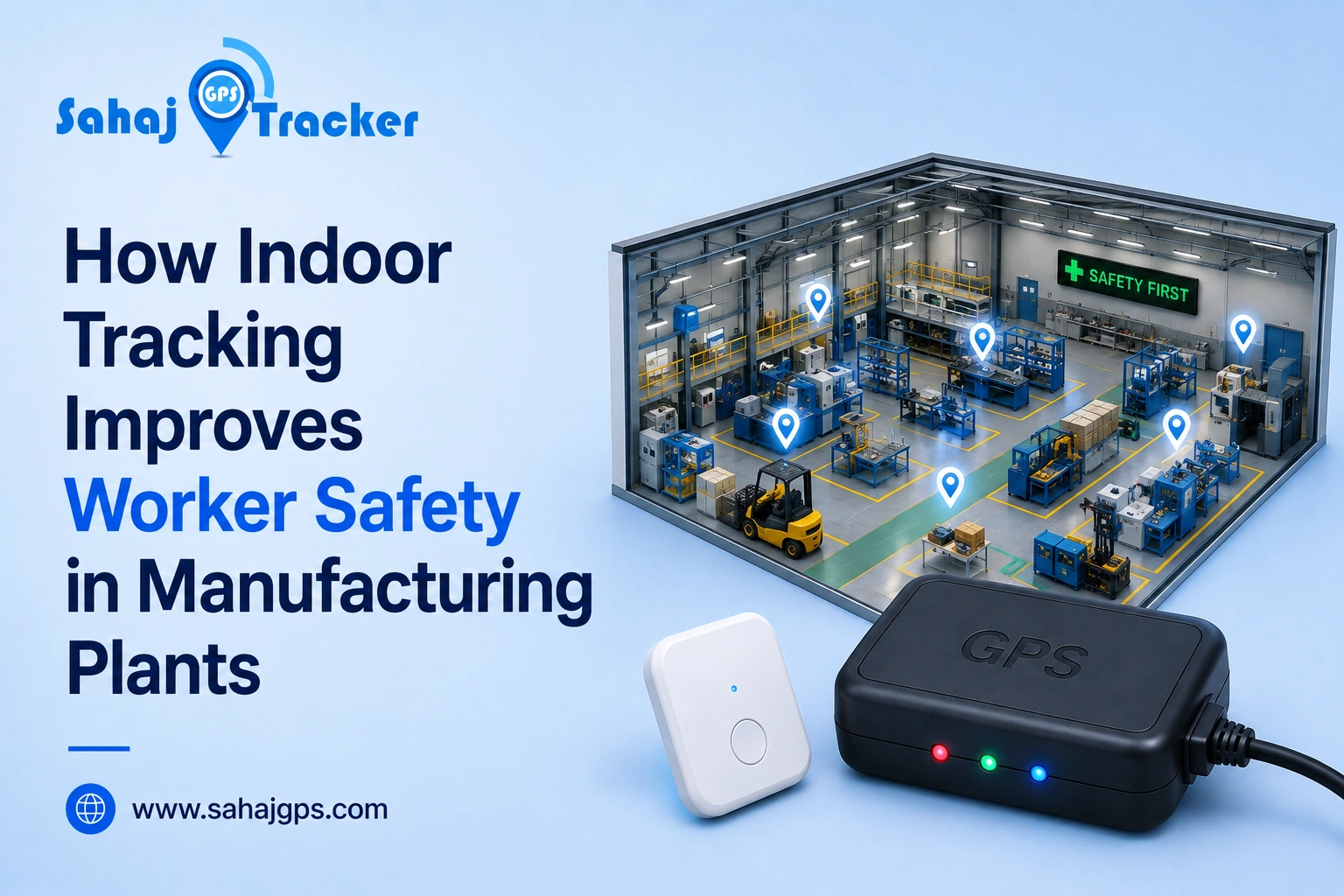
Factories have changed a lot over the past few years. Machines have become smarter, production lines move faster, and teams often work across large facilities that never really slow down. But one thing hasn’t changed—people are still the most valuable part of any manufacturing plant.
That’s why an indoor tracking system is becoming an important safety tool rather than just another piece of technology. Knowing where workers are inside a facility helps companies respond faster during emergencies, reduce workplace risks, and create a safer environment without interrupting daily operations.
Why Worker Safety Needs More Than Traditional Monitoring
Most manufacturing plants already have CCTV cameras, access control systems, and safety protocols. They all help, but they don’t always provide the complete picture. Cameras can have blind spots, and supervisors can’t be everywhere at once. If a worker enters a restricted area or an emergency happens in a noisy production zone, valuable time can be lost trying to locate them.
This is where Indoor Employee Tracking makes a noticeable difference. Instead of guessing where someone might be, supervisors can view their approximate location in real time. During an emergency, those few saved minutes can make rescue efforts much quicker. Honestly, that’s something every manufacturing facility should think about before an incident happens instead of after.
How an Indoor Tracking System Makes Manufacturing Plants Safer
A modern Indoor Tracking System continuously monitors worker locations inside the factory using technologies such as Bluetooth, Wi-Fi, Ultra-Wideband (UWB), or other indoor positioning methods. Unlike GPS, which performs poorly inside buildings, these systems are designed specifically for enclosed industrial environments.
For manufacturing companies, this means supervisors know where employees are working without relying on constant radio communication. Whether someone is in the assembly section, warehouse, maintenance area, or loading zone, their location remains visible to authorised personnel. The result isn’t employee surveillance for the sake of it—it’s faster decision-making when safety matters most.
Many manufacturers are now investing in Best Indoor Tracking Software because it combines live visibility with safety alerts, helping reduce response time during workplace incidents.
Faster Emergency Response During Workplace Incidents
Every factory manager hopes emergencies never happen. Still, equipment failures, chemical leaks, electrical hazards, and accidental injuries remain part of industrial operations. When something goes wrong, finding the affected worker quickly becomes the first priority.
With Indoor Employee Tracking, emergency response teams can identify the worker’s location almost immediately instead of searching across multiple production areas. Even in large manufacturing plants where hundreds of employees work across different sections, location data helps rescue teams move directly to the right place.
I’ve spoken with plant supervisors before who mentioned that locating someone inside a busy factory can sometimes take longer than people expect. Large machines, storage racks, and multiple production halls make navigation surprisingly difficult. A live location system removes much of that uncertainty.
Preventing Entry into Hazardous Zones
Manufacturing facilities usually have restricted areas where only trained employees should enter. High-voltage rooms, heavy machinery sections, chemical storage areas, and maintenance zones all require controlled access.
An indoor tracking platform can create virtual safety boundaries similar to digital work zones. Whenever a worker enters a restricted area without authorisation, supervisors receive instant alerts. Instead of discovering the issue later, they can respond immediately and prevent a potentially dangerous situation.
This is one of the biggest benefits of indoor tracking system technology. It doesn’t just react to accidents—it helps prevent them before they happen.
Many industrial businesses have started implementing Sahaj GPS because these proactive safety features support both worker protection and operational efficiency without making everyday workflows more complicated.
Better Visibility Improves Everyday Safety
Safety isn’t only about handling emergencies. It’s also about reducing the small risks that quietly build up over time. Workers move between production lines, warehouses, maintenance areas, and dispatch sections throughout the day. Without proper visibility, supervisors may struggle to know whether teams are following safe work procedures or spending unnecessary time in higher-risk zones.
Real-time indoor location tracking helps managers understand movement patterns across the facility. Over time, this information highlights crowded pathways, frequently visited hazardous locations, and areas where additional safety measures may be needed. Sometimes the data reveals issues nobody noticed before, which is probably one of the biggest advantages of adopting smarter workplace safety technology.
Indoor Tracking Supports Compliance and Safety Audits
Manufacturing companies are expected to follow strict workplace safety regulations, and proving compliance can sometimes be just as challenging as maintaining it. An indoor tracking platform automatically records movement history, helping safety managers review where employees worked, how long they remained in specific areas, and whether restricted zones were accessed without permission.
These records become useful during internal audits, safety inspections, and incident investigations. Instead of relying only on written reports or memory—which, let’s be honest, isn’t always perfect—management has reliable data to review. This improves accountability while making future safety planning much easier.
Protecting Lone Workers and Maintenance Teams
Not every employee works on a busy production line. Maintenance engineers, electricians, and inspection teams often work alone in isolated sections of a factory. If someone slips, becomes unconscious, or faces equipment failure, getting help quickly can be difficult.
This is where Indoor Employee Tracking becomes even more valuable. Supervisors can identify the worker’s last known location and respond much faster. Some advanced systems even generate alerts if a worker remains inactive for an unusual amount of time, allowing safety teams to investigate before the situation becomes serious.
Solutions like Sahaj GPS help manufacturers improve visibility for these high-risk roles while ensuring workers receive support whenever they need it.
Improving Productivity Without Compromising Safety
Some employees worry that tracking systems exist only to monitor performance. In reality, well-designed indoor tracking focuses more on improving workplace safety and operational efficiency than constant supervision.
Managers can identify bottlenecks, reduce unnecessary walking between departments, optimise workflows, and improve shift planning based on actual movement patterns. When workers spend less time searching for equipment or travelling across large facilities, productivity naturally improves while physical fatigue decreases.
This balance between safety and efficiency is why many businesses now consider indoor location technology an investment rather than an expense. A safer workplace often becomes a more productive one too.
Choosing the Best Indoor Tracking Software
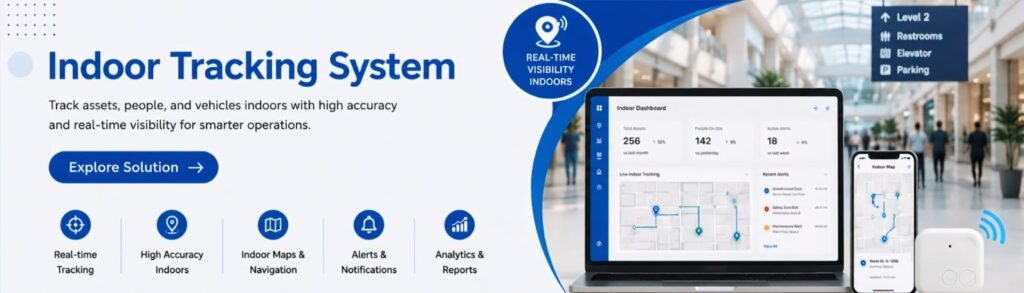
Not every tracking solution offers the same level of accuracy or reliability. When comparing the best indoor tracking software, manufacturers should look for real-time location updates, easy dashboard access, custom safety alerts, restricted zone monitoring, reporting tools, scalability, and seamless integration with existing factory systems.
If the facility is spread across multiple buildings, choosing software that supports expansion is equally important. Many manufacturers also prefer platforms like Sahaj GPS because they combine user-friendly monitoring with practical safety features that fit day-to-day industrial operations instead of adding unnecessary complexity.
Modern manufacturing plants are becoming smarter every year, but technology should always serve one purpose first—keeping people safe. An indoor tracking system gives businesses better visibility, quicker emergency response, and stronger workplace safety without disrupting daily operations.
When workers know help can reach them faster and managers have the information they need at the right moment, the entire workplace feels more prepared. Sometimes the biggest improvement isn’t adding more machines—it’s simply making sure every person goes home safely at the end of the day.
FAQs
1. What is an Indoor Tracking System in manufacturing?
An Indoor Tracking System helps monitor employee locations inside a factory using indoor positioning technology. It improves visibility, speeds up emergency response, and supports safer movement across production areas without relying on GPS.
2. How does Indoor Employee Tracking improve worker safety?
Indoor Employee Tracking helps supervisors locate workers quickly during emergencies, monitor restricted areas, and respond faster to accidents. It reduces search time and improves overall workplace safety in manufacturing plants.
3. What are the benefits of an Indoor Tracking System?
The Benefits of Indoor Tracking System include faster emergency response, better worker visibility, improved compliance, safer restricted-zone monitoring, streamlined operations, and valuable movement data for enhancing factory safety.
4. Which industries benefit the most from indoor tracking?
Industries such as manufacturing, automotive, pharmaceuticals, warehouses, logistics, mining, and heavy engineering benefit the most because they operate across large indoor facilities where worker visibility is essential.
5. What should businesses look for in the Best Indoor Tracking Software?
The Best Indoor Tracking Software should offer real-time location tracking, accurate indoor positioning, instant alerts, reporting, restricted-zone monitoring, easy integration, and a simple dashboard to improve both worker safety and operational efficiency.