
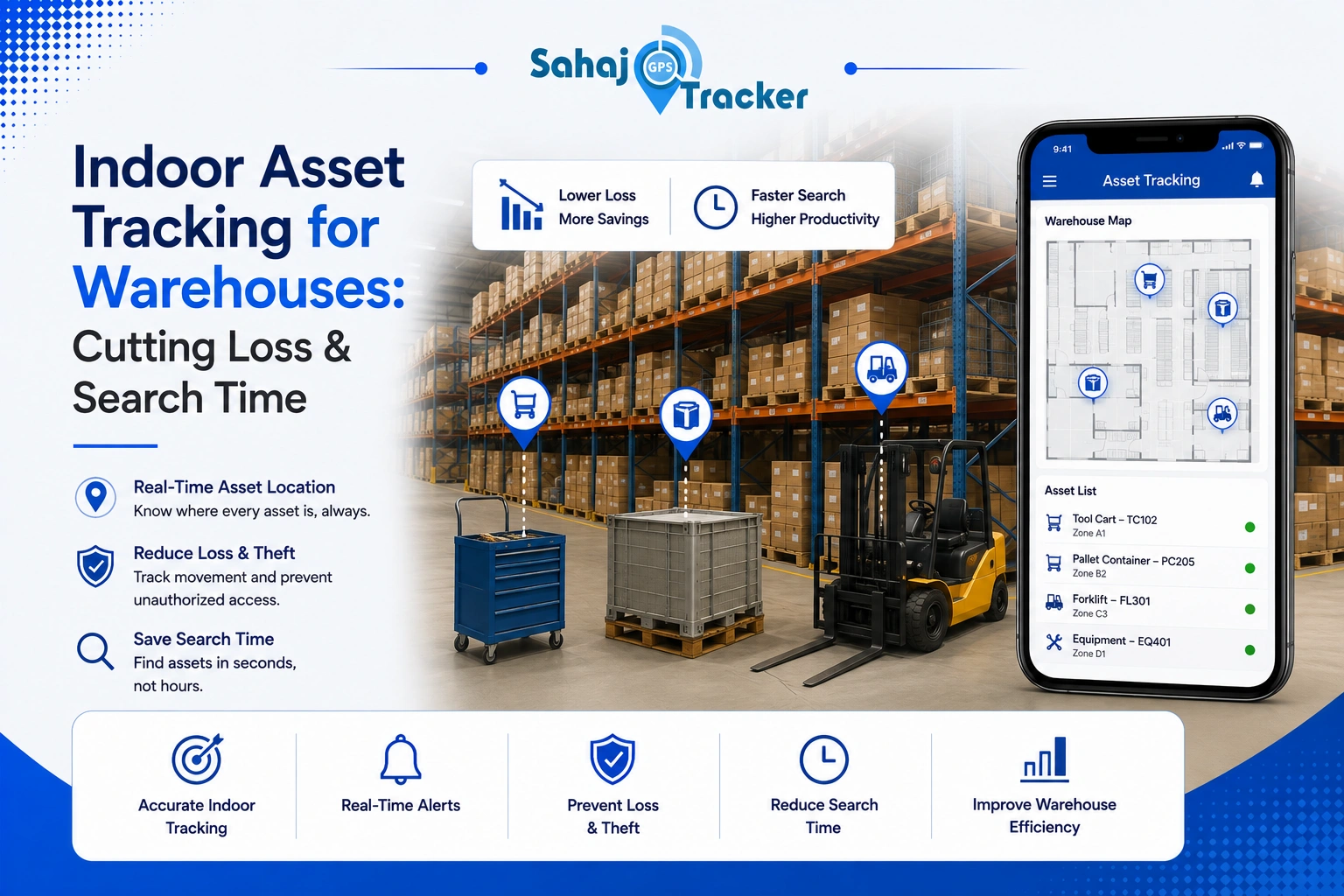
If you’ve ever walked through a busy warehouse looking for one missing pallet, scanner, trolley, or expensive piece of equipment, you already know how quickly a “two-minute search” turns into half an hour. Someone says it was in Aisle 4. Another person remembers seeing it near dispatch. Eventually, three employees are searching for the same item while regular work quietly slows down. It’s a common situation, honestly.
That’s why Indoor asset tracking for warehouses has become much more than a technology upgrade. Businesses now want instant visibility into where assets actually are instead of depending on memory or manual records.
Indoor Asset Tracking for Warehouses Improves Daily Operations
Warehouses are becoming larger every year, and inventory moves faster than ever before. Products arrive, equipment shifts between departments, forklifts carry materials across different storage zones, and employees constantly relocate tools to complete daily tasks. Keeping track of everything manually becomes almost impossible after a certain point.
Many businesses still depend on spreadsheets, barcode scans, or verbal updates to locate equipment. Those methods may work when operations are small, but as inventory increases, misplaced assets become surprisingly common. The result is unnecessary search time, delayed shipments, duplicate purchases, and reduced productivity.
An effective indoor tracking system changes this completely. Instead of asking multiple employees where an item might be, managers can identify its location within seconds using a central dashboard. That simple improvement saves time every single day while making warehouse operations much smoother.
Why Warehouses Lose More Time Than They Realise
Asset loss isn’t always caused by theft. In many warehouses, equipment simply gets placed somewhere unexpected and forgotten. A barcode scanner remains on another shift, a pallet jack is left near the loading dock, or maintenance tools stay inside a storage area after repairs are completed.
Individually these situations seem minor. Together, however, they create hours of lost productivity every week. Employees stop their work to search for missing equipment, supervisors interrupt operations to help locate assets, and deliveries may even be delayed because the required tools aren’t immediately available.
This is where a real-time location tracking system becomes incredibly valuable. Instead of relying on assumptions, warehouse teams know exactly where assets are located at any given moment, reducing unnecessary delays before they affect operations.
How Indoor Tracking Software Creates Better Asset Visibility
One of the biggest advantages of modern Indoor tracking software is continuous visibility. Rather than waiting until equipment disappears, businesses can monitor asset movement throughout the facility as work happens.
For example, if a handheld scanner is moved from receiving to packaging, the system updates its location automatically. If specialised equipment is transferred to another warehouse zone, managers can locate it instantly instead of sending employees to search multiple storage areas.
Businesses using Sahaj GPS often discover that improved visibility doesn’t just reduce search time. It also improves planning because warehouse supervisors know which assets are available before assigning new tasks. Small improvements like these gradually increase productivity across the entire warehouse.
Searching Less Means Working More
Think about how many small interruptions happen during a normal warehouse shift. Someone needs a barcode scanner. Another employee is looking for a pallet trolley. Maintenance requests a specialised inspection tool. None of these searches seem particularly important by themselves.
The problem appears when dozens of these interruptions happen every day.
Even saving five or ten minutes per search quickly adds up across multiple shifts. Employees spend more time loading vehicles, processing orders, managing inventory, and completing customer shipments instead of walking through warehouse aisles looking for equipment that should already be easy to find.
Real-Time Asset Tracking Supports Faster Order Fulfilment
Customers expect faster deliveries than ever before. Whether supplying retailers, manufacturers, distributors, or e-commerce businesses, warehouses cannot afford unnecessary delays caused by misplaced equipment or missing inventory.
A modern asset tracking software provides accurate asset visibility throughout warehouse operations, helping employees locate equipment immediately whenever it’s needed. Order picking becomes faster, loading processes become smoother, and dispatch schedules remain more consistent because essential tools are always visible.
Many warehouse operators using Sahaj GPS notice improvements in overall workflow simply because employees stop wasting valuable time searching for everyday assets. Faster access to equipment leads to faster order processing, which naturally improves customer satisfaction as well.
Reducing Asset Loss Without Increasing Manual Work
Every warehouse experiences some level of asset loss over time. Sometimes equipment is misplaced between departments. Sometimes reusable containers remain in the wrong storage zone. Occasionally, valuable tools are unintentionally moved with outgoing shipments.
Traditional tracking methods usually identify these problems only after someone notices an item is missing. By then, finding it becomes much more difficult.
With a reliable indoor tracking solution, businesses receive continuous asset visibility throughout warehouse operations. Managers can review movement history, verify the last recorded location, and identify unusual asset movement much earlier. Instead of investigating missing equipment days later, they can respond almost immediately, reducing both replacement costs and operational disruption.
Improving Warehouse Productivity Through Better Asset Management
A warehouse performs at its best when employees have immediate access to the equipment they need. Every unnecessary search slows down receiving, inventory checks, order picking, packaging, and dispatch. While one employee searches for a missing scanner or pallet jack, another task is already waiting.
An organised indoor tracking system helps eliminate these interruptions by providing complete asset visibility across the warehouse. Instead of depending on memory or handwritten records, employees can locate equipment through a central platform within seconds. Over time, these small improvements create noticeable gains in warehouse productivity because staff spend more time handling inventory and less time searching for misplaced assets.
Choosing the Right Asset Tracking Software
Not every tracking platform offers the same experience. Warehouses should look for solutions that provide accurate indoor positioning, simple dashboards, reliable reporting, and the ability to monitor different types of equipment without making daily work more complicated.
A good asset tracking software should also grow alongside the business. As warehouse operations expand, new storage areas, additional assets, and larger workforces should be easy to manage without replacing the entire system. Flexibility matters because warehouse requirements rarely stay the same for long.
Many businesses choose Sahaj GPS because the platform combines reliable indoor visibility with practical reporting features that help managers monitor assets, improve workflow, and reduce unnecessary operational delays.
Why Real-Time Visibility Matters More Than Ever
Warehouses today move inventory much faster than they did a few years ago. Customer expectations have increased, delivery schedules are tighter, and businesses cannot afford delays caused by missing equipment or poor inventory visibility.
A real-time location tracking system allows supervisors to know exactly where important assets are throughout the day. Whether it’s a forklift, barcode scanner, trolley, pallet, or specialised maintenance equipment, live visibility removes the guesswork from warehouse operations. Employees complete tasks more confidently because they know required tools can be located immediately instead of searching across multiple storage zones.
For warehouses handling thousands of products every day, even saving a few minutes on repeated searches can create significant operational improvements over an entire month.
Common Mistakes Warehouses Should Avoid
Technology alone cannot solve warehouse problems if it isn’t implemented properly. One common mistake is tracking only expensive assets while ignoring frequently used equipment such as handheld scanners, pallets, and material handling tools. These smaller assets often consume the most search time because they move constantly throughout the facility.
Another mistake is failing to review movement reports regularly. Tracking data becomes valuable only when managers analyse it to identify repeated delays, equipment bottlenecks, or storage areas where assets are frequently misplaced.
Employee training also matters. Warehouse staff should understand how assets are tracked and why maintaining proper equipment movement improves operations for everyone. When employees actively support the tracking process, the system delivers much stronger long-term results.
Building a Smarter Warehouse for the Future
Warehouse operations are becoming faster, larger, and more demanding every year. Businesses that still rely entirely on manual searches and paper records often struggle to keep up as inventory volumes increase.
Indoor asset tracking provides a practical way to improve efficiency without making daily work more complicated. Employees spend less time searching, managers gain accurate operational visibility, and warehouse processes become more organised from receiving through dispatch.
Businesses using Sahaj GPS are finding that real-time asset visibility reduces unnecessary delays, improves equipment utilisation, and supports better warehouse management decisions every day. Sometimes the biggest productivity gains don’t come from hiring more people—they come from helping existing teams find exactly what they need, exactly when they need it.
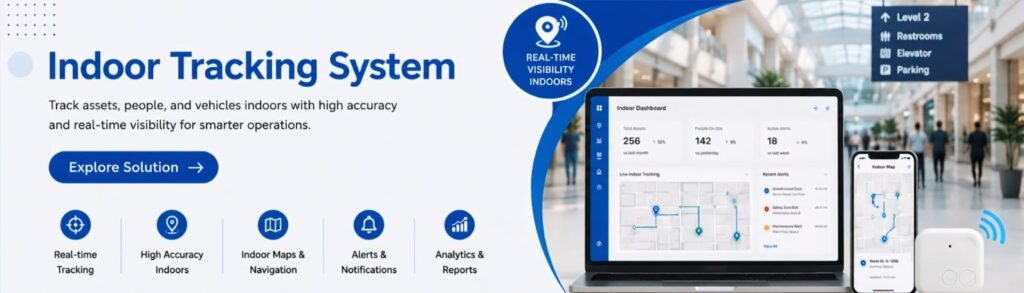
FAQs
1. What is indoor asset tracking for warehouses?
Indoor Asset Tracking for Warehouses helps businesses monitor equipment, pallets, tools, and inventory inside warehouse facilities using real-time location technology, reducing search time and improving operational efficiency.
2. How does an indoor tracking system improve warehouse operations?
An indoor tracking system provides live asset visibility, reduces time spent searching for equipment, improves inventory accuracy, supports faster order fulfilment, and increases warehouse productivity.
3. What is a real-time location tracking system?
A real-time location tracking system continuously monitors asset movement inside a warehouse, allowing managers and employees to locate equipment instantly and respond quickly to operational needs.
4. Why is asset tracking software important for warehouses?
Asset tracking software improves equipment visibility, reduces misplaced assets, lowers replacement costs, supports inventory management, and helps warehouses operate more efficiently with accurate asset information.
5. Can indoor tracking reduce warehouse losses?
Yes. Indoor tracking records asset movement, identifies the last known location of equipment, improves accountability, and helps businesses reduce misplaced assets, unnecessary purchases, and operational losses.