
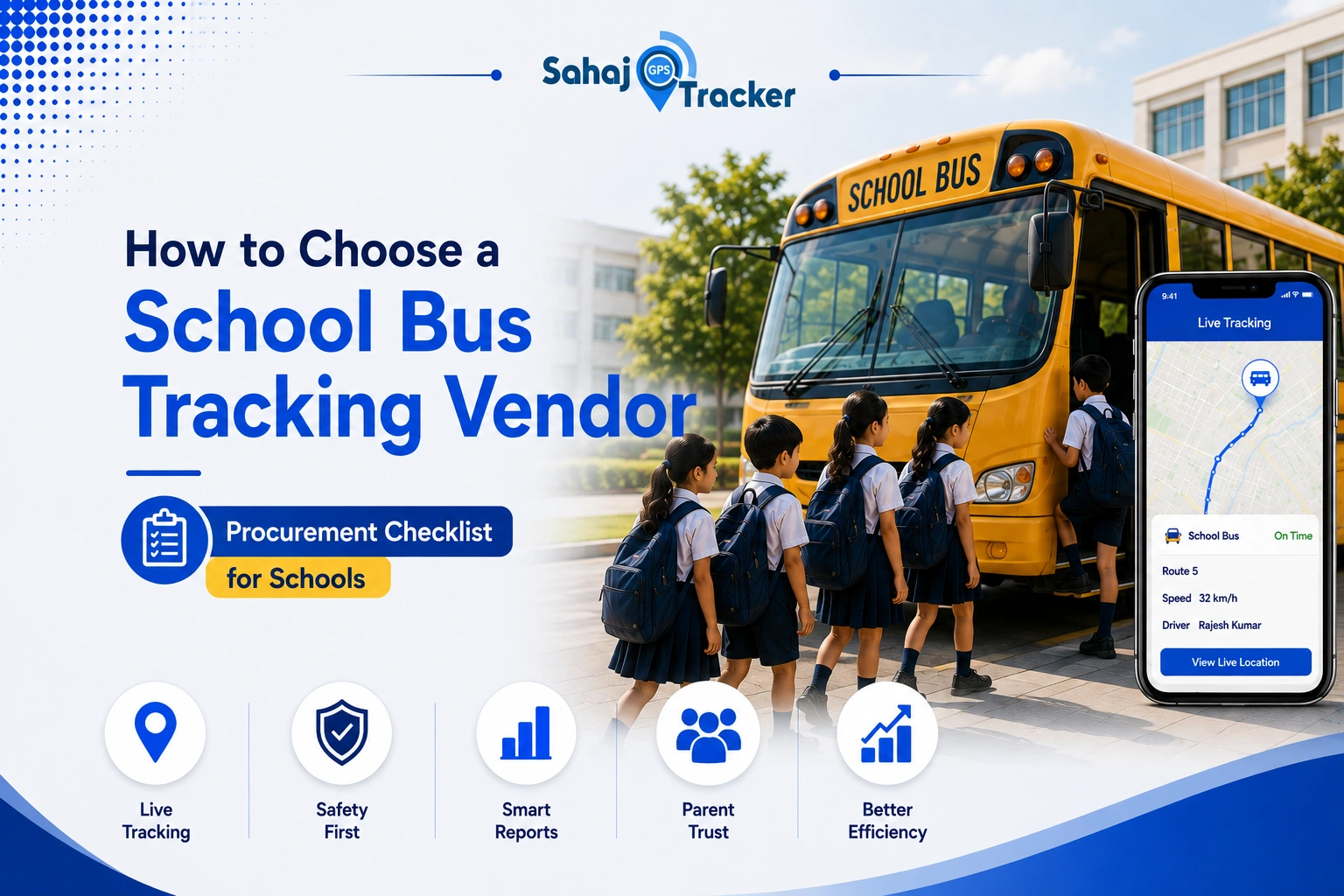
Every school wants its transportation system to be safe, reliable, and easy to manage. Parents expect timely updates, administrators want smoother operations, and transport teams need accurate information throughout the day. That’s why choosing the right school bus tracking vendor has become an important decision rather than just another technology purchase.
A dependable school bus tracking system helps improve student safety, simplifies communication, and gives schools better visibility over daily transport operations. Instead of selecting a vendor based only on cost, schools should evaluate long-term reliability, support, and overall performance before making a final decision.
Choosing the right School Bus Tracking Vendor is about much more than comparing prices or software features. The right solution helps schools improve student safety, supports smarter route planning, keeps parents informed through live school bus tracking, and makes daily transport operations easier to manage. A structured procurement checklist allows school administrators to compare vendors carefully, evaluate essential features, and invest in a solution that supports reliable transportation for years to come.
School Bus Tracking Vendor Checklist: Start with Your School’s Requirements
Every school has different transportation needs. A school operating five buses has very different requirements compared to one managing a fleet of fifty vehicles across multiple routes. Before contacting vendors, administrators should first understand their own operational challenges.
Consider questions like these. How many buses need tracking? Do parents require live location updates? Will transport managers monitor routes from a central dashboard? Does the school expect future expansion?
Answering these questions early helps schools compare vendors based on practical needs instead of being distracted by unnecessary features that may never be used.
Prioritise Student Safety Above Everything Else
Technology should never replace safety, but it should strengthen it.
A reliable vehicle tracking system for schools should provide continuous location updates, route history, emergency alerts, and accurate vehicle visibility throughout every journey. Parents feel more confident when they know where the school bus is instead of waiting without information during traffic delays or unexpected route changes.
Schools should also ask vendors how quickly location data updates, how reliable GPS accuracy remains in busy urban areas, and whether emergency notifications are available whenever required.
Many educational institutions choose Sahaj GPS because improving transport visibility helps schools strengthen communication while supporting safer student transportation every day.
Look Beyond Live Location Tracking
Live location is important, but it should never be the only feature influencing a purchasing decision.
An effective school bus tracking system should also support route history, driver monitoring, trip reports, attendance support where required, geofencing, and transport analytics. These features help administrators understand daily operations instead of simply watching moving vehicles on a map.
Schools should think long term. As transportation requirements grow, software should continue supporting additional buses, new routes, and expanding student numbers without requiring a complete system replacement.
Evaluate Parent Communication Features
Parents don’t simply want technology—they want reassurance.
One of the biggest advantages of live school bus tracking is improved communication. Instead of repeatedly calling the school office asking about delayed buses, parents receive accurate updates directly through the tracking platform.
This reduces unnecessary phone calls while helping transport staff focus on managing school operations instead of constantly answering location requests. Better communication also strengthens trust between schools and families, something that’s difficult to measure but incredibly valuable.
Many schools implementing Sahaj GPS find that parent satisfaction improves simply because transport information becomes transparent and easily accessible.
Check Software Reliability and Ease of Use
Even the most advanced tracking platform becomes frustrating if employees struggle to use it.
School administrators, transport coordinators, and drivers all interact with the system differently, so the interface should remain simple without sacrificing important functionality. During vendor demonstrations, schools should ask staff members to test the software instead of relying only on presentations.
A clean dashboard, easy report generation, straightforward mobile access, and quick navigation often save far more time than complicated systems packed with unnecessary options.
Assess Technical Support Before Signing Any Contract
Support becomes important only when something goes wrong—and that’s exactly why it deserves careful attention before making a purchase.
Ask vendors how technical issues are handled, how quickly devices can be replaced, whether installation support is included, and what happens if GPS units stop reporting unexpectedly.
Reliable customer support ensures school transportation continues operating smoothly throughout the academic year without long periods of disruption. Schools using Sahaj GPS often appreciate responsive technical assistance because transport services cannot afford unnecessary downtime during busy school schedules.
Compare Reporting and Analytics Capabilities
Good decisions come from good data. A tracking platform should provide more than a live map showing where buses are. Schools should also have access to reports that help improve transport operations over time.
Useful reports include trip history, route performance, bus utilisation, delay analysis, and driver activity. These insights help administrators identify recurring problems, optimise routes, and make informed transport decisions instead of relying on assumptions. As schools grow, detailed reporting becomes increasingly valuable because it supports better school fleet management while reducing unnecessary operational challenges.
Check Scalability for Future Growth
A procurement decision should support both current and future transportation needs. Student admissions change every year, new routes are introduced, and additional buses may be added as the school expands.
Choosing software that can easily accommodate more vehicles, users, and transport routes saves schools from replacing the entire platform later. During vendor discussions, ask whether the system can grow without major hardware upgrades or complicated software migrations.
Selecting a scalable solution protects the school’s investment and ensures transport operations remain organised for many years.
Ask for a Product Demonstration and Trial
Brochures and presentations always make software look impressive, but daily operations tell a different story. Before making a final decision, schools should request a live product demonstration and, if possible, a trial using one or two buses.
During the trial, administrators can check GPS accuracy, report generation, notification speed, mobile usability, and overall system performance. Drivers and transport coordinators should also provide feedback because they interact with the platform every day.
Many schools implementing Sahaj GPS discover during trial deployments that practical testing provides much greater confidence than simply comparing feature lists on paper.
Common Procurement Mistakes Schools Should Avoid
One of the biggest mistakes is choosing the lowest-priced vendor without evaluating long-term reliability. Initial savings may disappear quickly if software performance, customer support, or hardware quality creates daily operational problems.
Another common mistake is focusing only on live tracking while ignoring reporting, parent communication, scalability, and technical support. These features often become far more important after implementation than schools initially expect.
Schools should also avoid making purchasing decisions without involving transport coordinators. Since these teams manage transportation daily, their practical feedback often identifies operational requirements that administrators may overlook.
Making the Right Long-Term Investment
A school transportation system should do more than display bus locations. It should strengthen student safety, improve communication with parents, simplify transport management, and provide administrators with accurate operational visibility.
Choosing the right school bus tracking vendor requires careful planning, thoughtful evaluation, and a clear understanding of long-term requirements. Schools that compare vendors using a structured procurement checklist are far more likely to select a solution that continues delivering value as transportation needs evolve. Many institutions using Sahaj GPS have found that reliable tracking, easy reporting, responsive support, and practical transport management tools create a smoother experience for administrators, drivers, parents, and students alike. A careful procurement process today often prevents operational challenges tomorrow—and that’s an investment every school can appreciate.
FAQs
1. How do I choose the right school bus tracking vendor?
Compare vendors based on GPS accuracy, software reliability, reporting, customer support, scalability, parent communication features, and overall long-term value instead of selecting only the lowest-priced option.
2. Why is a school bus tracking system important?
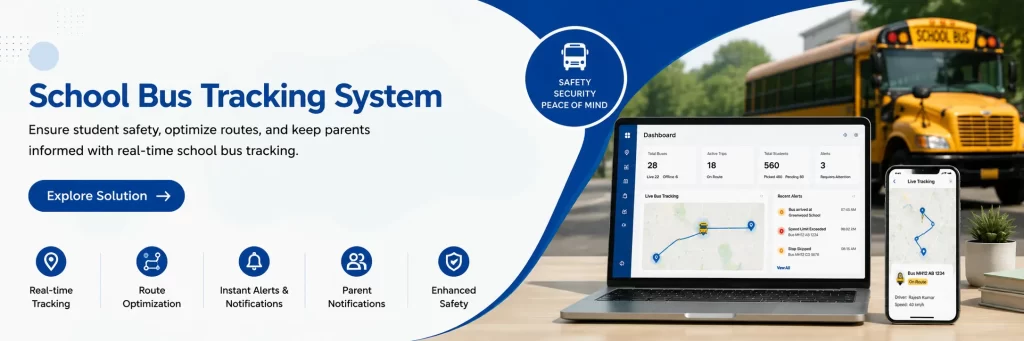
A school bus tracking system improves student safety, provides live bus visibility, helps schools manage transportation efficiently, and keeps parents informed with accurate journey updates.
3. What features should a vehicle tracking system for schools include?
A vehicle tracking system for schools should offer live GPS tracking, route history, geofencing, reporting, mobile access, alerts, and tools that simplify transport management for administrators.
4. How does live school bus tracking benefit parents?
Live school bus tracking lets parents monitor bus locations in real time, reduces uncertainty during delays, improves communication, and gives families greater confidence about student transportation.
5. Why is school fleet management important for educational institutions?
School fleet management helps schools optimise routes, monitor vehicle performance, improve operational efficiency, enhance student safety, and reduce transportation-related administrative workload.