
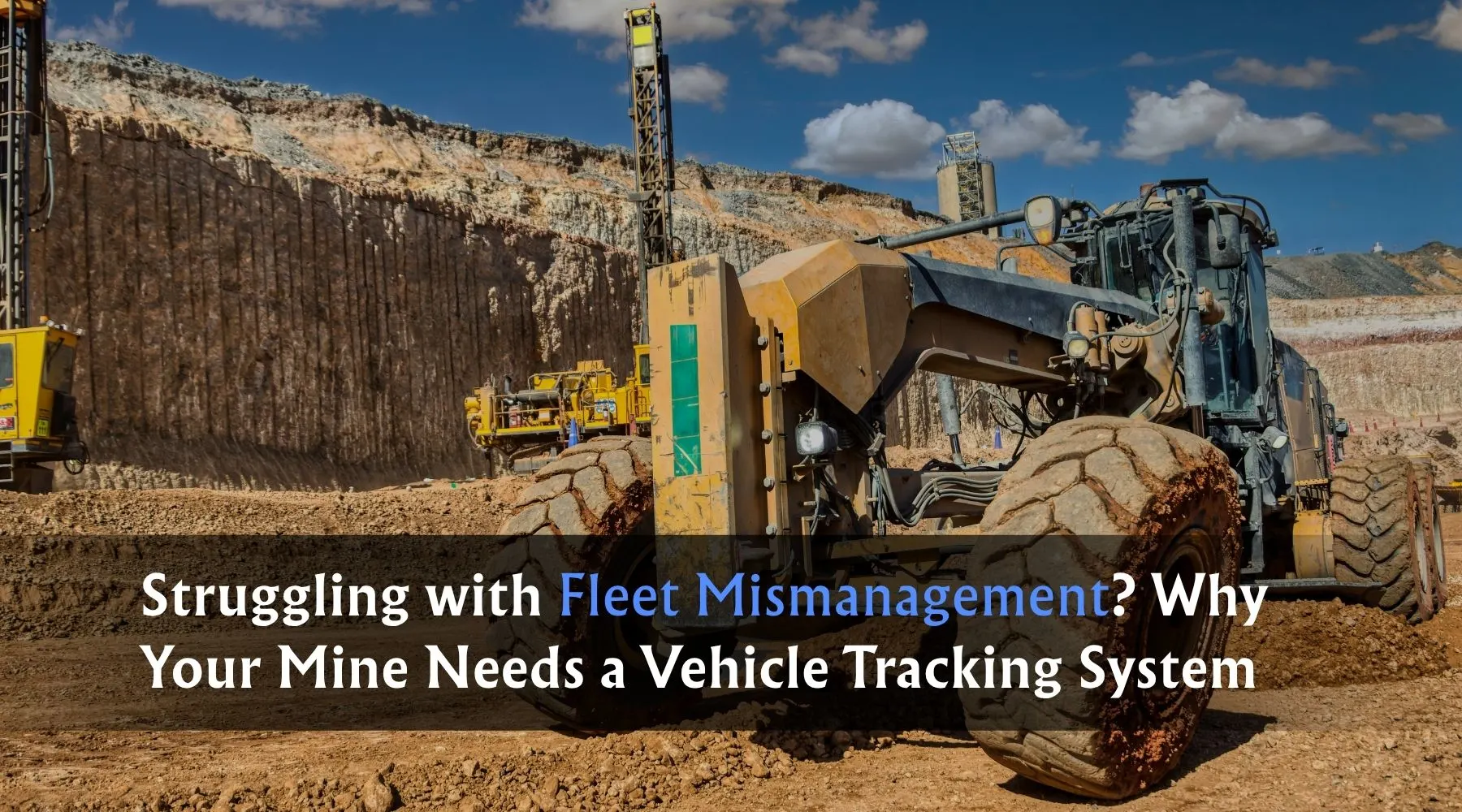
Mining operations run on precision, timing, and coordination. Yet, despite heavy investments in machinery and manpower, many mining companies continue to face one persistent challenge—fleet mismanagement. From untracked vehicle movements to rising fuel costs and delayed operations, inefficient fleet management can quietly erode productivity and profitability.
If you’re managing a mining operation and constantly dealing with operational blind spots, it may be time to rethink your approach. A vehicle tracking system for mining fleets is no longer a luxury—it has become a necessity for modern, data-driven operations.
Understanding Fleet Mismanagement in Mining
Fleet mismanagement in mining environments often goes unnoticed until it begins affecting output and costs. Unlike controlled industrial settings, mining sites are vast, remote, and dynamic. This makes it difficult to manually monitor vehicle movement, usage, and performance.
Some common signs of poor mining fleet management include:
- Lack of real-time visibility into vehicle locations
- Inefficient route planning leading to delays
- Excessive fuel consumption without clear reasons
- Increased idle time and underutilized vehicles
- Unauthorized vehicle usage or deviation from assigned routes
- Frequent breakdowns due to poor maintenance tracking
These issues not only increase operational costs but also impact safety and compliance standards.
What is a Vehicle Tracking System?
A vehicle tracking system uses GPS technology combined with telematics to provide real-time data on fleet operations. It enables mining companies to monitor, analyze, and optimize their fleet from a centralized platform.
With a robust GPS tracking system for mining vehicles, you gain access to critical data such as:
- Live vehicle location and movement history
- Speed, route, and travel patterns
- Fuel consumption and refueling data
- Engine diagnostics and maintenance alerts
- Driver behavior insights
This data transforms how decisions are made—shifting from guesswork to precision.
Why Your Mine Needs a Vehicle Tracking System
Real-Time Fleet Visibility and Control
One of the biggest challenges in mining fleet management is the lack of visibility. A real-time fleet tracking system eliminates this issue by allowing managers to track every vehicle across the site.
With improved mining fleet visibility, supervisors can coordinate operations more effectively, reduce delays, and ensure that resources are deployed where they are needed most.
Reduced Fuel Costs and Better Resource Utilization
Fuel expenses account for a significant portion of mining operational costs. Without proper monitoring, fuel misuse, theft, and inefficient driving habits can go unchecked.
A fuel monitoring system for mining fleets helps:
- Track fuel usage accurately
- Identify abnormal consumption patterns
- Reduce idling time
- Optimize routes for efficiency
By implementing a fleet optimization system, companies can significantly reduce fuel costs while improving overall performance.
Improved Safety and Compliance
Mining is inherently hazardous, and vehicle-related incidents are a major concern. A fleet safety tracking system enhances safety by monitoring driver behavior and enforcing operational protocols.
Key safety benefits include:
- Alerts for overspeeding and harsh driving
- Monitoring of driver fatigue patterns
- Emergency response through real-time location tracking
- Improved compliance with safety regulations
Adopting mining safety solutions like vehicle tracking systems helps create a safer work environment while minimizing risks.
Increased Productivity and Operational Efficiency
Delays in material transport or equipment movement can disrupt the entire mining workflow. A mining fleet management solution ensures that vehicles are utilized efficiently and tasks are completed on time.
With access to real-time data and insights, companies can:
- Reduce downtime and idle hours
- Improve dispatching efficiency
- Streamline logistics and material movement
- Enhance coordination between teams
This leads to measurable improvements in mining productivity and output
Prevention of Unauthorized Usage and Theft
Unauthorized use of vehicles and equipment is a common issue in large mining sites. A vehicle tracking system with geofencing capabilities allows managers to set predefined boundaries for vehicle movement.
If a vehicle crosses these boundaries or is used outside authorized hours, instant alerts are triggered. This helps in:
- Preventing misuse of assets
- Reducing theft risks
- Ensuring accountability
Using geofencing for mining vehicles adds a critical layer of control over your fleet.
Data-Driven Decision Making
Modern mining operations rely heavily on data. A telematics system in the mining industry provides detailed analytics and reports that help managers make informed decisions.
With mining fleet analytics, you can evaluate:
- Vehicle performance trends
- Fuel efficiency metrics
- Driver behavior patterns
- Maintenance schedules
These insights enable long-term planning and continuous improvement in operations.
Key Features to Look for in a Mining Vehicle Tracking System
When selecting a vehicle tracking system for mining fleets, it’s important to choose a solution that is tailored to the unique challenges of mining environments.
Essential features include:
- Real-time GPS tracking
- Fuel monitoring and reporting
- Geofencing and alerts
- Driver behavior analysis
- Offline tracking capability for remote areas
- Advanced reporting and analytics dashboard
- Integration with existing fleet management systems
A well-equipped fleet management solution ensures seamless operations even in the most challenging terrains.
The Business Impact of Implementing Fleet Tracking
Mining companies that adopt GPS tracking for mining vehicles often experience significant operational improvements. These include:
- Reduction in fuel costs by up to 30%
- Improved vehicle utilization rates
- Enhanced safety and compliance
- Lower maintenance and repair costs
- Increased operational transparency
More importantly, it brings control and predictability to operations that were previously difficult to manage.
Conclusion
Fleet mismanagement is not just an operational inconvenience—it is a critical issue that directly affects profitability, safety, and efficiency in mining operations. Relying on outdated methods or manual tracking can no longer support the demands of modern mining.
A vehicle tracking system for mining fleets provides the visibility, control, and intelligence needed to optimize operations. From reducing fuel costs to improving safety and productivity, the benefits are both immediate and long-term.
For mining companies aiming to stay competitive and efficient, investing in a mining fleet management solution is a strategic decision that delivers measurable results.
Frequently Asked Questions (FAQs)
1. What is the main purpose of a vehicle tracking system in mining?
The primary purpose of a vehicle tracking system for mining fleets is to provide real-time visibility into vehicle operations. It helps monitor location, fuel usage, driver behavior, and overall fleet performance, enabling better decision-making and improved efficiency.
2. How does a vehicle tracking system help reduce fuel costs in mining?
A fuel monitoring system for mining fleets tracks fuel consumption, detects inefficiencies such as excessive idling or route deviations, and helps optimize vehicle usage. This leads to significant reductions in unnecessary fuel expenses.
3. Can vehicle tracking systems work in remote mining areas?
Yes, advanced GPS tracking systems for mining vehicles are designed to function in remote and low-connectivity areas. Many systems offer offline data storage and sync data once connectivity is restored.
4. How does fleet tracking improve safety in mining operations?
A fleet safety tracking system monitors driver behavior, provides alerts for unsafe practices, and enables quick response during emergencies. This enhances overall safety and ensures compliance with mining regulations.
5. Is a vehicle tracking system suitable for small mining operations?
Yes, a mining fleet management solution can be scaled according to the size of the operation. Even small mining companies can benefit from improved visibility, reduced costs, and better resource management.