

Managing a fleet involves much more than keeping vehicles on the road. Every trip, driver, maintenance schedule, and compliance document requires constant attention. As the number of vehicles grows, administrative responsibilities increase just as quickly. Fleet managers often spend valuable time updating spreadsheets, calling drivers for location updates, tracking maintenance schedules, processing travel claims, and ensuring regulatory documents remain valid. These repetitive tasks not only consume working hours but also reduce overall productivity.
Modern fleet management software changes the way fleet operations are managed by automating these daily responsibilities. Instead of reacting to operational issues after they occur, businesses gain complete visibility into their fleet through a single platform. Solutions like Sahaj GPS help transport companies, logistics providers, and commercial fleet operators reduce manual work while improving efficiency across every stage of fleet management.
Why Fleet Administration Consumes More Time Than Most Businesses Realise
Many businesses underestimate how much time is spent on routine fleet administration until they calculate it. For a fleet managing around 20 vehicles, managers often spend several hours every day answering driver calls, updating attendance records, monitoring maintenance schedules, reconciling travel expenses, and checking compliance documents. These activities may appear small individually, but together they consume a significant portion of the working week.
Manual processes also increase the chances of human error. Missing a service schedule, approving inaccurate travel claims, or forgetting an important document renewal can lead to unnecessary expenses and operational disruptions. Instead of focusing on business growth, managers become occupied with repetitive administrative tasks that software can perform automatically.
Modern GPS fleet management software eliminates these inefficiencies by centralising fleet information, reducing paperwork, and providing instant access to operational data whenever it is required.
1. Automated Driver Attendance and Work Hour Tracking
One of the most time-consuming administrative tasks is managing driver attendance. Many organisations still depend on paper registers, WhatsApp messages, phone confirmations, or manually entered spreadsheets to record working hours. These methods often lead to disputes, inaccurate payroll calculations, and unnecessary administrative work at the end of every pay cycle.
With fleet management software, attendance is recorded automatically using GPS-based vehicle movement or mobile app check-ins. Driver login times, vehicle ignition data, and working hours are captured without manual intervention. Managers no longer need to verify attendance records individually because the software generates accurate reports automatically.
For businesses managing multiple drivers, this automation significantly reduces payroll preparation time while improving transparency. Verified attendance records also minimise disputes and create greater accountability across the workforce.
2. Smart Maintenance Scheduling Prevents Costly Breakdowns
Vehicle maintenance is another area where manual administration often creates avoidable problems. When service schedules are tracked through spreadsheets or memory, important maintenance dates are easily missed. Delayed servicing increases the risk of unexpected breakdowns, expensive repairs, delivery delays, and reduced vehicle lifespan.
Modern fleet management software continuously tracks vehicle usage and odometer readings to generate automatic maintenance reminders. Fleet managers receive alerts before servicing becomes overdue, allowing maintenance to be scheduled without disrupting operations.
Instead of reviewing maintenance records for every vehicle individually, managers can access a central dashboard displaying upcoming, completed, and overdue services. Businesses using Sahaj GPS can improve preventive maintenance planning, reduce breakdowns, and extend vehicle life while spending far less time on administrative tracking.
3. Automated Trip Records and Expense Management
Managing travel claims manually is often frustrating for both drivers and managers. Drivers submit handwritten expense forms or estimated kilometre readings, while managers spend hours verifying travel distances and calculating reimbursements. This process not only increases administrative workload but also creates opportunities for inaccurate claims and unnecessary business expenses.
Fleet management software automatically records every trip, including start time, end time, travel distance, route history, and vehicle movement. These digital trip logs are converted into accurate expense reports without requiring manual calculations or paperwork. Managers simply review automatically generated reports instead of processing each claim individually.
Automated trip management improves financial accuracy, reduces administrative effort, and creates greater trust between fleet managers and drivers because reimbursement decisions are based on verified GPS data rather than manual estimates.
4. Automated Compliance Management Keeps Fleets Audit-Ready
Managing compliance manually becomes increasingly difficult as a fleet grows. Every commercial vehicle requires multiple documents, including insurance, permits, fitness certificates, pollution certificates, and driver licence records, all of which have different renewal dates. Missing even one renewal can lead to penalties, vehicle downtime, or unnecessary operational disruptions.
Modern fleet management software simplifies compliance management by storing important documents digitally and sending automatic reminders before expiry dates. Fleet managers receive timely alerts, making it easier to schedule renewals without relying on spreadsheets or manual follow-ups. This organised approach reduces paperwork, lowers compliance risks, and ensures every vehicle remains road-ready throughout the year.
5. Real-Time Fleet Visibility Eliminates Unnecessary Status Calls
One of the biggest time-wasting activities in fleet operations is repeatedly calling drivers to check their location or delivery status. These calls interrupt drivers, consume valuable management time, and often provide only approximate information. As fleet size increases, these daily interactions quickly become a major administrative burden.
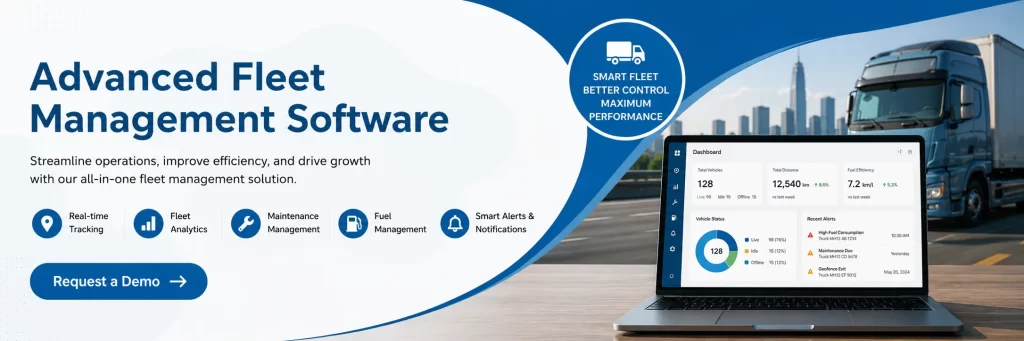
With real-time fleet tracking, every vehicle can be monitored from a single dashboard. Fleet managers can instantly view vehicle location, trip status, route progress, idle time, and estimated arrival without contacting the driver. This allows dispatch teams to respond faster, answer customer enquiries confidently, and assign nearby vehicles to urgent tasks whenever required.
Businesses using Sahaj GPS benefit from complete fleet visibility, enabling faster decision-making while significantly reducing communication delays between managers, drivers, and customers.
The Combined Impact of Fleet Automation
The real advantage of fleet management software is not just automating one process but improving the entire administrative workflow. Attendance records are generated automatically, maintenance schedules stay organised, trip reports require minimal review, compliance reminders arrive before deadlines, and vehicle locations remain visible throughout the day.
For businesses operating around 20 commercial vehicles, these automations can save approximately 15–18 hours of administrative work every week. Instead of spending valuable time updating records or chasing information, fleet managers can focus on improving operations, supporting drivers, and delivering better customer service.
Beyond time savings, automation also reduces human error, improves reporting accuracy, lowers operational costs, and creates a more organised fleet management process that supports long-term business growth.
Choosing Fleet Management Software That Delivers Real Value
Not every fleet management platform offers the same level of functionality. Businesses should look for software that combines GPS vehicle tracking, automated attendance, maintenance scheduling, trip management, compliance reminders, and detailed reporting within a single platform. Ease of use, reliable customer support, mobile accessibility, and scalable features are equally important when selecting a long-term solution.
Solutions from Sahaj GPS are designed to help Indian businesses simplify fleet administration while improving operational visibility and productivity. By combining intelligent automation with real-time fleet monitoring, businesses can reduce manual work without increasing management complexity.
Final Thoughts
Administrative work is often overlooked because it happens behind the scenes, yet it consumes a significant amount of time in every fleet-based business. Manual attendance records, maintenance tracking, travel claims, compliance monitoring, and driver status updates may appear manageable individually, but together they create unnecessary workload that limits productivity.
Investing in the right fleet management software allows businesses to automate routine processes, improve operational efficiency, reduce paperwork, and make faster decisions using real-time data. Instead of spending hours managing repetitive tasks, fleet managers can focus on business growth, customer service, and building a more efficient transport operation. As fleet operations continue to become more data-driven, automation is no longer a convenience—it is an essential tool for achieving long-term success.
FAQs
1. How does fleet management software reduce administrative work?
Fleet management software automates attendance tracking, trip records, maintenance reminders, compliance monitoring, and reporting, helping businesses reduce manual paperwork and save valuable management time.
2. How much time can fleet management software save?
For a fleet of around 20 vehicles, businesses can typically save 15–18 hours of administrative work each week by automating routine fleet management tasks and reducing manual processes.
3. Does fleet management software help with vehicle maintenance?
Yes. It automatically tracks vehicle usage and sends service reminders based on mileage or scheduled intervals, helping businesses prevent unexpected breakdowns and improve vehicle reliability.
4. Can fleet management software improve overall operational efficiency?
Absolutely. By providing real-time fleet tracking, automated reports, digital trip management, and centralised fleet data, businesses can improve productivity, reduce operating costs, and make faster operational decisions.
5. Why should businesses choose Sahaj GPS for fleet management?
Sahaj GPS provides an integrated fleet management platform with GPS tracking, automated maintenance reminders, attendance management, compliance alerts, and real-time reporting, helping businesses reduce administrative effort while improving fleet visibility and operational performance.