
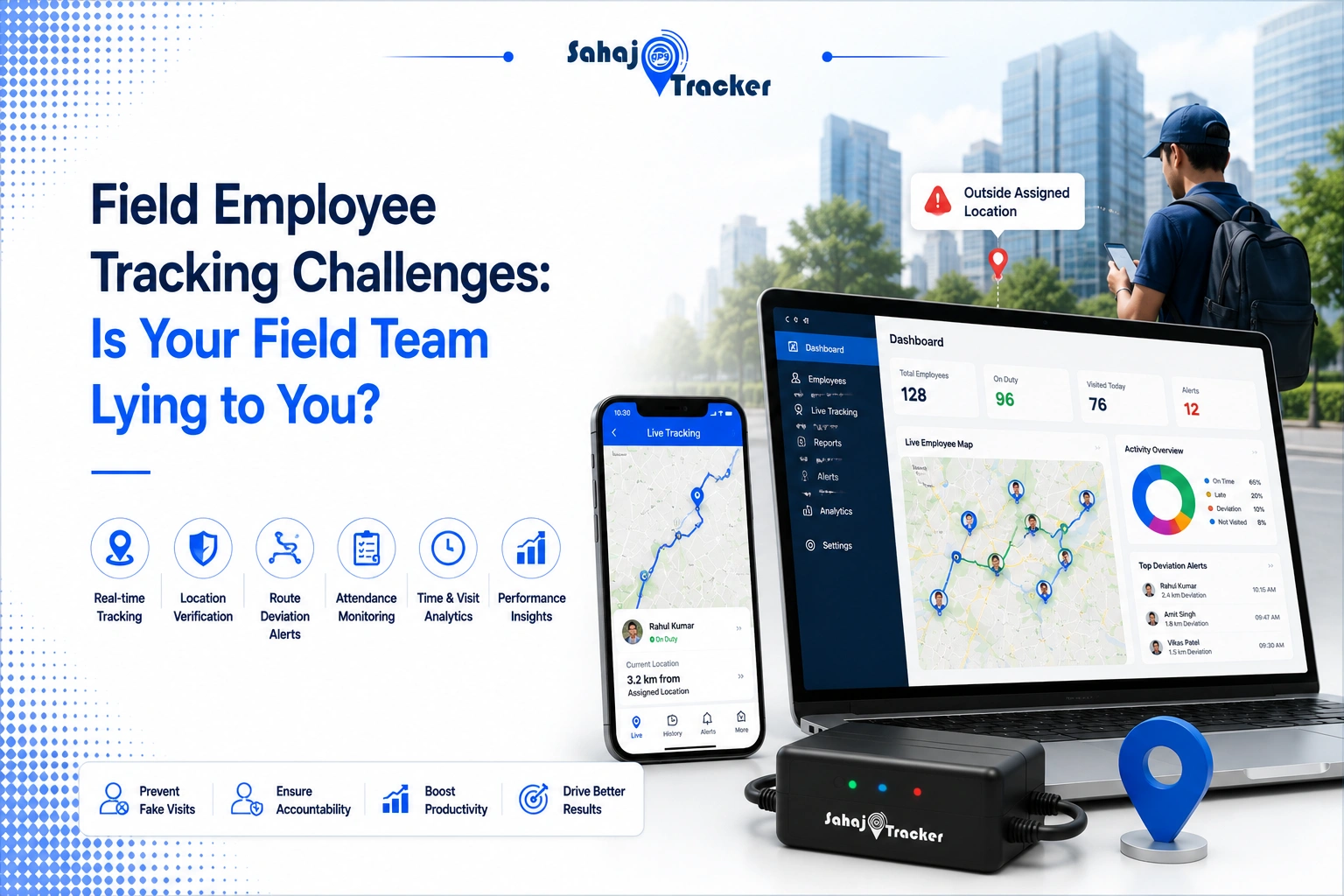
Harsh question, I know. But stick with me for a second, because if you’re managing a field team – sales reps, service engineers, delivery staff, whoever – you’ve probably felt that nagging doubt at some point. Someone’s attendance log says they were at a client site in Andheri from 11am to 1pm, but somehow their call logs and expense claims tell a slightly different story. Field employee tracking software exists precisely because this doubt isn’t paranoia. It’s honestly just… reality, in a lot of Indian field operations.
I’ve talked to enough operations managers to know this isn’t some rare edge case. It’s common. Not because people are inherently dishonest, mostly, but because unsupervised field work genuinely creates opportunities for small dishonesty to creep in slowly, almost without anyone noticing at first.
Why Field Teams End Up “Lying” Without Even Meaning To
Let’s be fair here for a second, because “lying” sounds harsh and dramatic. Sometimes it’s genuinely just rounding – someone spent 40 minutes at a site but logs an hour because that’s easier to remember. Other times it’s more deliberate – skipping a scheduled visit entirely and just marking it complete because the day got busy. Both create the same core problem though: you’re making business decisions based on data that isn’t quite real.
The Buddy Punching Problem, Field Edition
Office workers have “buddy punching” – asking a colleague to swipe their card. Field teams have their own version, sort of. Someone marks attendance from home, then heads out later, or logs a visit they never actually made because checking would be inconvenient for the manager to verify manually.
Manual Reporting Just Isn’t Reliable Anymore
Paper logs, WhatsApp updates, end-of-day phone calls – these systems rely entirely on trust and memory, both of which are, let’s be honest, imperfect. Not because your team’s uniquely dishonest, just because humans forget details, round numbers, and sometimes take shortcuts when nobody’s watching closely.
How Live Employee Tracking Actually Changes This Dynamic
Here’s where things shift meaningfully. Live employee tracking doesn’t just catch dishonesty after the fact – it genuinely changes behavior in real time, because people know visibility exists.
Real-Time Location Removes the Guesswork
Instead of wondering whether someone’s actually at a client site, you just… see it. Live, on a map, no phone call needed. This alone eliminates most of the small fudging that used to slip through unnoticed.
It’s Not About Distrust, It’s About Data
I think a lot of managers worry this feels invasive, like they’re accusing their team of something. Honestly, framed correctly, it’s less about catching people and more about having accurate operational data – knowing which routes are efficient, which visits actually happened, where time’s genuinely being spent.
Field Employee Monitoring Software – What It Actually Solves
Beyond just location, decent field employee monitoring software gives you a fuller picture of how a workday actually unfolds, not just where someone physically stood at 2pm.
Visit Duration and Pattern Recognition
If a rep claims to spend 45 minutes at every client site, but the data shows most visits clocking in around 12 minutes, that’s a pattern worth understanding – not necessarily punishing immediately, but definitely worth a conversation.
Route Efficiency Nobody Was Tracking Before
Turns out, a lot of field reps unknowingly waste hours on inefficient routes, doubling back, skipping optimal sequencing. Monitoring software surfaces this stuff, and honestly, most reps appreciate the route suggestions once they see how much time it saves them personally too.
Geofencing Technology – The Feature That Actually Stops the Guessing Games
This is genuinely the feature that closes the loop on most field tracking disputes. Geofencing for accurate field staff tracking works by creating virtual boundaries around client sites, offices, or designated work zones – attendance or check-ins only register when someone’s physically within that boundary.
No More “I Was There, I Swear” Arguments
Once geofencing technology is active, disputes about whether someone actually visited a site basically evaporate. The system either confirms presence within the zone or it doesn’t. No he-said-she-said, no ambiguity, just data.
Setting Up Zones That Actually Make Sense
Good geofencing isn’t just one giant radius around a city either – it should be tight enough around specific client locations to actually mean something. Too broad, and someone parked nearby technically “checks in” without ever walking through the door.
What Happens When Companies Actually Implement This Properly
I spoke with a distribution manager once who described the shift almost sheepishly – said within the first month of deploying proper field employee tracking software, their reported visit numbers dropped by nearly a third. Not because reps suddenly stopped working, but because inflated numbers stopped being reported once actual data existed to contradict them. Uncomfortable transition period, sure, but genuinely healthier operations afterward.
The Trust Rebuild That Follows
Interestingly, several managers mentioned that after the initial adjustment period, trust between office and field teams actually improved. Reps stopped feeling like they had to over-explain their day verbally, because the data spoke for itself. Kind of counterintuitive, but it checks out once you think about it.
Choosing the Right System for Your Field Team
Not every tracking tool handles this well, honestly. Some just show a dot on a map and call it done, without any real geofencing precision or reporting depth. This is genuinely where Sahaj GPS has built a solid reputation – combining live location, geofencing technology, and visit-pattern reporting into one dashboard rather than forcing managers to piece together data from multiple disconnected tools.
Sahaj GPS specifically focuses on accurate zone-based geofencing, which matters enormously if your field team’s success depends on genuine client visits rather than just being “somewhere in the general area.” A loosely configured geofence defeats the entire purpose, so having a provider that gets the setup right initially saves a lot of headaches down the line.
Beyond Just Catching Problems
Sahaj GPS’s approach isn’t purely about catching dishonesty either – the same data that flags a skipped visit also highlights your genuinely hardworking reps who consistently outperform their routes and schedules. That visibility cuts both ways, which honestly makes the whole system feel less punitive and more like actual operational clarity.
Is This Overkill for Smaller Teams?
Not really, no. Even a team of five or six field staff benefits from this kind of visibility, arguably more so, since smaller teams have less room to absorb inefficiencies quietly. Sahaj GPS works across varying team sizes, and honestly the ROI conversation looks similar whether you’re managing five people or fifty.
Where This Leaves You
If that nagging doubt about your field team’s reporting has been sitting in the back of your mind, it’s probably worth acting on rather than ignoring. Not out of suspicion exactly, more out of wanting actual clarity instead of guesswork. Field employee tracking software, proper geofencing, and honest visibility tend to fix this faster and more painlessly than most managers expect going in.
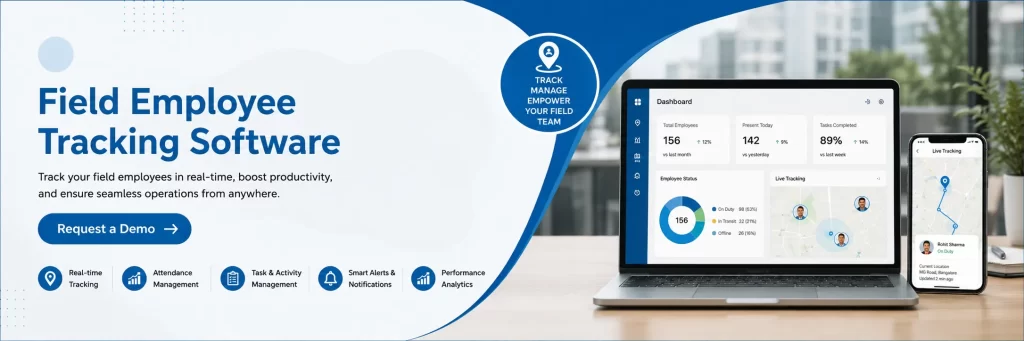
FAQs
Q1. How does geofencing improve field employee tracking accuracy?
Geofencing creates virtual boundaries around client sites, ensuring attendance only registers when employees are physically present, eliminating false or exaggerated visit claims entirely.
Q2. Does field tracking software feel invasive to employees?
Not usually, when implemented transparently. Most employees adjust quickly once they understand it’s about operational accuracy, not personal surveillance or constant micromanagement.
Q3. Can live employee tracking improve route efficiency for field teams?
Yes, it identifies inefficient travel patterns and suggests better routes, saving time for both employees and the business through smarter daily scheduling.
Q4. Is field employee monitoring software suitable for small teams too?
Absolutely, smaller teams often benefit even more, since inefficiencies and reporting gaps have less room to hide within a limited workforce.
Q5. How quickly do companies see results after implementing tracking software?
Many managers notice measurable changes in reporting accuracy within the first month, along with improved trust between field staff and office teams over time.