
Choosing an RTO approved GPS tracker in Maharashtra is not simply about buying a device that shows a vehicle on a map. Commercial and transport operators need to consider applicable regulatory requirements, device standards, vehicle category, and the type of tracking information their operation actually needs.
For businesses in Mumbai and Pune, where traffic, route changes, and large commercial fleets are common, selecting the right vehicle tracking system can make compliance and daily fleet management much easier.
What Does RTO-Approved GPS Tracker Mean?
The phrase RTO approved GPS tracker is commonly used in the market, but businesses should be careful about what a provider actually means by “approved.” Approval or compliance can depend on the vehicle category, applicable state or transport requirements, and the technical standard specified for that particular use.
For certain regulated vehicle applications in India, AIS-140 GPS tracker technology is relevant. AIS-140 is an automotive industry standard covering intelligent transportation and vehicle tracking-related requirements. However, simply purchasing a GPS device that mentions AIS-140 does not automatically mean it satisfies every requirement applicable to every commercial vehicle.
That distinction is important. Before installation, operators should confirm the current requirements for their vehicle type and the authority or permit under which the vehicle operates.
Why Vehicle Tracking Compliance Matters in Maharashtra
Maharashtra has a large commercial transport network covering Mumbai, Pune, Nashik, Nagpur, Thane, and many other areas. Commercial vehicles may operate across cities and state highways, making reliable location visibility useful for both fleet managers and regulatory processes.
A compliant vehicle tracking system can help operators maintain digital records of vehicle movement, route history, and other relevant information. It may also support operational features such as geofencing, alerts, trip reports, and real-time monitoring.
For fleet owners, the benefit goes beyond compliance. Knowing where vehicles are during working hours can make dispatching and customer communication considerably easier.
Why Mumbai Fleets Need Reliable GPS Tracking
Mumbai traffic is unpredictable. A route that normally takes thirty minutes can suddenly take twice as long.
A GPS tracking system Mumbai operators use should therefore provide dependable location updates and clear route history. Fleet managers can see whether a vehicle is moving, stopped, or taking a different route and can respond accordingly.
For logistics companies, employee transport providers, taxi operators, and other commercial fleets, this information can help improve daily coordination.
AIS-140 GPS Tracker: What Should You Check?
An AIS-140 GPS tracker should be evaluated based on the exact compliance requirement applicable to the vehicle and service.
Businesses should ask the supplier about device certification, supported communication technology, emergency-related features where applicable, installation standards, and compatibility with the required monitoring platform.Don’t stop at a product brochure. Ask for supporting documentation.
A reliable provider should be able to explain what standard the device follows and where it is applicable. If the answer is vague, that’s a warning sign worth taking seriously.
Check Certification Before Installation
The word “compliant” can be used quite loosely in online listings. A device being advertised as RTO-approved does not necessarily tell you which RTO requirement it satisfies.
Before purchasing, verify the certification or approval documentation and make sure it relates to your vehicle category and intended use.
This is especially important for fleet operators purchasing devices in bulk. Replacing dozens of trackers later can become an expensive headache.
Features to Look for in an RTO-Approved GPS Tracker
Once compliance requirements are clear, businesses should compare the actual tracking features. A useful system should provide more than basic location information.
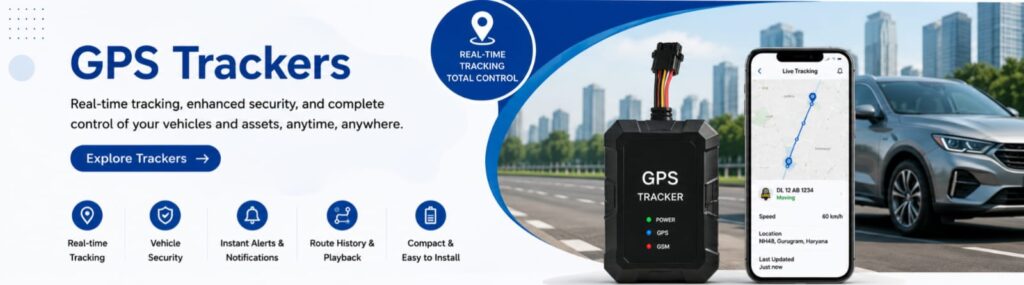
Real-time vehicle tracking, route history, geofencing, trip reports, alerts, mobile access, and fleet analytics can all be valuable. For larger commercial fleets, fuel monitoring, driver behaviour monitoring, and maintenance reminders can add another layer of control.
The right feature set depends on the business. A small fleet may not need an advanced analytics dashboard, while a logistics company managing hundreds of vehicles probably will.
Real-Time Vehicle Tracking for Mumbai and Pune Fleets
Real-time tracking helps managers understand what is happening on the road right now.For example, a Pune-based logistics company may have several vehicles travelling to different industrial areas. If one vehicle stops unexpectedly, the dispatcher can check the location before calling the driver. If another vehicle is already close to a new customer, the job may be reassigned.
These small decisions can save time throughout the day.Sahaj GPS offers tracking solutions designed to provide businesses with vehicle visibility, route monitoring, alerts, and fleet management information through a central platform.
Geofencing and Route Monitoring
Geofencing allows fleet managers to create virtual boundaries around warehouses, offices, customer sites, depots, or other important locations.
When a vehicle enters or exits a defined zone, an alert can be generated. This can be useful for monitoring vehicle arrivals and departures without requiring someone to constantly watch the map.
Route monitoring is useful too. If a vehicle regularly takes an unexpected route, managers can review the journey and understand why.A route deviation doesn’t automatically indicate a problem. Mumbai and Pune both have enough road diversions and traffic changes to make that obvious. Context matters.
GPS Tracking System Mumbai: Benefits for Commercial Fleets
A GPS tracking system Mumbai fleet operators choose should support both compliance-related requirements and everyday fleet management.
Location history can help businesses review completed trips. Driver behaviour reports can highlight speeding or harsh braking patterns. Geofencing can automate arrival alerts. Maintenance records can help prevent avoidable vehicle downtime.
When these functions are available through one platform, fleet managers spend less time switching between different systems.For growing fleets, that convenience becomes more important over time.
What Pune Fleet Owners Should Consider
Pune has a strong logistics, manufacturing, IT, and commercial transport ecosystem. Many vehicles travel between Pune, Mumbai, industrial areas, warehouses, and surrounding regions.
A dependable RTO approved GPS tracker in Maharashtra can provide better visibility across these journeys while helping operators maintain appropriate tracking records.
Fleet owners should also consider network coverage, hardware durability, installation quality, software usability, customer support, and data retention. A tracker may be technically capable, but if the dashboard is difficult to use, managers may stop checking it regularly.
How to Choose the Right Provider
Don’t select a tracking provider based only on price.Start by confirming whether the device meets the applicable technical requirement. Then evaluate the software. Can you see vehicles easily? Are reports understandable? Can you create geofences? Are alerts customisable? Does the mobile application work well?
Support is another important factor. Ask what happens if a device stops transmitting or needs replacement.Sahaj GPS can be considered by commercial fleet operators looking for GPS tracking, live vehicle visibility, route monitoring, and fleet management capabilities.
Think Beyond RTO Compliance
Compliance is important, but it shouldn’t be the only reason to install tracking.Once the system is running, businesses can use the same data to improve routes, monitor vehicle utilisation, reduce unnecessary idling, improve driver safety, and plan maintenance.
That’s where the investment starts becoming more useful. The tracker isn’t sitting there just to satisfy a requirement; it becomes part of the daily operation.
Final Checklist Before Buying
Before purchasing an RTO approved GPS tracker, Maharashtra fleet operators should confirm the applicable vehicle and regulatory requirements, verify device certification, check installation standards, and understand how tracking data will be managed.
Then look at the practical side: live tracking accuracy, route history, geofencing, alerts, reporting, mobile access, support, and scalability.
Sahaj GPS provides fleet tracking technology that can help businesses combine real-time vehicle visibility with operational monitoring.
For operators in Mumbai and Pune, the best approach is simple: verify the compliance requirement first, then choose a tracking system that also makes everyday fleet management easier. After all, a device that ticks a regulatory box but creates headaches for the operations team isn’t much of a solution.
FAQs
1. What is an RTO-approved GPS tracker?
An RTO-approved GPS tracker generally refers to a tracking device that meets the applicable requirements for a particular vehicle category or transport use. Operators should verify current requirements and supporting certification before installation.
2. Is an AIS-140 GPS tracker required for every commercial vehicle?
Not necessarily. Requirements depend on the vehicle category, applicable regulations, permits, and transport authority requirements. Fleet owners should confirm whether AIS-140 applies to their specific vehicle before purchasing a device.
3. How can GPS tracking help Mumbai and Pune fleet operators?
GPS tracking provides vehicle location, route history, alerts, and fleet visibility. These features can help operators manage traffic-related delays, monitor routes, improve dispatching, and maintain better control over commercial vehicles.
4. What should I check before buying an RTO-approved GPS tracker?
Check the applicable regulatory requirement, device certification, hardware specifications, installation process, tracking accuracy, reporting, alerts, software usability, support, and whether the system can scale with your fleet.
5. Can an RTO GPS tracker also help with fleet management?
Yes. A suitable tracking platform can provide operational benefits beyond compliance, including live tracking, geofencing, route monitoring, driver behaviour insights, vehicle utilisation data, maintenance reminders, and fleet reports.