
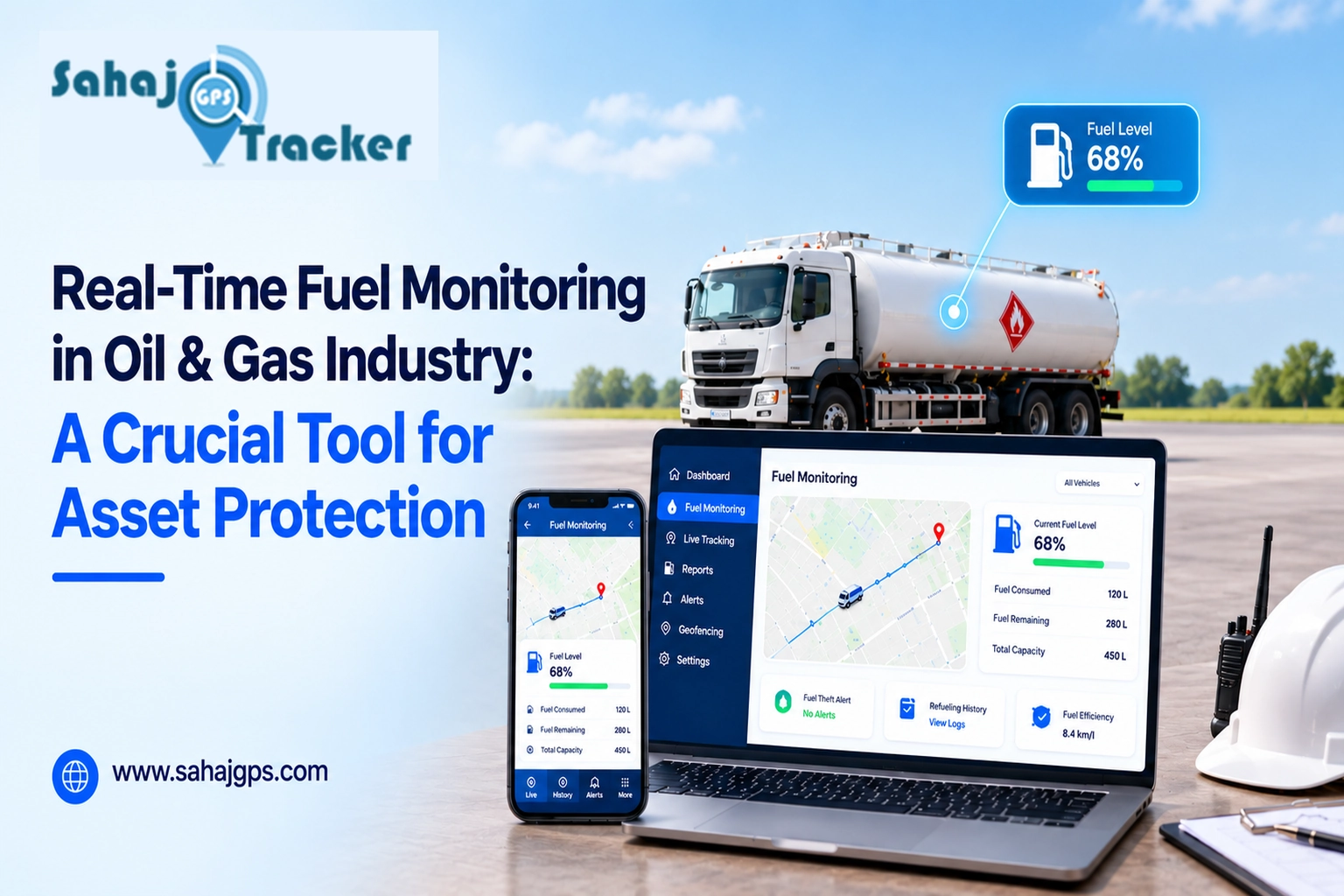
The oil and gas industry depends heavily on fuel-powered vehicles, generators, heavy machinery, storage equipment, and transportation fleets. With operations often spread across large and remote locations, keeping track of fuel usage can become a serious challenge. Fuel is one of the most valuable operational resources, and even a small amount of unexplained loss can become a significant financial burden over time.
This is why real-time fuel monitoring has become an important part of modern asset management. Traditional methods of checking fuel levels often depend on manual inspections, periodic measurements, or assumptions based on vehicle usage. These methods can make it difficult to identify exactly when fuel is consumed, drained, transferred, or lost.
A technology-driven approach provides businesses with greater visibility and allows them to respond to unusual fuel activity much faster. A reliable fuel monitoring software solution can help oil and gas companies understand fuel consumption in real time while improving control over valuable assets.
Why Fuel Monitoring Matters in the Oil & Gas Industry
Fuel management in oil and gas operations involves more than simply knowing how much fuel is available. Companies need to understand consumption patterns, identify unexpected changes, control unnecessary usage, and protect fuel from unauthorized removal. Vehicles and equipment may operate continuously across different locations, making manual supervision difficult.
Fuel losses can occur because of inefficient driving, excessive idling, unauthorized fuel usage, inaccurate reporting, leakage, or deliberate theft. Without real-time visibility, identifying the actual reason behind a loss can take considerable time. By the time an issue is discovered, the financial impact may already be substantial.
Real-Time Fuel Level Monitoring provides continuous visibility into fuel levels and helps organizations understand what is happening inside tanks and fuel-powered assets. This information can make fuel management more transparent and allow operational teams to investigate unusual activity quickly.
How Real-Time Fuel Level Monitoring Protects Assets
Real-Time Fuel Level Monitoring works by providing timely information about changes in fuel levels. When fuel is consumed normally during vehicle or equipment operation, the system can record the change. When the fuel level drops unexpectedly, the change can be investigated based on the available operational information.
This becomes particularly useful for fleets operating in remote oil fields, transportation corridors, warehouses, construction zones, and industrial facilities. Managers do not always have to be physically present at every location to understand fuel activity. Instead, they can access relevant information remotely and monitor multiple assets through a centralized platform.
Sahaj GPS helps businesses use connected monitoring technology to gain better visibility into fuel usage and vehicle operations. When fuel data is available alongside location and operational information, organizations can make more informed decisions about their assets.
Detecting Unusual Fuel Drain Events
Unexpected fuel reduction is one of the biggest concerns for businesses operating fuel-intensive assets. A sudden decrease in fuel level while a vehicle or machine is stationary can be particularly important because it may indicate unauthorized draining or another operational issue.
A fuel drain alert system can help notify authorized personnel when a potentially abnormal fuel-level drop occurs. Instead of relying on periodic checks, teams can receive information closer to the time of the event. This can reduce the time between detecting a problem and taking appropriate action.
The value of an alert depends on how intelligently it is configured. Normal fuel consumption, refueling, and operational conditions need to be considered so that businesses can distinguish legitimate changes from suspicious events.
Fuel Theft Control Through Technology
Fuel theft can affect profitability while also making fleet performance difficult to measure accurately. In large-scale oil and gas operations, even repeated small losses can add up to a substantial amount over a long period.
A fuel theft control system gives businesses a technology-based way to monitor fuel-related activity and investigate suspicious patterns. When an unexpected fuel drop is detected, managers can examine relevant vehicle information, location data, timing, and operational conditions to understand what may have happened.
This creates a stronger control mechanism than relying solely on manual records. It also helps establish accountability because fuel-related events can be connected with specific assets and operating periods.
Sahaj GPS enables organizations to bring greater transparency to fuel and fleet operations, helping managers focus on actual data rather than estimates. This can be especially valuable when managing vehicles and equipment across multiple operational sites.
Improving Fuel Consumption Monitoring
Fuel efficiency has a direct impact on operational costs. However, improving efficiency requires accurate information about how fuel is being used. A fuel consumption monitoring system can help businesses analyze consumption trends and identify areas where fuel usage appears higher than expected.
For example, excessive idling can consume fuel without generating productive movement. Aggressive driving, inefficient routes, poor maintenance, or excessive vehicle utilization can also contribute to higher consumption. By studying fuel data alongside vehicle activity, managers can identify operational patterns that deserve attention.
This information can support better fleet planning and driver management. Instead of making decisions based on average fuel figures, organizations can evaluate actual consumption and compare it with expected operational requirements.
Connecting Fuel Data With Fleet Operations
Fuel information becomes more useful when it is considered alongside other fleet data. Knowing that a vehicle consumed a certain amount of fuel is useful, but understanding where it traveled, how long it remained active, and when fuel levels changed can provide much deeper insight.
A modern fuel monitoring software platform can help bring these different data points together. This makes it easier for fleet managers to identify unusual consumption, review asset activity, and understand the relationship between fuel usage and daily operations.
For oil and gas companies, this integrated approach can support more effective asset protection because fuel management becomes part of overall fleet visibility rather than a separate administrative task.
Reducing Operational Waste and Improving Accountability
Fuel monitoring is not only about preventing theft. It can also help identify operational waste. If certain vehicles consistently consume more fuel than comparable assets, managers can investigate possible reasons. The issue may involve maintenance, driving practices, route selection, excessive idling, or vehicle utilization.
Real-time information can also encourage greater accountability among teams responsible for vehicles and equipment. When fuel activity is measurable and traceable, unusual patterns are easier to identify and discuss.
Sahaj GPS supports this broader approach to fleet and fuel management by giving businesses greater visibility into asset activity. With better information, managers can take action based on measurable patterns instead of waiting for end-of-month reports or physical inspections.
Why Real-Time Monitoring Is the Future of Fuel Management
The scale and complexity of oil and gas operations make real-time visibility increasingly important. Manual monitoring may still have a role in operational processes, but it cannot provide continuous oversight across every vehicle, machine, and remote location.
Real-time monitoring allows organizations to move from reactive management to proactive asset protection. Instead of discovering a fuel discrepancy after several days, managers can potentially identify unusual activity closer to when it occurs. This difference can significantly improve the ability to investigate problems and protect valuable resources.
A well-designed fuel monitoring system can therefore contribute to better cost control, improved operational efficiency, stronger accountability, and more effective asset management.
Conclusion
Fuel is a critical resource in the oil and gas industry, and controlling its consumption and preventing unnecessary losses should be an important part of fleet management. Real-time technology provides businesses with the visibility required to understand fuel levels, consumption patterns, unexpected drains, and potential theft.
From real-time fuel level monitoring to a fuel drain alert system and a fuel theft control system, modern monitoring capabilities can help organizations protect valuable fuel resources while improving operational efficiency. A fuel consumption monitoring system can further help businesses identify waste and make better decisions about fleet utilization.
Sahaj GPS provides a technology-driven approach that can help oil and gas businesses strengthen fuel visibility and asset protection. As operations become more connected and data-driven, real-time fuel monitoring is no longer simply an additional feature. It is becoming an important tool for managing costs, improving accountability, and protecting critical assets.
Frequently Asked Questions
What is real-time fuel monitoring in the oil and gas industry?
Real-time fuel monitoring uses connected technology to provide continuous or near-real-time information about fuel levels and changes in fuel usage. It helps businesses monitor fuel-powered assets, identify unusual changes, and improve overall fuel management.
How does a fuel theft control system help businesses?
A fuel theft control system can identify unusual fuel-level changes and provide information that helps managers investigate potential unauthorized fuel removal. When combined with location and vehicle activity data, it can provide greater context around suspicious fuel events.
What is the purpose of a fuel drain alert system?
A fuel drain alert system is designed to notify authorized personnel when a significant or potentially abnormal fuel-level drop occurs. This can help reduce the delay between an unexpected fuel event and the investigation of that event.
How can a fuel consumption monitoring system improve fleet efficiency?
A fuel consumption monitoring system helps businesses understand how much fuel vehicles and equipment are using over time. By analyzing consumption patterns, managers can identify excessive idling, inefficient usage, unusual consumption, and other factors that may increase operational costs.
Why should oil and gas companies use fuel monitoring software?
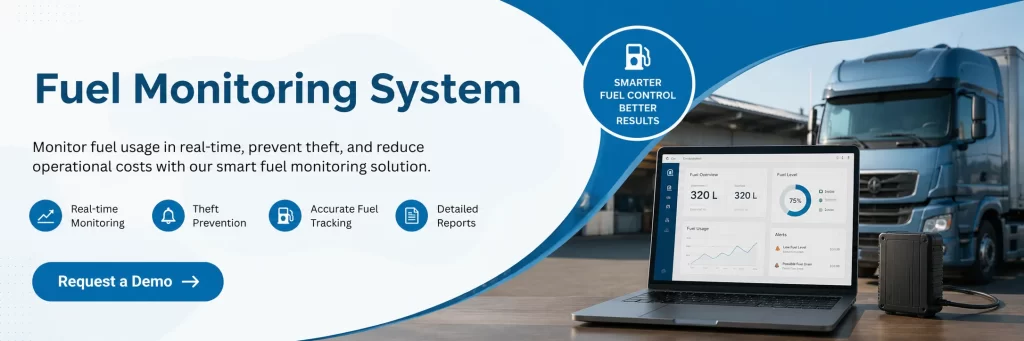
Fuel monitoring software provides centralized visibility into fuel activity and can make it easier to monitor multiple assets and locations. It can support theft prevention, consumption analysis, operational accountability, and better fuel-related decision-making across large and complex fleets.