
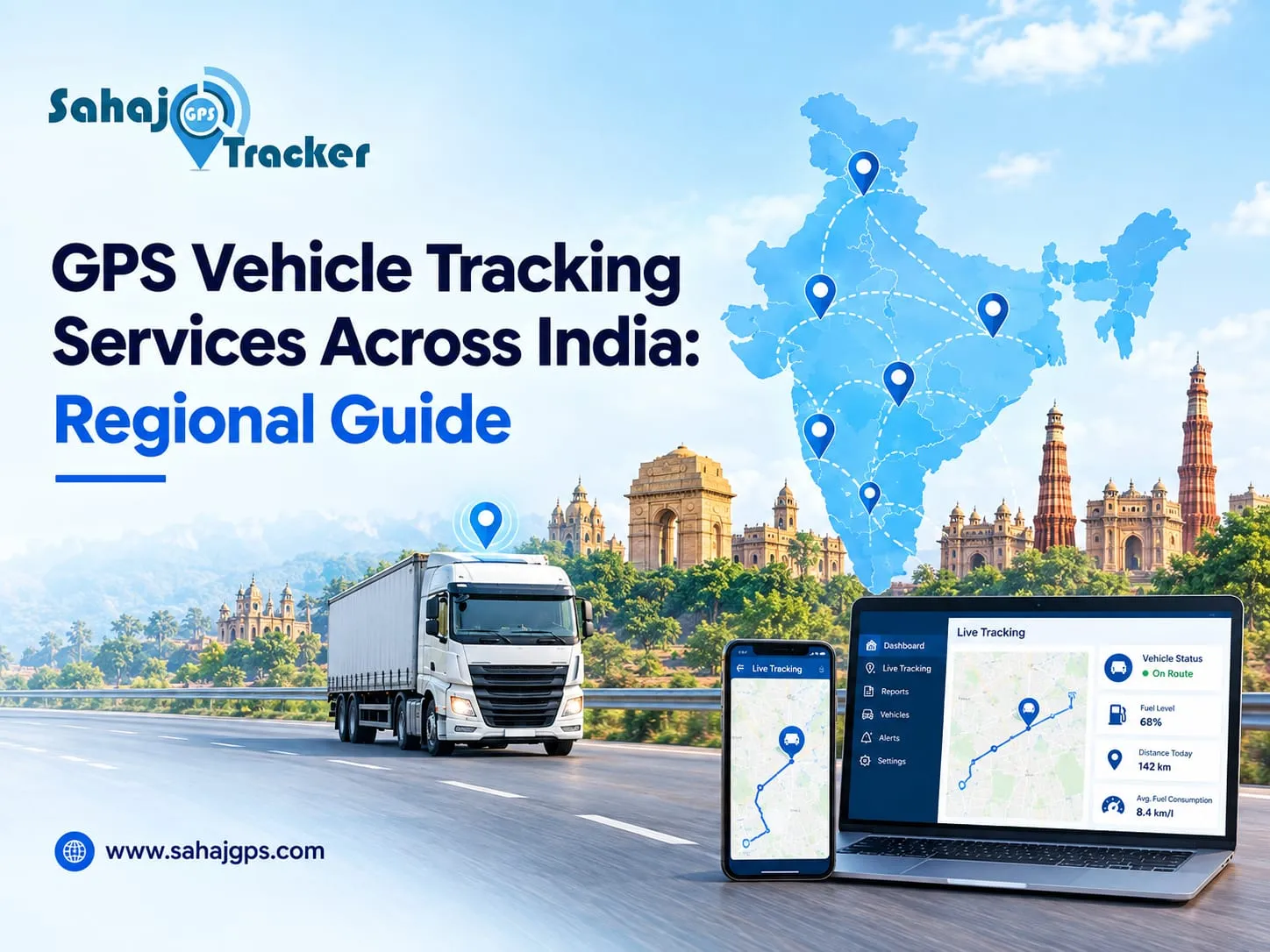
Managing vehicles across different locations requires more than basic location tracking. Fleet managers need clear visibility into vehicle movement, fuel usage, driver behavior, routes, and daily operations. As businesses expand their fleet operations across India, reliable GPS vehicle tracking services can help maintain better control and improve operational efficiency.
A fleet tracking provider can help businesses manage vehicles according to their operational requirements while providing access to centralized tracking data. For companies operating vehicles across multiple regions, regional GPS services can provide consistent fleet visibility, support vehicle monitoring, and help improve overall fleet management.
Why Regional GPS Tracking Matters for Fleet Operations
Fleet operations can vary depending on routes, traffic conditions, vehicle types, delivery schedules, and operating distances. Managing vehicles across different regions without a centralized system can make it difficult to understand where vehicles are, how efficiently they are being used, and whether planned routes are being followed.
A reliable regional service can bring vehicle data into one monitoring system. Fleet managers can review vehicle movement, route history, fuel consumption, and operational activity without depending entirely on manual updates from drivers or individual teams.
For businesses expanding their operations, city-wise GPS tracking can also be considered when they need location-based fleet visibility. However, a broader regional approach can make fleet management easier when vehicles regularly travel between multiple areas.
GPS Tracking Services Across Different Regions
Businesses operating in different parts of India may have different fleet management requirements. Some fleets may handle local deliveries, while others may cover long-distance routes, field operations, construction sites, or customer locations.
Fleet Tracking for Northern Regions
Fleet operators managing vehicles across northern regions may need continuous visibility into long-distance movement, route adherence, and vehicle activity. GPS tracking can help managers monitor vehicles while they are on the move and review their historical routes.
A centralized tracking platform can also help businesses coordinate vehicles operating across different operational areas without maintaining separate monitoring processes.
Fleet Tracking for Western Regions
Commercial and logistics fleets often cover busy routes with frequent stops and changing schedules. GPS tracking can help managers understand vehicle movement, identify unnecessary stops, and improve route utilization.
Businesses can combine tracking data with best route planning software to create more efficient journeys and reduce unnecessary travel.
Fleet Tracking for Southern Regions
Businesses managing service vehicles, logistics fleets, and commercial transportation can use GPS tracking to maintain better visibility over daily operations. Managers can monitor vehicle locations, route progress, and operational activity through a centralized system.
A vehicle fuel management system can further help businesses understand fuel consumption and identify unusual usage patterns.
Fleet Tracking for Eastern and Central Regions
Fleets operating across larger geographical areas can benefit from continuous location visibility and route monitoring. GPS tracking helps managers understand vehicle movement even when vehicles travel between different operational zones.
This can be particularly useful for businesses managing field teams, logistics vehicles, construction equipment, and other commercial fleets.
Important Features of a GPS Vehicle Tracking System
A GPS solution should provide more than basic vehicle location. Modern fleet operations require multiple features that help managers understand vehicle activity and improve operational control.
Real-Time Vehicle Tracking System
A Real-Time Vehicle Tracking System provides continuous visibility into the current location of vehicles. Managers can monitor vehicle movement, check route progress, and respond more quickly to unexpected stops or delays.
Real-time visibility is especially useful when several vehicles are operating simultaneously across different regions. Instead of waiting for manual updates, managers can access current tracking information through one platform.
Vehicle Fuel Management System
Fuel is a significant operating expense for commercial fleets. A vehicle fuel management system can help businesses monitor fuel usage and understand consumption patterns at the vehicle level.
When fuel information is combined with GPS movement data, managers can identify unusual fuel consumption, unnecessary vehicle usage, and possible fuel-related losses. This can support better cost control and more efficient fleet operations.
Geofencing GPS Tracker
A Geofencing GPS tracker allows businesses to create virtual boundaries around selected locations. Managers can receive alerts when vehicles enter or leave these defined areas.
Geofencing can be useful for monitoring warehouses, offices, project locations, customer sites, restricted zones, and other important operational areas. It provides an additional layer of control without requiring constant manual monitoring.
Driving Behavior Monitoring
Vehicle efficiency is closely connected to driver behavior. Driving behavior monitoring helps managers understand driving patterns such as speeding, harsh braking, sudden acceleration, and excessive idling.
By identifying these patterns, businesses can improve driver accountability, encourage safer driving practices, and reduce unnecessary vehicle wear and fuel consumption.
Best Route Planning Software
Efficient route planning can directly affect travel time, fuel usage, and vehicle productivity. The best route planning software can help managers organize journeys according to destinations, vehicle movement, and operational requirements.
Better route planning can reduce unnecessary travel and help businesses make better use of their available vehicles.
Benefits of Choosing a Local Fleet Tracking Provider
Working with a local fleet tracking provider can be useful when businesses require support that understands their operational environment. Local requirements, fleet size, vehicle types, and service needs can differ significantly between businesses.
A reliable provider can also help with system implementation, tracking configuration, reporting, and ongoing fleet monitoring. This becomes increasingly important as the number of vehicles and operating locations increases.
Businesses should also look for providers that offer broad regional service capabilities. This allows fleet operators to maintain a consistent tracking system even when their operations expand into additional areas.
Pan-India Fleet Management With Centralized Tracking
Businesses with vehicles operating across India need both local visibility and centralized control. A provider with pan-India presence can help businesses maintain one fleet management approach while supporting vehicles operating across different regions.
With centralized tracking, managers can monitor vehicle locations, review historical movement, analyze fuel usage, check geofencing events, and understand driver behavior from a single system.
Sahaj GPS provides GPS-based fleet monitoring capabilities that can support businesses looking for centralized vehicle visibility and operational control. Combining location tracking with fuel monitoring, geofencing, route planning, and driver-related insights can give fleet managers a more complete view of their operations.
How GPS Tracking Supports Fleet Efficiency
GPS tracking becomes more valuable when businesses use the collected data for operational decisions. Simply knowing where a vehicle is located is only one part of fleet management.
Managers can use tracking information to identify inefficient routes, unnecessary stops, excessive idling, fuel-related issues, and driving patterns that may increase operating costs. Over time, these insights can help businesses improve vehicle utilization and make their fleet operations more structured.
For companies managing vehicles across multiple regions, regional GPS services can provide the visibility required to compare operations, monitor fleet activity, and maintain consistent processes.
Choosing the Right GPS Tracking Service
Before selecting a GPS tracking solution, businesses should evaluate their fleet size, vehicle types, operating areas, monitoring requirements, and future expansion plans.
The right solution should provide reliable tracking, useful reports, fuel monitoring capabilities, geofencing, driver behavior insights, and route-related information. Businesses should also consider whether the provider can support them as their fleet expands.
A provider offering pan-India presence can be particularly useful for businesses that operate across multiple regions and want to avoid managing separate tracking systems for different operational areas.
The objective should not simply be to know where vehicles are. Effective fleet management requires businesses to understand how vehicles are moving, how efficiently they are being used, how much fuel they consume, and how driver behavior affects overall performance.
Conclusion
Reliable GPS vehicle tracking services can help businesses improve fleet visibility, monitor vehicle activity, control fuel usage, and make better operational decisions. Features such as a Real-Time Vehicle Tracking System, vehicle fuel management system, geofencing, driving behavior monitoring, and route planning can work together to create a more efficient fleet management process.
With the right local provider, strong regional service, and pan-India presence, businesses can maintain centralized control while supporting fleet operations across different areas. Sahaj GPS can help businesses build a structured tracking approach that supports better visibility, operational efficiency, and long-term fleet management.

Frequently Asked Questions
1. What are GPS vehicle tracking services?
GPS vehicle tracking services use GPS technology to monitor vehicle locations and movement. Depending on the solution, businesses can also access information related to routes, fuel usage, geofencing, and driver behavior.
2. Can GPS tracking support fleets operating across India?
Yes. A centralized GPS tracking solution can monitor vehicles operating across different regions and provide fleet managers with location and operational information through one platform.
3. What is the benefit of a Geofencing GPS tracker?
A Geofencing GPS tracker creates virtual boundaries around selected locations and sends alerts when vehicles enter or leave those areas. This can help businesses improve vehicle movement control.
4. How does GPS tracking help with fuel management?
GPS tracking can be combined with a vehicle fuel management system to understand fuel consumption and vehicle usage. This can help managers identify unusual fuel patterns and improve fuel efficiency.
5. Why should businesses choose a regional GPS service?
A regional GPS service can help businesses manage vehicles across different operational areas while maintaining centralized visibility. It can also support fleet expansion and provide a more consistent monitoring process.