
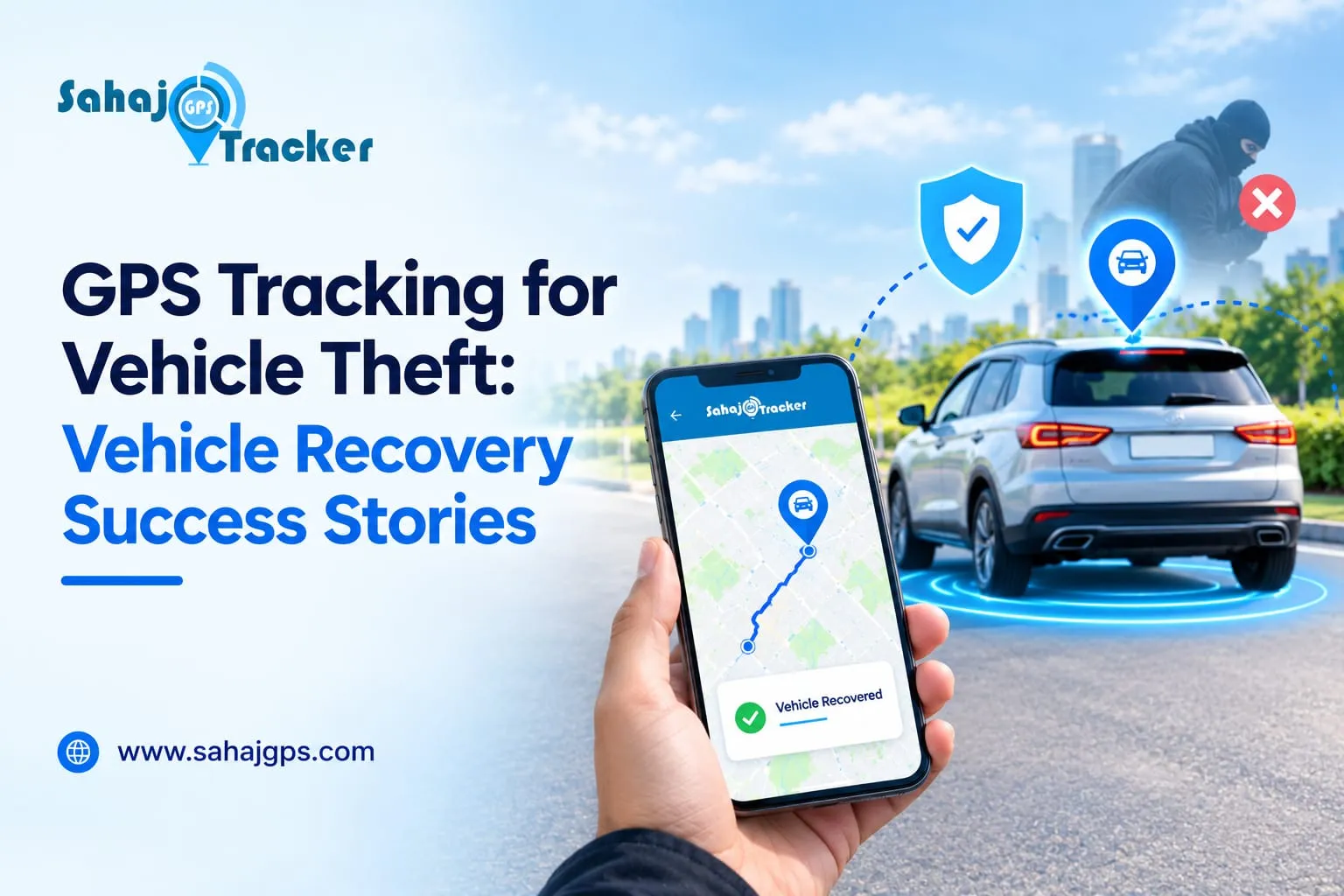
Vehicle theft can create serious financial and operational problems for individuals and businesses. For companies managing trucks, delivery vehicles, school buses, commercial vehicles, or field fleets, losing even one vehicle can disrupt daily operations and result in significant losses.
Modern GPS tracking for vehicle theft gives vehicle owners a way to monitor movement and respond quickly when something unusual happens. Instead of relying only on traditional locks and alarms, businesses can use live location tracking, geo-fencing, alerts, and vehicle monitoring to improve security.
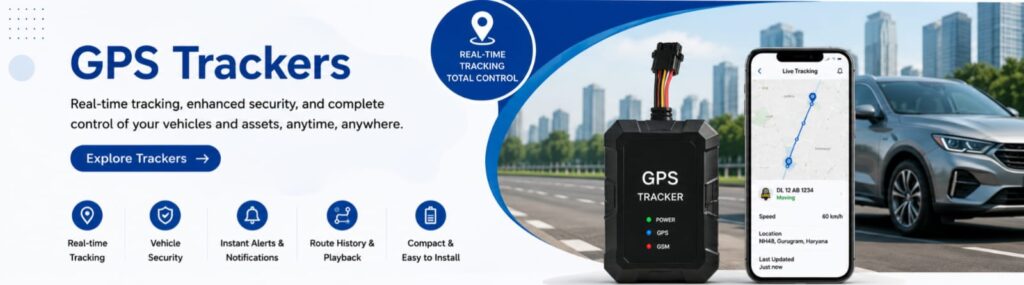
A real time gps tracker can show where a vehicle is moving, while automated notifications can warn fleet managers about unexpected activity. These features can be particularly useful when a vehicle is taken without authorization and needs to be located quickly.
How GPS Tracking Helps Recover Stolen Vehicles
The main benefit of GPS tracking for vehicle theft is access to location information after a vehicle starts moving. A GPS tracking device determines the vehicle’s position using satellite signals and sends relevant information through a communication network to the tracking platform.
If a vehicle moves outside its expected route or operating area, the owner can review its location and movement history. This information can help establish where the vehicle has travelled and where it may currently be located.
Sahaj GPS helps businesses use vehicle tracking as part of their regular fleet management and security process. Rather than checking the location only after a theft occurs, managers can continuously monitor vehicle activity and identify unusual movement at an earlier stage.
Why Live Vehicle Location Matters
Time is important when dealing with a stolen vehicle. The longer a vehicle remains unlocated, the farther it may travel. A live tracking system can reduce the delay between detecting unauthorized movement and identifying the vehicle’s location.
Fleet managers can review the vehicle’s current position, direction of travel, recent stops, and movement history. This information can then be shared with the relevant authorities when appropriate, giving them useful location details during the recovery process.
GPS Location Error and Vehicle Tracking Accuracy
GPS tracking is highly useful, but location information is not always perfectly precise. A GPS location error may occur because of environmental conditions, satellite visibility, device placement, or communication problems.
Tall buildings, underground parking areas, tunnels, dense trees, and other physical obstructions can affect satellite signals. These conditions may temporarily reduce GPS accuracy or cause the displayed position to shift.
A small change in the displayed location does not necessarily mean that the vehicle has physically moved. Fleet managers should consider the vehicle’s speed, movement history, ignition status, and connection information before treating an unusual location as confirmed movement.
Understanding Signal Drift
Signal drift occurs when a tracker shows slight movement even though the vehicle is stationary. This can happen when the device receives changing or weaker satellite signals. For example, a vehicle parked near tall buildings may appear to move a short distance on the tracking map.
This is different from genuine vehicle movement and should be considered when reviewing tracking information. Understanding signal drift helps fleet managers avoid unnecessary confusion while investigating a possible security incident.
Tracker Signal Loss and Network Issues
Another common tracking challenge is tracker signal loss. GPS positioning and network communication perform different functions. The tracker may determine its location but temporarily fail to send that information to the monitoring platform because of a network issue.
Weak network coverage, temporary communication interruptions, device power problems, or installation-related issues can affect data transmission.
If a vehicle suddenly appears offline, fleet managers should first check the last recorded location and connection status. They can also review whether the vehicle was operating in an area with poor network coverage.
GPS Troubleshooting Steps
When a location appears incorrect, several basic checks can help identify the problem.
First, check whether the tracking device has a stable power connection. Next, review the available signal strength and whether the device has a reliable satellite lock. The installation position should also be checked because heavy obstruction around the device can affect positioning performance.
If the same problem continues across different locations, the tracker and its installation may require technical inspection. Sahaj GPS can be part of a structured monitoring system where tracking information, alerts, and historical data are reviewed together rather than relying on one location update.
Finding a Practical GPS Drift Fix
A GPS drift fix depends on the reason behind the inaccurate location. If drift happens mainly in places with buildings, underground areas, or other obstructions, the environment may be affecting satellite reception.
If inaccurate tracking occurs frequently in open areas, the installation, power connection, device condition, antenna performance, or communication network may need to be checked.
Regular inspection of tracking devices can help maintain reliable vehicle monitoring. For businesses, this is especially important because accurate location information can become valuable during a vehicle recovery situation.
Geo-Fencing as an Early Theft Warning
A Geo-fencing tracker can provide an additional layer of vehicle security. Geo-fencing allows a business to create a virtual boundary around a specific area. For example, a company may define an approved operating zone for a commercial vehicle. If the vehicle leaves that area unexpectedly, an alert can notify the responsible person.
This can help detect unauthorized movement before a vehicle travels too far. Geo-fencing can also be useful for identifying vehicles that operate outside their assigned regions or move during restricted hours.
Instant Alerts for Faster Fleet Response
Constantly watching a tracking dashboard is not practical for most fleet managers. Automated notifications make it easier to respond to unusual activity. Depending on the tracking system, alerts may be configured for events such as geo-fence violations, unauthorized movement, ignition activity, or other predefined conditions.
These instant alerts for smarter fleet control can reduce the time between an unusual event and the management team’s response. Early awareness can be particularly valuable when a vehicle may have been taken without authorization.
Dashcam Monitoring for Vehicles
Location data becomes more useful when it is combined with visual information. Dashcam monitoring for vehicles can provide footage of events around a vehicle, depending on the installed camera configuration.
During a theft investigation, recorded footage may help establish what happened around the time of the incident. For normal fleet operations, dashcam monitoring can also support driver safety, incident investigation, and better visibility into vehicle activity.
When location information and camera footage are considered together, managers can develop a clearer understanding of an incident instead of depending only on a map location.
Building a Stronger Vehicle Security System
Effective vehicle security does not have to depend on one technology. A layered approach can provide better visibility and faster response.
GPS tracking provides location information. Geo-fencing can identify movement outside approved areas. Automated alerts can notify fleet managers about unusual events, while dashcam monitoring can provide additional visual evidence.
Sahaj GPS can support businesses looking to integrate these capabilities into their vehicle monitoring strategy. Using tracking as part of everyday fleet management can help businesses identify irregular activity before it becomes a larger problem.
Tracking History Can Support Vehicle Recovery
Even when a tracker temporarily stops transmitting, previously recorded data can remain useful. Tracking history may show the vehicle’s last known position, previous route, stops, and movement patterns. This information can help narrow the potential search area and establish a timeline of vehicle movement.
For this reason, businesses should not look at GPS tracking only as a recovery tool. Consistent monitoring and proper device maintenance can improve the usefulness of tracking information when a serious incident occurs.
Conclusion
Vehicle theft requires a quick and informed response. GPS tracking for vehicle theft can give owners and fleet managers valuable location information while features such as geo-fencing and automated alerts can help identify suspicious movement. Issues such as GPS location error, tracker signal loss, signal drift, weak signal strength, satellite lock problems, and network issues should also be understood. Proper installation, regular checks, and practical troubleshooting can improve the reliability of tracking information.
For businesses managing multiple vehicles, Sahaj GPS provides a practical approach to vehicle monitoring and fleet security. Combining a real time gps tracker, Geo-Fencing Tracker, instant alerts for smarter fleet control, and Dashcam Monitoring for Vehicles can create a stronger system for detecting unauthorized movement and supporting vehicle recovery.
Frequently Asked Questions
1. Can GPS tracking help recover a stolen vehicle?
Yes. GPS tracking can provide the current or last known location of a vehicle, depending on the device’s satellite and network connectivity. This information can help owners and relevant authorities understand where the vehicle has travelled and where it may be located.
2. What causes a GPS location error?
A GPS location error can result from poor satellite visibility, buildings, tunnels, dense surroundings, weak signal strength, device placement, or communication problems. Checking satellite lock, installation, power, and network connectivity can help identify the cause.
3. What should I do if my GPS tracker loses its signal?
Check the device’s power connection, network availability, signal strength, and satellite connection. Reviewing the last known location can also help determine whether the issue is temporary. If tracker signal loss happens repeatedly, the device installation may need technical inspection.
4. How does a Geo-Fencing Tracker help prevent vehicle theft?
A Geo-Fencing Tracker creates a virtual geographical boundary around an approved area. If a vehicle crosses that boundary unexpectedly, the system can send an alert, allowing the owner or fleet manager to investigate the movement quickly.
5. Why should GPS tracking be combined with dashcam monitoring?
GPS tracking provides location and movement information, while Dashcam Monitoring for Vehicles can provide visual context. Combining both can give fleet managers a more complete picture during theft investigations, accidents, or other vehicle-related incidents.