
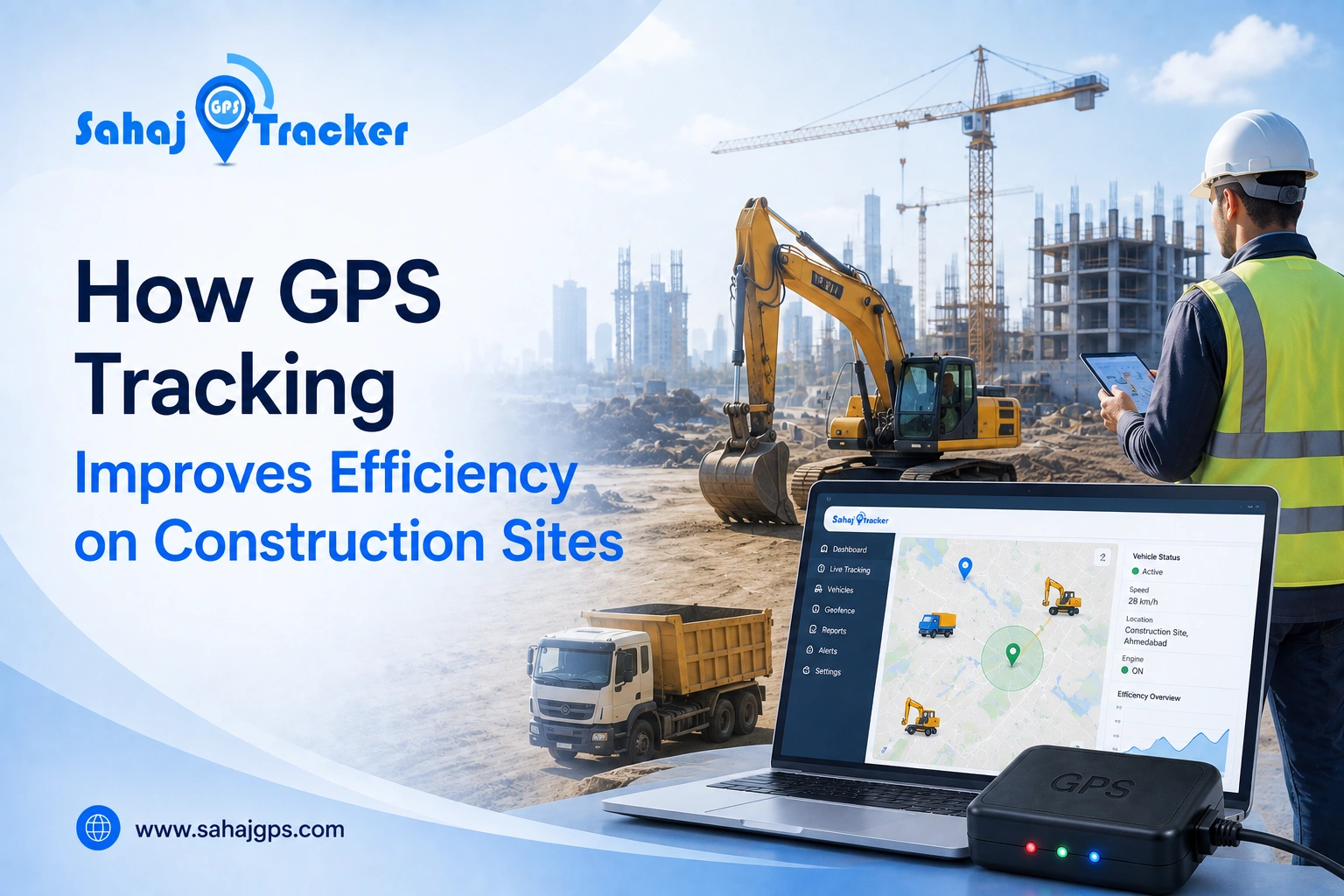
Construction sites are rarely quiet or predictable. Vehicles move between loading points, equipment yards, project zones, and material storage areas, often throughout the same day. This is why GPS tracking for construction sites has become useful for companies that want better control over vehicle movement and equipment utilisation. With live location data, route history, geofencing, and fleet reports, managers can understand what is happening on the ground instead of depending only on calls and manual updates.
Why GPS Tracking Matters on Construction Sites
Construction companies often manage trucks, dumpers, concrete mixers, loaders, service vehicles, and other equipment at the same time. As the number of vehicles increases, keeping track of everything manually becomes difficult. A supervisor may know which vehicles are assigned to a project, but knowing where each vehicle is at a particular moment is different.
A construction vehicle tracking system gives managers a central view of vehicle movement. They can check current locations, review previous trips, and identify unexpected stops or route changes. This can make everyday coordination easier, especially when several vehicles are working across different parts of a large project.
Live GPS Tracker for Better Vehicle Visibility
A live GPS tracker can provide real-time location information while vehicles are operating. If a material truck is delayed or remains stationary for an unusually long period, the fleet team can check its location before calling the driver.
This doesn’t mean every stop is a problem. Construction vehicles often wait for loading, unloading, site clearance, or equipment availability. The useful part is being able to see these patterns and understand them.
GPS Fleet Tracking for Construction Operations
GPS fleet tracking for construction can help businesses understand how their vehicles are being used throughout the day. Historical tracking information can show travel distance, stops, routes, and operating patterns.
For example, one truck might be completing several trips while another remains unused for most of the day. Managers can use this information when allocating vehicles between tasks or planning resources for different project locations.
Sahaj GPS provides fleet tracking solutions that can help construction businesses monitor vehicle movement, routes, and operational activity through a central platform.
Reduce Unnecessary Vehicle Movement
Unnecessary travel can quietly increase fuel costs and consume valuable working hours. Vehicles may take longer routes, make repeated trips, or move between areas without clear operational value.
Tracking data gives managers a way to review these patterns. Instead of assuming a route is inefficient, they can look at actual vehicle movement and determine whether changes are practical.
The shortest route isn’t always the right route on a construction site. Safety restrictions, temporary road closures, machinery, and site conditions all affect vehicle movement. The aim is to identify avoidable travel while keeping the operation safe and practical.
Geofencing GPS Tracker for Construction Sites
A Geofencing GPS tracker can create virtual boundaries around project sites, warehouses, equipment yards, and other important locations. When a vehicle enters or leaves a defined area, authorised users can receive an alert.
This is useful when managers need to monitor several locations without continuously watching the tracking dashboard. For example, an alert can notify a supervisor when a material vehicle reaches a project site or leaves a storage yard.
Improve Site Entry and Exit Monitoring
Geofencing can also help create a digital record of vehicle arrivals and departures. This can make coordination easier when multiple suppliers or company vehicles are visiting the same project.
Over time, these records may also help managers understand traffic patterns within their operations and identify recurring delays.
Monitor Driver Behaviour on Construction Fleets
Large construction vehicles require careful handling, and driver behaviour can affect safety, fuel consumption, and vehicle wear. fleet driver behavior monitoring can provide information about speeding, harsh braking, sudden acceleration, and excessive idling.
The value comes from looking at repeated patterns rather than isolated incidents. A driver may brake suddenly because another vehicle moved into the path, for example. That single event doesn’t tell much.
If similar behaviour appears repeatedly, managers can use the information for driver coaching and safety discussions. It becomes a practical way to identify areas for improvement without relying entirely on occasional observations.
Reduce Fuel Waste Through Better Tracking
Fuel is one of the biggest running expenses for many construction fleets. Long idle periods, unnecessary trips, and inefficient driving can increase fuel consumption without adding useful output.
GPS tracking can help identify vehicles that spend unusually long periods stationary or travel more kilometres than expected. When tracking data is combined with fuel information, managers can investigate unusual consumption patterns in greater detail.
This can be particularly helpful for fleets operating across multiple construction sites, where manual fuel and trip records may not always show the complete picture.
Improve Vehicle and Equipment Utilisation
Construction companies invest heavily in vehicles and equipment, so keeping these assets productive matters. A tracking system can provide information about how frequently vehicles are moving, how long they remain idle, and which assets are being used most often.
This information can help managers make better allocation decisions. If one project has unused equipment while another project is facing a shortage, location and utilisation data can support more informed planning.
Sahaj GPS can help businesses access vehicle tracking and fleet management information that supports better visibility across construction operations.
Support Preventive Maintenance
Vehicle breakdowns can disrupt an entire construction schedule. When a truck or important service vehicle becomes unavailable, another vehicle may have to be arranged, which can create delays and additional costs.
Tracking platforms can support maintenance planning by providing information about vehicle usage, mileage, operating hours, or trip activity, depending on the hardware and software used.
Managers can use these records alongside existing maintenance schedules to keep vehicles serviced at appropriate intervals. It is a simple idea, but avoiding one unexpected breakdown at the wrong time can save a lot of trouble.
Manage Multiple Construction Sites More Easily
Large contractors may operate several projects at once, sometimes across different cities or regions. Managing vehicle movement across these locations can become difficult without centralised visibility.
A GPS tracking platform allows authorised managers to view vehicles from different sites through one system. They can check which vehicles are available, where they are working, and how they have been used during previous trips.
This can also help with resource planning. If a vehicle is finishing work at one project and another nearby site requires the same type of support, managers can make decisions using actual location information rather than estimates.
How GPS Tracking Supports Construction Productivity
The real benefit of GPS tracking isn’t simply seeing vehicles on a map. It is the information behind that map.
Managers can use tracking data to understand delays, unnecessary movement, vehicle utilisation, idle time, route performance, and driver behaviour. These insights can then support better decisions about scheduling, resource allocation, fuel management, and maintenance.
Sahaj GPS offers tracking technology that can help construction fleets turn everyday vehicle movement into useful operational information.
Choosing the Right GPS Tracking System
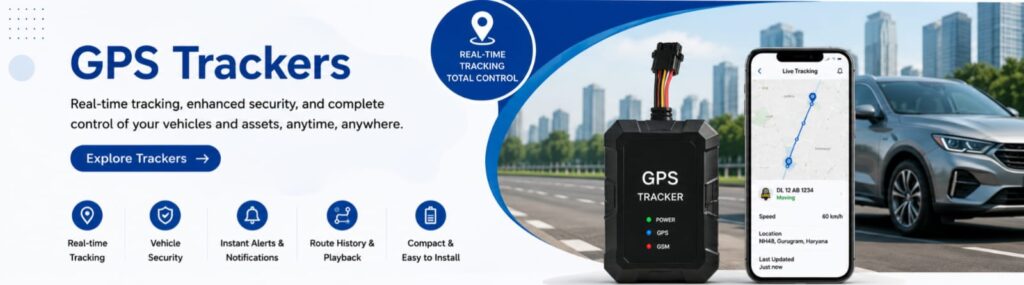
Construction companies should consider more than basic location tracking when selecting a system. Features such as real-time tracking, route history, geofencing, driver behaviour monitoring, alerts, reporting, and mobile access can be useful depending on the operation.
Hardware durability should also be considered. Construction environments can involve dust, vibration, rough roads, and long operating hours, so tracking devices need to be suitable for the vehicles and conditions where they will be installed.
The software should be easy enough for supervisors and fleet managers to use without extensive training. A complicated system can quickly become another task for an already busy team.
Making Construction Fleet Operations More Efficient
GPS tracking cannot prevent every construction delay. Weather changes, equipment failures, material shortages, and site conditions will always affect projects. That’s just part of the industry.
What tracking can do is reduce uncertainty around vehicle and equipment movement. Managers can see where vehicles are, understand how they are being used, identify repeated inefficiencies, and respond with better information.
For construction companies in Ahmedabad, Gujarat, Mumbai, Pune, Delhi, and other growing markets, this visibility can become increasingly valuable as fleets and projects expand.
The goal is fairly simple: fewer unnecessary trips, better vehicle utilisation, improved fuel control, safer driving, and less time spent chasing basic location updates.
FAQs
1. How does GPS tracking improve construction site efficiency?
GPS tracking provides real-time vehicle visibility, route history, geofencing, and utilisation data. Managers can use these insights to reduce unnecessary movement, improve vehicle allocation, monitor delays, and coordinate construction fleets more efficiently.
2. Can GPS tracking reduce construction fleet fuel costs?
Yes. GPS tracking can identify excessive idling, unnecessary travel, route deviations, and inefficient driving patterns. When combined with fuel data, this information can help businesses reduce avoidable fuel consumption.
3. What is a construction vehicle tracking system?
A construction vehicle tracking system uses GPS hardware and software to monitor vehicles and equipment. It can provide live locations, route history, geofencing alerts, trip reports, and other fleet management information.
4. How does a Geofencing GPS tracker help construction companies?
A Geofencing GPS tracker creates virtual boundaries around project sites, warehouses, and yards. Alerts can notify authorised users when vehicles enter or leave these areas, making vehicle movement easier to monitor.
5. Can GPS tracking monitor construction driver behaviour?
Yes. Depending on the system, managers can monitor speeding, harsh braking, sudden acceleration, and excessive idling. These insights can support driver coaching, safer driving practices, and improved fleet efficiency.