
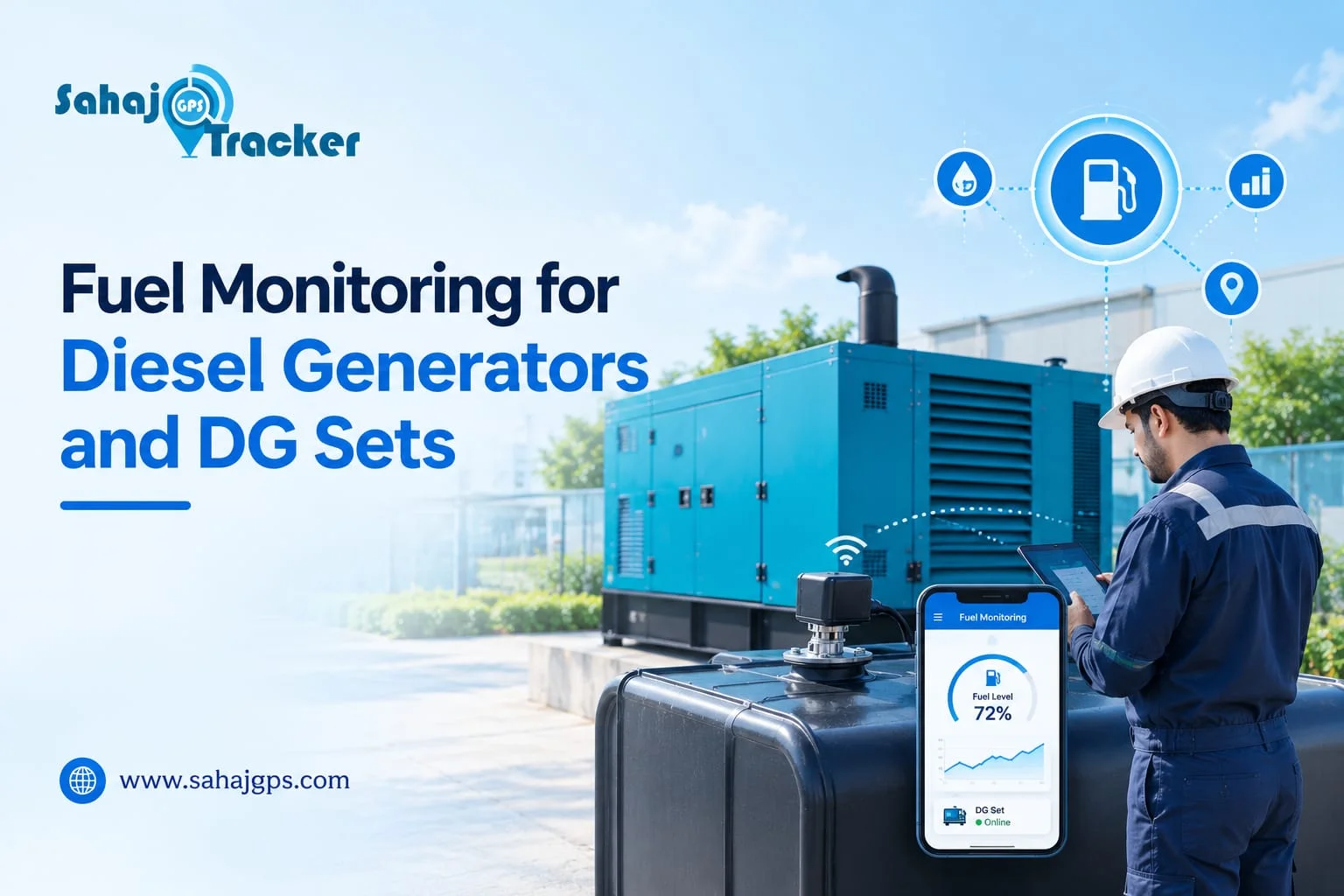
Diesel generators and DG sets are commonly used as backup power sources in offices, factories, hospitals, construction sites, warehouses, telecom facilities, and commercial buildings. They help businesses continue operations during power cuts, but managing their diesel consumption can become difficult, especially when generators run for long hours or are installed across multiple locations.
A fuel monitoring system diesel generator DG set solution gives businesses better visibility into fuel levels, consumption, refuelling, and unusual changes in the tank. Instead of depending completely on manual checks, teams can use digital monitoring to understand how much fuel is available and identify unexpected losses at an earlier stage.
Why Fuel Monitoring Is Important for DG Sets
Diesel is a major operating expense for businesses that depend on generators regularly. When a generator runs for several hours every day, even a small difference between expected and actual fuel consumption can increase operating costs over time.
Manual fuel measurement can also create problems. Readings may be taken at different times, records may not always be accurate, and sudden fuel removal can go unnoticed between inspections. A digital monitoring system creates a more consistent way to track fuel levels and review changes over time.
For businesses managing generators at multiple sites, remote monitoring becomes even more useful. Managers can check fuel information without having to physically visit every generator location.
What Is DG Set Fuel Monitoring?
DG set fuel monitoring involves using a fuel-level sensor and connected monitoring technology to measure the amount of diesel inside a generator tank. The collected information can be transferred to a digital platform where authorised users can review current and historical fuel data.
Depending on the system, businesses can monitor fuel levels, consumption patterns, refuelling activity, and sudden changes in the tank. This information can help managers compare actual fuel usage with generator operating hours and identify unusual patterns.
The main purpose is not simply to know how much diesel remains in the tank. It is to create better visibility into fuel usage so that businesses can make more informed operational decisions.
How a Fuel Monitoring System Works
A Fuel Monitoring System generally uses a sensor installed in the generator’s fuel tank. The sensor measures the fuel level and sends the information through a connected communication unit to a monitoring platform.
Once the data reaches the platform, users can view the information through a dashboard or other reporting interface. Depending on the system, the data may be available remotely through a computer or mobile device.
This setup reduces dependence on physical inspections and manual records. It also creates a history of fuel-level changes, which can be useful when analysing consumption or investigating discrepancies.
Real-Time Fuel Level Monitoring
Real-Time Fuel Level Monitoring allows businesses to keep track of the approximate fuel available in a generator tank as operations continue. This is particularly useful for facilities where generators need to remain ready for extended periods.
For example, if the fuel level suddenly drops when the generator is not operating normally, the change can be identified and checked. This gives the responsible team an opportunity to investigate the situation rather than discovering the loss during a later physical inspection.
Controlling Generator Fuel Theft
Fuel theft can occur through unauthorised draining, siphoning, inaccurate records, or other forms of misuse. The risk can become harder to manage when a business operates several generators across different locations.
A fuel theft control system helps businesses monitor changes in fuel levels and identify unusual drops. When the recorded change does not appear to match normal generator consumption, the incident can be reviewed by the responsible team.
This does not replace physical security measures, but it adds another layer of visibility. When fuel data is recorded digitally, managers have better information for investigating unexplained losses and improving accountability.
How a Fuel Drain Alert System Helps
A fuel drain alert system can notify authorised users when the fuel level falls suddenly or outside expected operating conditions. Such an alert can be useful when a generator is switched off and a significant fuel-level reduction occurs.
Quick notification can reduce the time between a possible incident and its investigation. The team can check the generator, verify the fuel level, review the circumstances, and take appropriate action if required.
Understanding Diesel Genset Tracking
Diesel genset tracking can provide businesses with broader visibility when generator information is combined with asset and location data. This can be useful for construction companies, telecom operators, infrastructure projects, warehouses, and organisations managing generators across remote locations.
Instead of treating every DG set as a separate asset, businesses can monitor their equipment through a central system. This can make it easier to understand where generators are deployed, how they are being used, and whether fuel consumption is consistent with their operating activity.
For larger operations, centralised monitoring can also support better coordination between site teams and management. Historical information can be reviewed when businesses need to investigate recurring fuel discrepancies or compare generator performance.
Benefits of Automated Fuel Monitoring
Automated monitoring can make generator fuel management more structured and less dependent on manual reporting. When fuel information is collected regularly, businesses can identify consumption trends and understand how different generators are performing.
One important benefit is better fuel consumption analysis. If one generator consistently consumes more diesel than expected compared with its operating hours, the business can investigate possible causes such as load conditions, maintenance issues, inefficient operation, or fuel loss.
Another benefit is faster detection of unusual activity. A sudden reduction in fuel can be reviewed soon after it occurs rather than being discovered during a later manual inspection.
Digital records can also improve accountability. Refuelling and fuel-level information can be reviewed over time, helping businesses understand when and where discrepancies occur.
Role of a Fleet Fuel Monitoring System
Businesses that manage both vehicles and generators may benefit from a broader fuel fleet monitoring system. A central platform can provide fuel-related visibility across different assets instead of requiring teams to manage separate records for each vehicle or generator.
This can be particularly useful for organisations with large operations and multiple sites. Managers can compare fuel usage, identify unusual patterns, and review operational data from a central location.
However, the right system depends on the type of assets being monitored, the required sensor accuracy, connectivity conditions, reporting requirements, and the number of generators involved.
Choosing the Right Fuel Monitoring Solution
Before selecting a monitoring solution, businesses should understand their actual operational requirements. The system should be compatible with the generator tank and provide reliable fuel-level measurements under the conditions in which the DG set operates.
Real-time visibility, historical reports, alert configuration, remote access, connectivity, installation requirements, and scalability are also important considerations. Businesses managing multiple generators should check whether the platform can handle different assets and locations without making daily monitoring complicated.
The quality of the sensor is equally important because inaccurate readings can make fuel analysis unreliable. A suitable solution should provide useful data that managers can understand and act upon.
Improving DG Fuel Management With Technology
Technology works best when combined with proper fuel management practices. Businesses should maintain clear records of generator operating hours, refuelling activity, servicing, and fuel consumption.
Regular comparison between expected and actual consumption can help identify unusual patterns. If the same discrepancy appears repeatedly, the business can investigate the generator, operating conditions, fuel records, and possible losses.
Access to fuel information should also be limited to authorised personnel. Combining digital monitoring with clear responsibilities and regular checks can create a more controlled approach to generator fuel management.
Conclusion
A reliable fuel monitoring diesel generator DG set solution can help businesses gain better control over fuel consumption, detect unusual fuel-level changes, and manage generators more efficiently. Features such as Real-Time Fuel Level Monitoring, fuel drain alerts, and digital consumption records can provide useful visibility for both individual generators and larger operations.
For businesses managing DG sets across multiple locations, Sahaj GPS provides technology-based monitoring solutions designed to improve visibility over assets and operations. With the right monitoring approach, Sahaj GPS can help businesses build a more organised fuel management process and respond faster to unexpected fuel losses.
FAQs
What is fuel monitoring for a diesel generator?
Fuel monitoring uses sensors and digital technology to measure the amount of diesel available inside a generator tank. It can help businesses track fuel consumption, refuelling, and unexpected changes in fuel levels.
How does DG set fuel monitoring help control fuel theft?
DG set fuel monitoring can identify sudden or unusual drops in fuel levels. When such changes are detected, the responsible team can investigate the incident and verify whether the fuel loss was part of normal generator consumption.
What is a fuel drain alert system?
A fuel drain alert system sends a notification when the fuel level in a generator tank drops unexpectedly or faster than normal operating conditions would suggest. It helps teams become aware of possible fuel loss sooner.
Can one system monitor multiple DG sets?
Yes, depending on the monitoring platform, multiple generators can be connected to a central dashboard. This allows businesses to review fuel information from different generators and locations in one place.
Is real-time fuel monitoring useful for remote generator sites?
Yes. Real-time monitoring is particularly useful for remote locations because managers can review fuel information without physically visiting the generator. Alerts can also help teams identify unusual fuel-level changes and take action more quickly.