
Public transport operators manage large and complex fleets where safety, punctuality, fuel efficiency, vehicle availability, and passenger satisfaction are closely connected. Whether the fleet consists of school buses, employee transportation vehicles, private buses, or commercial passenger vehicles, knowing where every vehicle is and how it is being operated is essential for efficient fleet management. GPS tracking technology has become an important tool for achieving this visibility.
Modern GPS tracking solutions provide much more than real-time vehicle location. They can help transport operators monitor routes, analyze driving patterns, understand fuel usage, manage maintenance schedules, and respond to unexpected situations. For operators in India, regulatory compliance is also an important consideration when selecting a GPS tracking device. AIS 140 approved GPS devices are particularly relevant for transport applications where applicable regulatory requirements need to be followed.
Sahaj GPS provides fleet tracking technology that helps transport operators improve visibility over their vehicles and access useful information about daily fleet operations. With centralized tracking and monitoring, managers can make better decisions while reducing the dependence on manual reporting.
Why GPS Tracking Is Important for Bus Operators
Managing a bus fleet without centralized tracking can make it difficult to know whether vehicles are following their assigned routes, reaching destinations on time, or operating efficiently. Manual calls and driver updates may provide some information, but they do not always offer a complete picture of vehicle activity.
GPS tracking provides real-time visibility into vehicle movement and can also maintain historical trip information. Fleet managers can review routes, stoppages, travel times, and vehicle activity to understand how buses are actually being operated. This information can be useful for identifying delays, route deviations, unauthorized movement, and operational inefficiencies.
For public transport operators, better visibility can also improve communication and planning. When managers know the current location of vehicles, they can respond more effectively to delays or unexpected situations.
Understanding AIS 140 Approved GPS Devices
Regulatory compliance is an important factor when choosing GPS technology for transport vehicles in India. AIS 140 approved gps devices are designed according to the applicable Automotive Industry Standard requirements for vehicle tracking systems. The Automotive Research Association of India publishes information regarding approved vehicle tracking systems and related certification requirements.
Operators should verify the approval status of the specific device and system before deployment rather than relying only on general descriptions such as “approved” or “certified.” The exact regulatory requirement can depend on the vehicle category and intended application.
Real-Time Vehicle Tracking for Public Transport
Real-time tracking is one of the most important functions of a modern GPS tracking solution. It allows fleet managers to see where buses are currently operating and understand whether they are following their planned routes.
Historical location data is equally valuable because it allows managers to review completed trips. If a bus repeatedly takes longer than expected to complete a particular route, the historical data can help identify where delays are occurring.
Route deviations can also be investigated more easily. If a vehicle leaves its assigned route without an operational reason, the manager can review its movement history and determine what happened. This can improve accountability while also helping identify genuine route-related problems.
Driver Behavior Monitoring for Safer Operations
Driver behavior can influence passenger safety, fuel consumption, vehicle wear, and overall operating costs. Driving patterns such as excessive speeding, harsh braking, rapid acceleration, and unnecessary idling can create additional risks and expenses.
A driver behavior monitoring system can help fleet managers identify these patterns using vehicle and tracking data, depending on the features supported by the solution. Instead of relying only on manual observations or passenger complaints, managers can use recorded information to understand driving performance.
The purpose of monitoring should be to improve driving standards and support appropriate training. When drivers receive clear feedback based on actual operating data, transport companies can work toward safer and more consistent vehicle operation.
Vehicle Maintenance Monitoring for Bus Fleets
Buses often operate for long hours and cover substantial distances every day. Regular maintenance is therefore essential for maintaining reliability and avoiding unexpected breakdowns.
A vehicle maintenance monitoring system can help transport operators organize service schedules and monitor vehicle maintenance requirements. Depending on the system, maintenance information can be associated with mileage, operating time, or predefined service intervals.
The Importance of Fleet Maintenance
Effective fleet maintenance is not limited to repairing vehicles after a breakdown. A well-managed maintenance process focuses on keeping vehicles in reliable operating condition throughout their service life.
For bus operators, regular inspection and servicing can help address issues involving brakes, tires, batteries, engines, electrical systems, and other important components. Maintaining proper records can also help managers understand the maintenance history of each vehicle.
Fuel Consumption Management for Bus Operators
Fuel is one of the largest recurring expenses for many transport businesses. When a fleet contains dozens or hundreds of vehicles, even a small increase in fuel consumption per vehicle can significantly affect monthly operating costs.
fuel consumption management helps operators understand how vehicles are using fuel and identify factors that may be contributing to unnecessary consumption. Excessive idling, inefficient routes, aggressive driving, traffic conditions, and poor vehicle maintenance can all influence fuel usage.
GPS tracking data can provide valuable operational context. Managers can compare fuel usage with distance traveled, routes, vehicle activity, and driving patterns. This makes it easier to determine whether higher consumption is connected to normal operating conditions or requires further investigation.
How GPS Data Can Improve Fuel Efficiency
Fuel efficiency cannot always be improved simply by reducing fuel usage. Fleet managers first need to understand why a particular vehicle is consuming more fuel than expected.
For example, a bus may show higher consumption because it spends considerable time idling in traffic. Another vehicle may consume more because it operates on a longer route or experiences frequent congestion. In other situations, inefficient driving or maintenance problems may contribute to the difference.
By analyzing vehicle activity alongside fuel information, managers can identify recurring patterns. This can support better route planning, driver training, maintenance decisions, and overall cost management.
RTO Certified GPS Tracking Device: What Should Operators Check?
The term RTO certified gps tracking device is commonly used when businesses search for tracking solutions for commercial and public transport vehicles. However, operators should carefully verify what specific approval or certification applies to their vehicle category and intended use.
Instead of selecting a device based solely on the phrase “RTO certified,” businesses should check the relevant regulatory documentation, approval status, device specifications, and applicable requirements. For systems associated with AIS 140 compliance, operators can refer to the relevant information published by authorized certification bodies.
Route Management and Schedule Monitoring
Public transport operations depend heavily on predictable routes and schedules. A delay in one part of a route can affect passengers, connecting trips, and the overall transportation schedule.
GPS tracking can help operators compare planned routes with actual vehicle movement. Historical data can show where buses are frequently delayed and how long they remain at particular locations.
This information can help management evaluate whether routes need adjustment or whether schedules should be changed. It can also help identify recurring operational issues that may not be visible through manual monitoring.
Safety and Emergency Monitoring
Passenger safety should remain a priority for every public transport operator. GPS tracking can provide greater visibility when an unexpected situation occurs, depending on the features and configuration of the installed system.
AIS 140-compliant vehicle tracking systems can include features designed for tracking and emergency-related functionality where applicable. Operators should verify the exact capabilities and approval details of the system they intend to use.
Real-time location information can also help management teams understand where a vehicle is during an incident. This additional visibility can support faster coordination and more informed decision-making.
Why Basic GPS Tracking May Not Be Enough
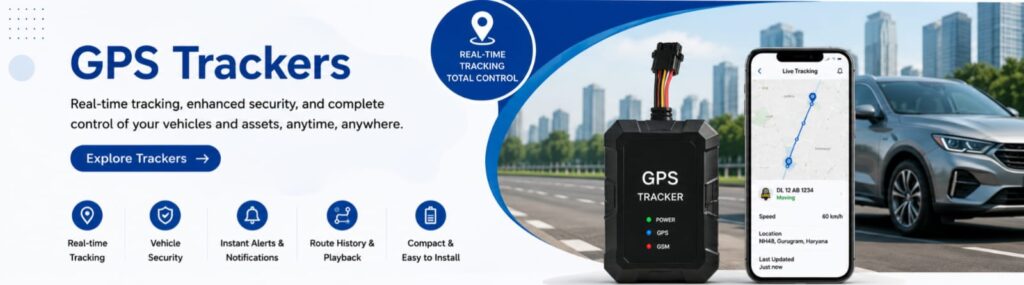
A basic GPS tracker can provide vehicle location, but modern bus fleets often require broader operational visibility. Fleet managers may need information related to driver behavior, fuel consumption, maintenance, route performance, and vehicle activity.
Sahaj GPS helps businesses use fleet monitoring technology to gain a more complete view of their vehicle operations. A centralized system can make it easier for managers to access information and evaluate fleet performance without depending entirely on separate manual records.
Choosing the Right GPS Tracker for Your Fleet
The best GPS tracking solution for a bus fleet is not necessarily the one with the largest number of features. It should be the solution that matches the operator’s actual requirements and can be used effectively by the management team.
Tracking accuracy, software usability, reporting capabilities, regulatory compliance, alert functionality, maintenance support, and scalability are all important factors. Operators should also consider whether the solution can continue to meet their requirements as the fleet grows.
A reliable tracking platform should make information easier to understand rather than creating additional complexity. Managers should be able to access important vehicle data and use it to support practical decisions about routes, drivers, fuel, and maintenance.
Benefits of Integrated Fleet Monitoring
The biggest advantage of modern fleet tracking comes from connecting different areas of vehicle management. GPS location data can provide context for fuel consumption, driver behavior can explain variations in vehicle performance, and vehicle usage can help determine maintenance requirements.
This integrated approach allows fleet managers to move beyond simple vehicle tracking. Instead of asking only where a bus is, managers can also understand how it is being operated and where improvements may be possible.
For growing transport businesses, this level of visibility can support more organized fleet management and better utilization of available vehicles.
Final Thoughts
GPS tracking has become an important part of modern bus and public transport management in India. The right system can provide visibility into vehicle location, route performance, driver behavior, fuel usage, and maintenance requirements.
For operators subject to regulatory requirements, verifying the relevant approval and certification of the tracking device is an essential part of the selection process. AIS 140 approved gps devices should be evaluated based on their applicable approval status rather than general marketing claims.
Sahaj GPS offers fleet monitoring technology that can help transport operators improve visibility and manage vehicle operations more efficiently. By combining tracking with driver monitoring, fuel management, and maintenance planning, businesses can build a more structured approach to fleet management.
Frequently Asked Questions
1. What are AIS 140 approved gps devices?
AIS 140 approved gps devices are vehicle tracking devices that meet the applicable requirements under AIS 140 for relevant transport applications. Operators should verify the approval status of the specific device and system before deployment.
2. How does a vehicle maintenance monitoring system help bus operators?
A vehicle maintenance monitoring system helps operators organize maintenance schedules and monitor vehicle servicing requirements based on factors such as mileage, operating time, or predefined intervals. This can support preventive maintenance and reduce unexpected downtime.
3. What is a driver behavior monitoring system?
A driver behavior monitoring system uses vehicle and tracking data to identify driving patterns such as speeding, harsh braking, sudden acceleration, or excessive idling, depending on the available features. Fleet managers can use these insights to support safer driving practices and training.
4. Why is fuel consumption management important for public transport?
Fuel consumption management helps operators understand how efficiently their buses are using fuel. By analyzing fuel usage alongside routes, idling, driving behavior, and vehicle performance, businesses can identify opportunities to control unnecessary fuel expenses.
5. How can GPS tracking support fleet maintenance?
GPS tracking provides information about vehicle usage, distance traveled, routes, and operating patterns. This information can support maintenance planning by helping managers understand vehicle utilization and schedule servicing appropriately. Effective fleet maintenance can reduce unexpected breakdowns and improve vehicle availability.