
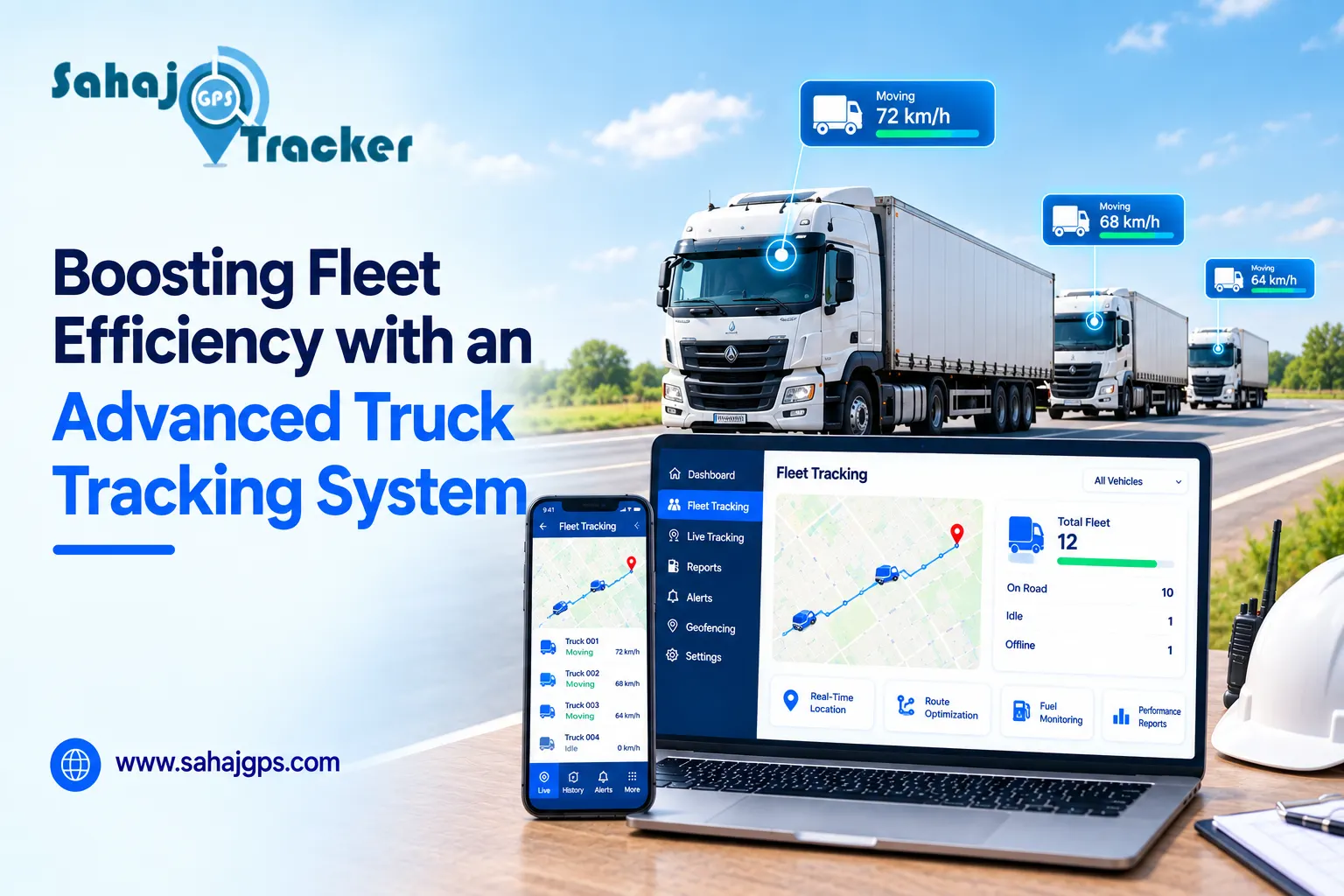
Managing a truck fleet involves much more than knowing where vehicles are located. Effective fleet tracking system helps fleet operators monitor vehicle movement, improve route visibility, control operating expenses, and maintain better oversight of daily transportation activities.
Fleet managers also need to schedule servicing, reduce vehicle downtime, monitor fuel and repair costs, and ensure that trucks remain productive throughout their working life. An advanced truck tracking system can bring multiple aspects of fleet management together.
Real-time vehicle visibility, maintenance planning, service reminders, expense monitoring, and operational data can help fleet managers make better decisions. By using technology strategically, businesses can improve fleet productivity while maintaining better control over their daily transportation operations.
Understanding the Role of Truck Tracking in Fleet Management
A modern tracking system provides continuous information about vehicle movement and usage. Managers can monitor where trucks are operating, review routes, and understand how vehicles are being utilized during the day. This visibility becomes particularly valuable for businesses managing multiple trucks across different routes.
Instead of depending entirely on phone calls or manual updates, fleet managers can access centralized information and respond to operational issues more efficiently. Sahaj GPS can help businesses create better visibility across their truck fleet, allowing managers to monitor vehicle operations and use tracking data to improve transportation planning.
Improving Fleet Maintenance
Regular servicing is essential for keeping trucks operational and reducing unexpected breakdowns. Delaying oil changes, inspections, tyre replacements, or other maintenance activities can eventually lead to expensive repairs and vehicle downtime. Effective fleet maintenance requires businesses to maintain accurate service records and understand when individual vehicles require attention.
A digital tracking and fleet management system can help managers organize maintenance schedules based on vehicle usage, service intervals, or other predefined requirements. Instead of waiting for a vehicle problem to occur, businesses can adopt a more preventive approach. Regular maintenance can help identify potential issues earlier and support better vehicle reliability.
Using Fleet Reminders Software to Avoid Missed Services
Fleet managers often handle numerous vehicles, each with different service schedules and documentation requirements. Remembering every maintenance deadline manually can be challenging.
Fleet reminders software can help automate important notifications related to vehicle servicing, inspections, insurance renewals, permits, tyre checks, and other scheduled activities. Managers can receive reminders before important deadlines instead of discovering them after they have already passed.
This can make fleet administration more organized and reduce the risk of missed maintenance activities. Automated reminders are particularly useful for large fleets where individual vehicle schedules can vary significantly.
Why Preventive Maintenance Matters
Preventive maintenance can help reduce the possibility of unexpected breakdowns. When trucks are regularly inspected and serviced, potential mechanical issues may be identified before they become major problems.
A structured maintenance schedule can also help businesses plan vehicle downtime. Instead of dealing with an unexpected breakdown during an important delivery, managers can schedule maintenance at a more suitable time.
Real-Time Visibility Through a Fleet Tracking System
A fleet tracking system provides businesses with real-time visibility into vehicle movement and operational activity. Managers can monitor truck locations, review routes, and understand how vehicles are progressing through their assigned journeys.
This information can support better dispatching and route coordination. If a truck is delayed, managers can identify the situation and make appropriate adjustments. Historical route information can also reveal frequently delayed routes or inefficient travel patterns.
Tracking data can be particularly useful when businesses operate trucks across multiple cities or service areas. Centralized visibility allows management teams to monitor fleet activity without relying on separate manual updates from every driver.
Improving Route and Vehicle Utilization
Truck productivity depends heavily on how efficiently vehicles are utilized. Excessive empty running, unnecessary detours, long idle periods, and poorly planned routes can increase operating costs while reducing the number of deliveries a vehicle can complete.
Tracking information can help fleet managers identify these patterns. By reviewing actual vehicle movement, businesses can determine where route planning can be improved and where vehicles may be underutilized.
Better utilization does not necessarily mean increasing driver workload. Instead, it involves using available vehicles and routes more intelligently to achieve better operational efficiency.
Managing Fleet Expenses More Effectively
Fuel, maintenance, tyres, repairs, insurance, tolls, driver-related costs, and other operational expenses contribute to the total cost of running a truck fleet. Without proper monitoring, small inefficiencies can accumulate into significant expenses.
Fleet Expense Management Software can help businesses organize and monitor vehicle-related expenses in a centralized system. Managers can review spending patterns and compare costs across vehicles or operational periods.
When expense information is analyzed alongside tracking and maintenance data, businesses can gain a clearer understanding of their overall fleet performance. For example, consistently high maintenance expenses for a particular vehicle may indicate that it requires closer inspection or replacement planning.
Identifying Unnecessary Fleet Costs
Expense monitoring can help identify areas where money may be unnecessarily spent. Businesses can examine fuel consumption, repair frequency, maintenance costs, and other vehicle-related expenses to identify recurring patterns.
This information can support better budgeting and help management determine which areas require operational improvement. Instead of making decisions based on assumptions, businesses can use historical expense data to understand where their fleet budget is going.
Reducing Vehicle Downtime
Truck downtime directly affects fleet productivity. When a vehicle remains unavailable because of mechanical problems or missed servicing, deliveries can be delayed and additional resources may be required. Combining maintenance planning with tracking technology can help businesses reduce avoidable downtime.
Managers can identify upcoming maintenance requirements and schedule them before problems become serious. Sahaj GPS supports a more organized approach to fleet operations by helping businesses connect vehicle tracking with broader fleet management requirements. Better visibility can make it easier to identify operational issues and plan corrective actions.
Supporting Driver and Vehicle Accountability
Truck tracking can also improve operational accountability. Managers can review vehicle routes, stops, travel patterns, and other relevant information to understand how trucks are being used. This information can be useful when investigating unexpected delays, route deviations, or unusual vehicle activity.
It can also help businesses develop better operating procedures based on actual fleet behavior. The objective of tracking should be to improve efficiency and safety while creating greater transparency in fleet operations. Clear policies should be established so drivers understand how tracking information is used within the organization.
Using Fleet Data for Smarter Decisions
The long-term value of an advanced tracking system comes from the data it generates. Historical information can help businesses understand vehicle utilization, maintenance trends, expenses, travel patterns, and operational performance. Fleet managers can use this information when deciding whether to replace a vehicle, modify routes, adjust maintenance schedules, or change resource allocation.
Data can also help businesses compare the performance of different vehicles and identify areas for improvement. As fleet operations grow, data-driven decision-making becomes increasingly important. Businesses that understand their fleet performance can plan expansion and resource requirements more effectively.
Building a More Efficient Truck Fleet
An efficient truck fleet requires coordination between vehicles, drivers, maintenance teams, and management. A tracking system can provide the visibility required to bring these areas together.
Businesses can use location data for daily monitoring, maintenance information for preventive servicing, reminders for important deadlines, and expense data for financial control. Combining these capabilities creates a more structured approach to fleet management.
Sahaj GPS can help businesses strengthen this approach by providing technology that supports better fleet visibility and operational monitoring. With accurate information available to managers, businesses can identify inefficiencies and take action before they become larger operational problems.
Conclusion
Improving truck fleet efficiency requires consistent monitoring of vehicle movement, maintenance, expenses, and utilization. An advanced tracking solution can help businesses move away from manual fleet management and adopt a more data-driven approach.
Effective fleet maintenance can reduce unexpected breakdowns, while fleet reminders software can help prevent missed servicing and important compliance deadlines. A reliable fleet tracking system provides real-time visibility into vehicle operations, and Fleet Expense Management Software can help businesses understand and control vehicle-related spending.
When these capabilities are used together, fleet managers can improve productivity, reduce avoidable costs, and make better long-term decisions. Sahaj GPS can support businesses in building a more organized and efficient truck fleet through better visibility, monitoring, and data-based fleet management.
FAQs
How can a truck tracking system improve fleet efficiency?
A truck tracking system provides real-time visibility into vehicle locations, routes, and utilization. This information can help managers identify delays, improve route planning, monitor vehicle usage, and make faster operational decisions.
Why is fleet maintenance important for truck operators?
Regular fleet maintenance helps keep vehicles reliable and reduces the risk of unexpected breakdowns. Preventive servicing can also help businesses control repair costs and plan vehicle downtime more effectively.
What does fleet reminders software do?
Fleet reminders software helps managers keep track of upcoming maintenance, inspections, renewals, and other important vehicle-related deadlines. Automated notifications can reduce the chances of missing critical schedules.
How does Fleet Expense Management Software help businesses?
Fleet Expense Management Software helps businesses organize and monitor costs related to fuel, repairs, servicing, tyres, and other fleet operations. Reviewing this data can help managers identify unnecessary expenses and improve budgeting.
Can GPS tracking help reduce truck downtime?
Yes. Tracking technology combined with maintenance scheduling can help businesses identify upcoming service requirements and monitor vehicle usage. Timely maintenance can reduce avoidable breakdowns and help keep trucks available for operations.