
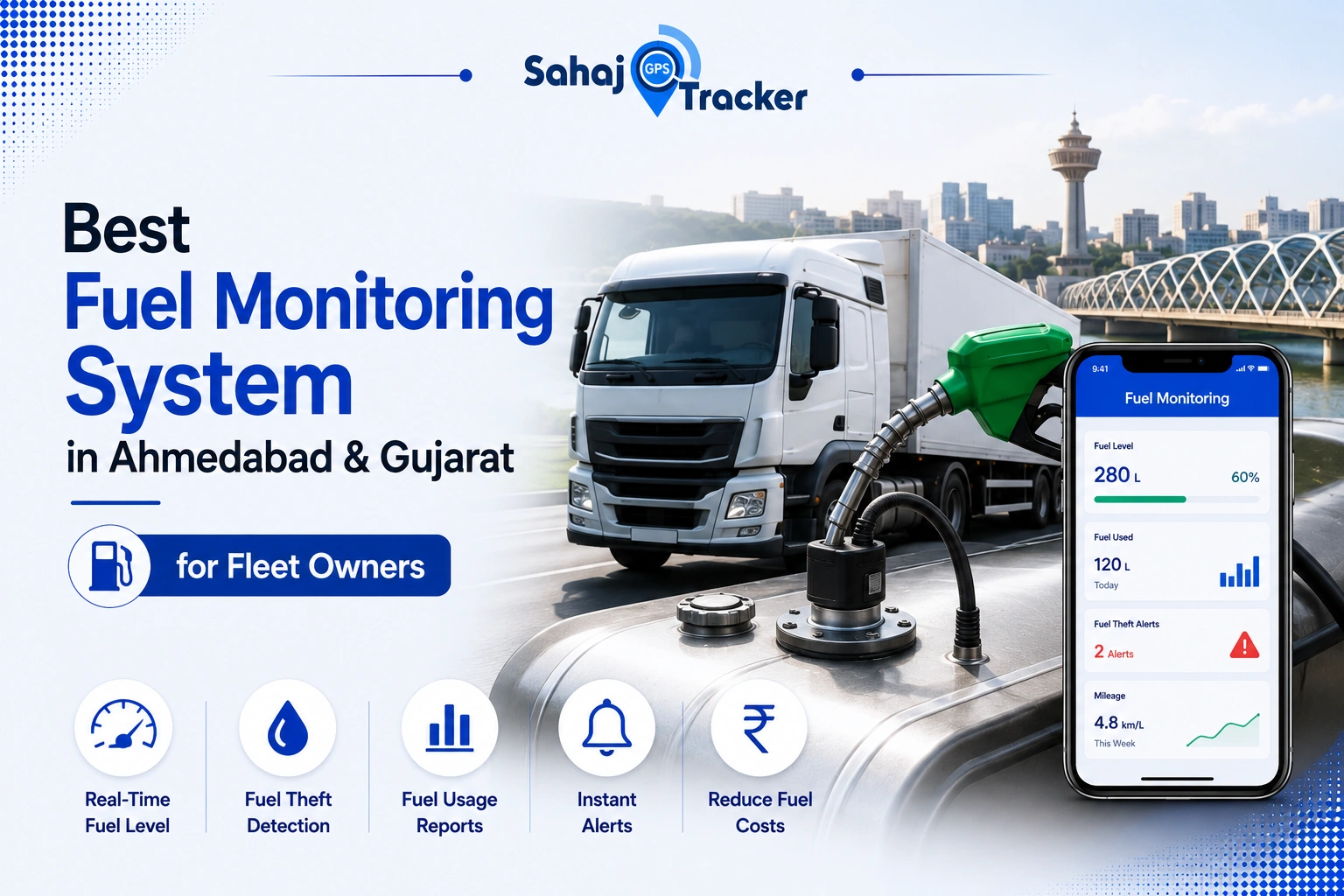
Fuel is one of the biggest operating expenses for any fleet. Whether you manage delivery vans, trucks, buses, construction vehicles, or service cars, even a small amount of fuel wastage every day can turn into a significant monthly cost. That’s one reason many transport businesses are now searching for the best fuel monitoring system in Ahmedabad instead of relying on manual fuel logs. A reliable monitoring solution provides accurate fuel data, helps detect unusual fuel loss, and gives fleet owners greater confidence that every litre is being used where it should be.
Best Fuel Monitoring System in Ahmedabad Helps Fleet Owners Control Costs
Ask any fleet owner about rising operational expenses, and fuel will almost always be part of the conversation. Prices fluctuate, routes change, traffic increases, and vehicles spend time idling. All of these factors affect fuel consumption, but many businesses still have limited visibility into where fuel is actually being used.
A modern fuel consumption monitor changes that. Instead of waiting for monthly fuel bills, managers receive continuous information about vehicle fuel levels, driving patterns, and overall usage. This allows businesses to identify problems early instead of discovering unexpected costs after they have already affected profitability.
The biggest advantage isn’t simply collecting data. It’s making better decisions based on accurate information every single day.
Why Manual Fuel Records Are No Longer Enough
Many businesses still compare fuel bills against kilometres travelled and assume everything is operating normally. Unfortunately, that approach rarely tells the complete story.
Vehicles may spend excessive time idling, drivers may follow longer routes, or fuel may be consumed inefficiently because of harsh driving habits. Sometimes fuel discrepancies occur gradually, making them difficult to notice until expenses increase substantially.
With real-time fuel level monitoring, fleet managers no longer depend on assumptions or handwritten records. Instead, they receive continuous visibility into fuel levels, allowing them to identify unusual activity much sooner.
How Fuel Monitoring Improves Fleet Efficiency
Fuel management isn’t only about preventing losses. It also helps improve the overall efficiency of fleet operations.
For example, when businesses monitor fuel usage tracking, they often notice repeated patterns. Certain routes consistently consume more fuel because of heavy traffic. Some vehicles spend longer idling during deliveries. Others may require maintenance because fuel efficiency gradually declines.
Having access to this information allows managers to adjust routes, schedule servicing, and coach drivers before small inefficiencies become expensive operational problems.
Many fleet operators implementing Sahaj GPS find that better fuel visibility naturally leads to smarter fleet management decisions rather than simply producing more reports.
Real-Time Monitoring Makes Daily Decisions Easier
Imagine receiving an alert when fuel levels suddenly drop while a vehicle is parked. Instead of discovering the issue days later, managers can immediately verify what happened.
Or consider dispatch teams choosing between two vehicles for a long-distance delivery. With access to current fuel information, selecting the most suitable vehicle becomes much easier.
Small operational improvements like these happen every day when businesses have access to real-time fuel level monitoring rather than depending on manual updates.
Why Fleet Owners Across Gujarat Are Adopting Fuel Monitoring
Transport businesses across Ahmedabad, Surat, Vadodara, Rajkot, and other cities continue expanding as logistics demand grows. At the same time, fuel expenses remain one of the largest operational challenges.
This is why interest in a reliable fuel monitoring system in Gujarat has increased across industries including logistics, construction, manufacturing, school transportation, and field services.
Accurate fuel information helps businesses improve budgeting, reduce unnecessary operating costs, and maintain better visibility over fleet performance without increasing administrative workload.
Many organisations using Sahaj GPS appreciate that fuel monitoring works alongside GPS tracking, making it easier to understand both vehicle movement and fuel consumption from one central platform.
Fuel Usage Tracking Helps Reduce Hidden Operational Losses
One of the biggest advantages of digital fuel monitoring is that it highlights issues that often go unnoticed during normal operations. A vehicle may consume more fuel because of frequent idling, poor route planning, unnecessary detours, or delayed maintenance. Without proper data, these problems continue for weeks before anyone realises what is happening.
With continuous fuel usage tracking, fleet managers can compare vehicle performance, identify inefficient driving habits, and improve route planning based on actual operating conditions. Over time, these small improvements help reduce fuel expenses while increasing overall fleet productivity.
Choosing the Right Fuel Monitoring Solution
Not every monitoring platform delivers the same level of accuracy. Before investing, fleet owners should evaluate how the system collects fuel data, how frequently information updates, and whether reports are easy to understand.
A reliable solution should provide real-time fuel level monitoring, detailed usage reports, alert notifications, trip history, and integration with GPS tracking. These features help businesses manage daily operations more effectively instead of simply recording fuel data.
Many businesses choose Sahaj GPS because it combines fuel monitoring with fleet visibility, allowing managers to monitor both vehicle movement and fuel performance from one platform without switching between different systems.
Features Every Fleet Owner Should Look For
Selecting the right solution becomes easier when you focus on practical business requirements rather than long feature lists.
Look for accurate fuel sensors, automatic alerts, historical fuel reports, mobile access, trip history, driver behaviour reports, and dashboards that are simple enough for daily use. A dependable fuel consumption monitor should also help identify unusual fuel drops, monitor vehicle efficiency, and provide insights that support better operational decisions.
Businesses planning long-term fleet expansion should also ensure the platform can easily support additional vehicles without requiring major system changes.
Common Mistakes Businesses Make
Many fleet owners purchase monitoring systems only after fuel expenses become a serious concern. Waiting until costs increase usually means businesses have already lost valuable time and money.
Another common mistake is reviewing fuel reports only once a month. Fuel monitoring works best when managers check data regularly, identify unusual patterns early, and respond before minor issues become expensive operational problems.
Some organisations also focus only on total fuel usage instead of understanding why consumption changes. Looking at vehicle movement, idle time, route efficiency, and maintenance together provides a much clearer picture of fleet performance.
Building a More Efficient Fleet
Fuel costs will always remain a major part of fleet operations, but unnecessary fuel loss doesn’t have to be accepted as normal. Businesses that monitor fuel accurately gain better visibility into vehicle performance, improve driver accountability, and make smarter operational decisions based on real information.
Whether managing logistics vehicles, construction equipment, service fleets, or commercial transport across Ahmedabad and Gujarat, investing in reliable fuel monitoring supports long-term savings and improved efficiency.
Businesses using Sahaj GPS often discover that accurate fuel insights not only reduce operating costs but also strengthen fleet planning, improve maintenance scheduling, and create more efficient daily operations. Sometimes the simplest way to increase profitability isn’t adding more vehicles—it’s managing fuel far more intelligently.
FAQs
1. What is the best fuel monitoring system in Ahmedabad?
The best fuel monitoring system in Ahmedabad provides accurate fuel data, real-time alerts, detailed reports, and GPS integration to help businesses reduce fuel wastage and improve fleet efficiency.
2. How does a fuel consumption monitor work?
A fuel consumption monitor tracks fuel levels and vehicle usage, helping fleet owners identify excessive consumption, unusual fuel drops, and inefficient driving patterns through real-time data.
3. Why is real-time fuel level monitoring important?
Real-time fuel level monitoring helps businesses detect sudden fuel loss, improve operational visibility, reduce theft risks, and make faster decisions based on accurate fuel information.
4. Can fuel usage tracking reduce fleet operating costs?
Yes. Fuel usage tracking identifies inefficient routes, excessive idling, poor driving habits, and unusual fuel consumption, allowing businesses to reduce fuel expenses and improve fleet productivity.
5. Why do businesses use a fuel monitoring system in Gujarat?
A fuel monitoring system in Gujarat helps fleet owners control fuel expenses, improve vehicle efficiency, monitor fuel usage accurately, and manage growing commercial fleets with greater confidence.