

If you run commercial vehicles in India, you’ve definitely heard “AIS 140” thrown around at the RTO or in some transport association WhatsApp group, usually followed by confusion. And now there’s a newer question floating around too- does an AIS 140 fuel sensor actually fall under the compliance mandate, or is that a separate thing entirely that vendors are just bundling in to sell you more hardware? Fair question, honestly, and one that trips up a lot of fleet owners right now.
Short answer- they’re related but not the same thing. Let me actually unpack this properly instead of just throwing more jargon at you.
What AIS 140 Actually Requires (No Fluff)
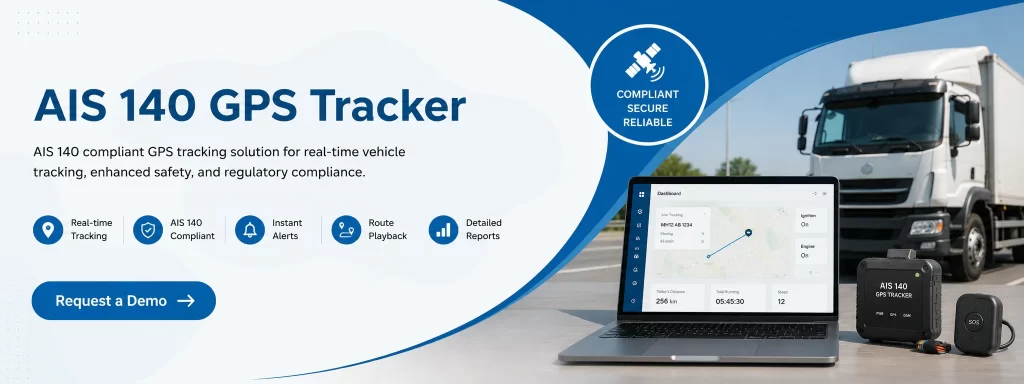
AIS 140 is a technical standard from ARAI, notified under MoRTH, and it governs Vehicle Location Tracking Devices– VLTDs- fitted in commercial vehicles. At its core, it mandates GPS (paired with NavIC now, non-negotiable since 2021), a panic button, tamper-proof casing, and dual data transmission to government servers. That’s the legal skeleton of it. Nowhere in the base standard does it say “you must install a fuel sensor.” Genuinely, it doesn’t.
So why does everyone keep pairing the two terms together then?
Why Fuel Sensors Get Bundled With AIS 140 Talk
Because practically speaking, once you’re already installing a compliant VLTD in your vehicle, adding a fuel sensor on top makes so much operational sense that most vendors- and honestly most fleet owners themselves- treat it as part of the same conversation. You’re already paying for installation, already running wiring, already dealing with the RTO paperwork. Skipping the fuel sensor at that point is like buying a new phone and skipping the case. Technically optional, practically silly.
The Real Deadline Situation Fleet Owners Should Know
MoRTH set October 31, 2025, as the compliance deadline for commercial vehicles registered before January 2025. Anything registered after that date needs the device fitted right at registration. Enforcement’s gotten teeth too now- ANPR cameras at toll booths, automated checks tied to fitness certificate renewals, and in some states, courts have directly pushed enforcement forward. It’s not the kind of thing you can quietly ignore anymore, not in 2026.
What Happens If You Skip It
Fines, permit suspension, and in some cases the vehicle just gets remotely flagged as non-compliant at the next fitness check. Contracts increasingly demand proof of compliance too- school transport tenders, logistics contracts, government work. Miss this, and you’re not just risking a fine, you’re risking business you already have.
Where Fuel Tracking Fits Into the Bigger Picture
Here’s the thing that most AIS 140 explainers skip entirely- the compliance device and your fuel visibility are two different data streams, but they run on the same physical hardware setup. A GPS fuel tracking system essentially layers fuel sensors onto your existing compliant tracker, feeding fuel-level and consumption data into your fleet dashboard alongside location data. Same box under the hood, more useful information coming out of it.
Capacitive vs Ultrasonic- Which Sensor Type Actually Works Better
Quick note here because people ask this constantly. Capacitive sensors are cheaper, reliable for most standard tanks, and honestly fine for the majority of Indian fleets. Ultrasonic sensors cost more but give slightly better accuracy for irregularly shaped tanks- think tankers or specialized equipment. Neither is “wrong,” it really depends on your vehicle type and budget.
Fuel Consumption Monitoring System- Why Fleet Owners Actually Care
Let’s be real for a second- diesel isn’t cheap, and it hasn’t been for years now. A fuel consumption monitoring system tracks how much fuel each vehicle actually burns per trip, per route, per driver even. That last bit matters more than people realize. Two drivers running the identical route can burn noticeably different amounts of fuel depending on braking habits, idling, acceleration style. Without data, you’re just guessing who’s costing you money.
The Idling Problem Nobody Talks About Enough
Idling quietly eats fuel budgets in ways that don’t show up until you actually measure it. A truck sitting at a loading dock with the engine running for forty-five minutes, multiplied across a fleet of thirty vehicles, over a month- that adds up to a genuinely painful number. Fuel monitoring makes this visible instead of invisible, which sounds obvious but changes behavior fast once drivers know it’s being tracked.
Fuel Theft Control System- The Part Everyone Underestimates
Fuel theft is one of those things fleet owners suspect is happening but rarely have hard proof of, until they actually install a proper fuel theft control system. Sudden fuel level drops that don’t match distance travelled get flagged instantly- that’s basically the core mechanism. No more relying on driver logs that may or may not be accurate, or discovering shortfalls weeks later during a routine audit.
This is genuinely one of the areas where Sahaj GPS has built a strong reputation- combining AIS 140 compliant tracking hardware with integrated fuel sensors so fleet owners aren’t managing two separate systems or juggling two vendors for what’s essentially one installation job.
Common Mistakes Fleet Owners Make Here
Buying a “cheap” AIS 140 device without fuel sensor compatibility, then discovering months later they can’t easily retrofit one without significant rewiring. Or assuming any GPS box automatically includes fuel monitoring, when actually the sensor is a separate physical component that needs to be specified upfront. Small oversight, expensive fix later.
Choosing the Right Combined Setup for Your Fleet
If you’re deploying new vehicles or upgrading old GPS units to meet the 2025-2026 AIS 140 requirements anyway, this is honestly the smartest moment to add fuel sensors at the same time. Installation crews are already there, wiring’s already being handled, and the incremental cost is far lower than doing it as a separate project six months down the line.
Sahaj GPS and a handful of other established Indian providers offer this as a combined deployment- ARAI-certified compliance hardware plus fuel monitoring in one install, one dashboard, one point of contact for support. Makes life considerably easier than chasing two vendors for two invoices.
A Quick Word on ROI, Because Everyone Asks
Fleet owners running a modest fleet of thirty to forty trucks, each burning meaningful diesel monthly, often see fuel savings of ten to fifteen percent within a few months just from visibility alone- theft prevention, idle reduction, driver accountability combined. That’s not a guaranteed number, obviously results vary by fleet and driving conditions, but it’s a realistic ballpark that makes the sensor addition pay for itself fairly quickly.
Where This Leaves You
AIS 140 compliance itself won’t force you to install a fuel sensor- that part’s your call, not the law’s. But given you’re already investing in compliant hardware anyway, skipping the fuel visibility layer feels like leaving money on the table, genuinely. Talk to your provider, whether that’s Sahaj GPS or another certified vendor, about bundling both at install time rather than treating them as separate future projects.
FAQs
Q1. Is a fuel sensor mandatory under AIS 140 compliance rules?
No, AIS 140 mandates GPS tracking, panic buttons, and data transmission only. Fuel sensors are an optional add-on most fleet owners choose separately for cost control.
Q2. How much does adding a fuel sensor to an AIS 140 device cost?
Costs vary by sensor type and tank size, typically adding a few thousand rupees per vehicle when installed alongside compliant GPS hardware during the same setup visit.
Q3. Can I retrofit a fuel sensor onto my existing AIS 140 device?
Usually yes, though compatibility depends on your current hardware. Some older devices require rewiring or replacement to properly support fuel sensor integration.
Q4. What’s the difference between capacitive and ultrasonic fuel sensors?
Capacitive sensors are cheaper and reliable for standard tanks. Ultrasonic sensors cost more but offer better accuracy for irregularly shaped tanks like tankers.
Q5. How quickly can fuel monitoring reduce fleet fuel costs?
Many fleet owners notice measurable savings within a few months through reduced idling, theft prevention, and improved driver accountability, though results vary by fleet size and conditions.