
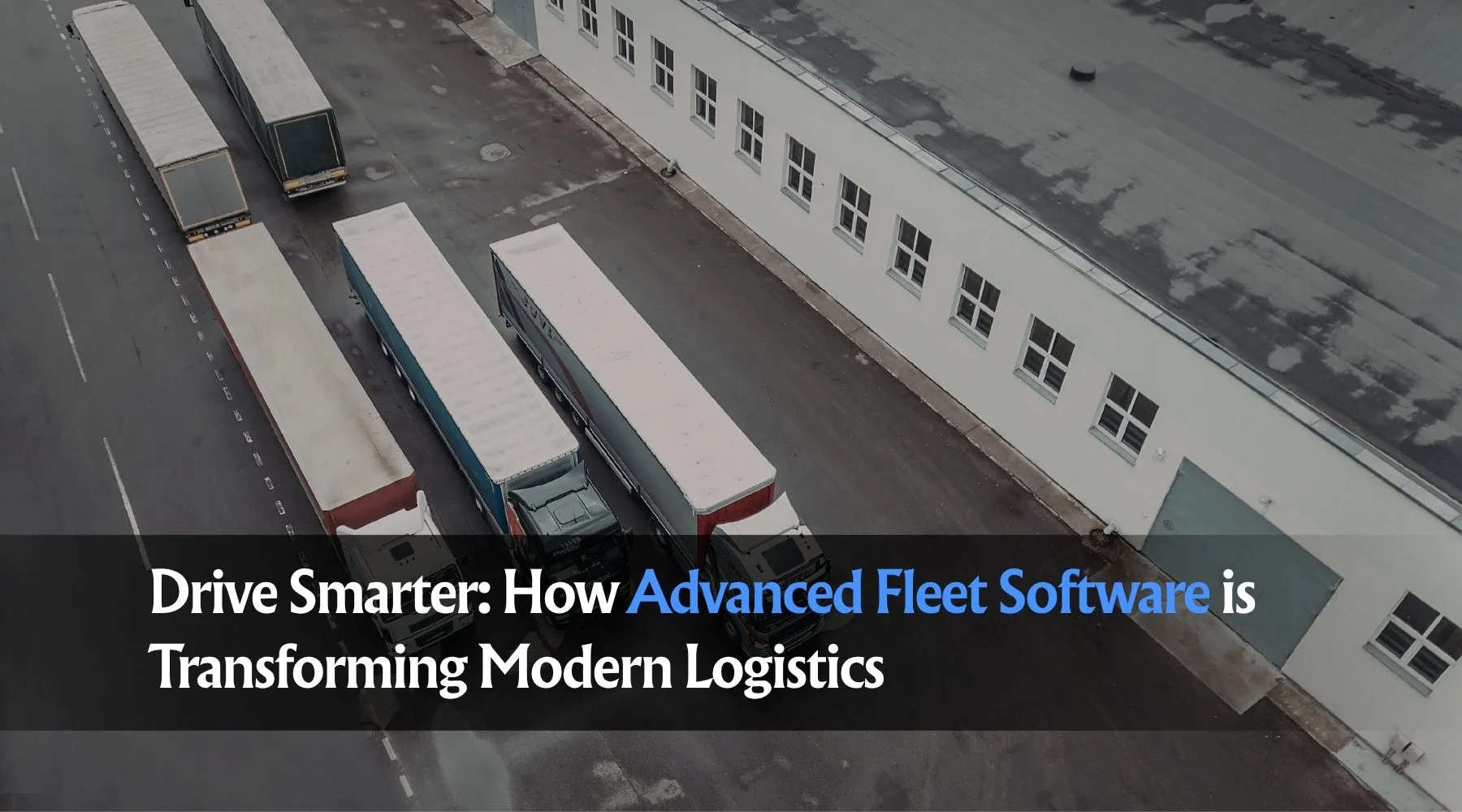
The logistics industry has changed dramatically over the last few years. Faster deliveries, rising customer expectations, increasing fuel prices, and growing operational costs have made fleet management far more demanding than it was before. Businesses are no longer judged only by how quickly they deliver goods but also by how efficiently they manage vehicles, drivers, and resources throughout the entire supply chain. Relying on manual processes or basic GPS tracking is no longer enough to meet these expectations.
This is where advanced fleet software is transforming modern logistics. By combining real-time tracking, intelligent analytics, fuel monitoring, driver performance insights, and predictive maintenance into one platform, businesses gain complete visibility over their fleet operations. Instead of reacting to problems after they occur, they can identify inefficiencies early, optimise daily operations, and make smarter decisions that improve productivity while reducing operating costs.
Why Modern Logistics Needs Smarter Fleet Management
Managing a logistics fleet today involves much more than dispatching vehicles from one location to another. Businesses must coordinate deliveries, monitor vehicle performance, manage fuel expenses, ensure driver safety, and provide customers with accurate delivery updates—all while maintaining operational efficiency.
Without the right technology, these responsibilities become increasingly difficult to manage. Delayed deliveries, poor route planning, excessive idle time, and limited operational visibility can quickly affect customer satisfaction and profitability. Advanced fleet software simplifies these challenges by bringing every aspect of fleet management together within a single digital platform.
What Makes Advanced Fleet Software Different?
Traditional vehicle tracking systems mainly focus on showing a vehicle’s location. While location tracking remains essential, modern logistics requires deeper operational intelligence to improve efficiency across the entire fleet.
Advanced fleet software combines GPS tracking with real-time analytics, fuel monitoring, vehicle diagnostics, driver behaviour analysis, route optimisation, maintenance management, and automated reporting. This integrated approach enables businesses to monitor fleet performance continuously while making data-driven decisions that improve productivity and reduce unnecessary costs.
Key Ways Advanced Fleet Software Is Transforming Logistics
Real-Time Fleet Visibility
Having complete visibility over every vehicle allows logistics managers to make faster and more informed decisions throughout the day. Live vehicle tracking enables dispatch teams to monitor deliveries, respond quickly to unexpected delays, and allocate nearby vehicles whenever urgent customer requests arise.
Real-time visibility also improves communication between drivers, dispatchers, and customers by providing accurate delivery updates and reducing uncertainty during transportation.
Smarter Route Optimisation
Choosing the shortest route does not always result in the most efficient journey. Traffic congestion, road closures, repeated diversions, and poor planning can increase delivery times while consuming additional fuel.
Advanced fleet software continuously analyses travel patterns and recommends more efficient routes based on current road conditions. Better route planning reduces travel distance, improves vehicle utilisation, lowers fuel consumption, and enables drivers to complete more deliveries within the same working day.
Intelligent Fuel Monitoring
Fuel remains one of the largest operational expenses for logistics businesses. Small inefficiencies such as excessive idling, harsh driving, unnecessary detours, or fuel misuse often remain unnoticed without proper monitoring.
Advanced fleet software provides detailed fuel consumption reports that help managers identify where fuel is being wasted. With better visibility into driving behaviour and vehicle performance, businesses can reduce fuel costs, improve operational efficiency, and build more sustainable fleet operations.
Video Telematics for Safer Fleet Operations
Driver safety has become a major priority for logistics companies. Road accidents not only create financial losses but also disrupt deliveries and damage customer confidence.
Video telematics combines camera footage with vehicle data to provide a complete picture of driving behaviour and road incidents. Fleet managers can identify unsafe driving habits, investigate incidents more accurately, and provide targeted driver coaching based on real evidence rather than assumptions.
This proactive approach strengthens driver accountability, reduces accident risks, and helps businesses improve overall fleet safety.
TPMS Integration for Preventive Maintenance
Tyre condition plays a significant role in vehicle safety, fuel efficiency, and maintenance costs. Incorrect tyre pressure increases fuel consumption, accelerates tyre wear, and raises the risk of unexpected breakdowns during transportation.
Integrating Tyre Pressure Monitoring System (TPMS) sensors with advanced fleet software allows managers to monitor tyre pressure in real time. Instant alerts enable maintenance teams to address tyre-related issues before they become expensive repairs, helping businesses minimise downtime while extending tyre life.
Make Faster Decisions with Real-Time Insights
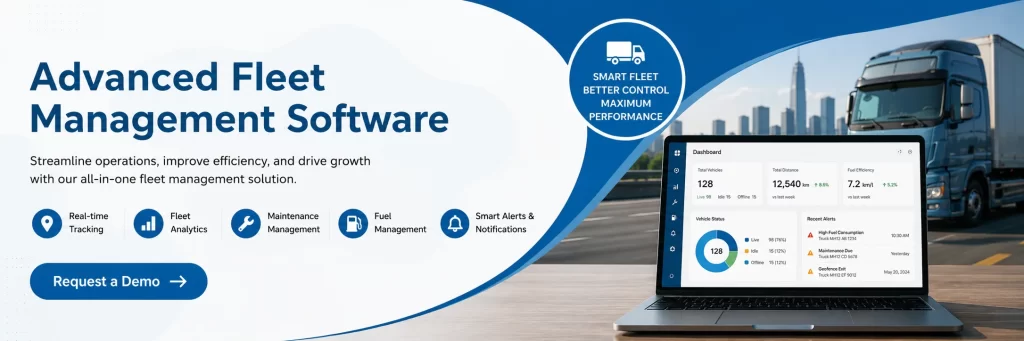
One of the biggest strengths of advanced fleet software is its ability to convert operational data into meaningful business insights. Instead of waiting until the end of the day or relying on manual reports, fleet managers receive live information about vehicle movement, fuel consumption, driver performance, route progress, and maintenance status through a single dashboard.
Having access to real-time data enables businesses to respond immediately to changing situations. Whether it involves rerouting a vehicle due to traffic, assigning a nearby driver to an urgent delivery, or addressing a maintenance issue before it causes a breakdown, faster decision-making helps improve efficiency across the entire logistics operation.
Centralised Fleet Management
Managing multiple vehicles, drivers, and deliveries becomes significantly easier when every piece of information is available in one platform. Advanced fleet software eliminates the need to switch between different systems by bringing tracking, reporting, maintenance, and operational monitoring together.
This centralised approach improves coordination between dispatch teams, fleet managers, and drivers while reducing administrative workload and improving overall operational control.
Data-Driven Performance Optimisation
Fleet managers no longer have to rely on assumptions when evaluating operational performance. Advanced reporting helps businesses analyse driver productivity, vehicle utilisation, route efficiency, fuel trends, and delivery performance over time.
These insights make it easier to identify recurring operational challenges, improve planning, and implement strategies that continuously enhance fleet performance.
Improving Efficiency Across the Entire Fleet
The true value of advanced fleet software comes from the way multiple technologies work together to improve overall logistics operations. Real-time tracking, fuel monitoring, video telematics, predictive maintenance, and intelligent reporting collectively create a connected fleet ecosystem where every operational decision is supported by accurate data.
As a result, businesses spend less time resolving avoidable issues and more time improving service quality, increasing productivity, and expanding operations. Better visibility also enables teams to work more efficiently, reducing delays while improving customer satisfaction.
Gaining a Competitive Advantage
The logistics industry continues to evolve rapidly, making operational efficiency one of the biggest competitive advantages businesses can achieve. Companies that rely on outdated processes often struggle with rising costs, delayed deliveries, and limited visibility into daily operations.
Businesses using advanced fleet software can adapt more quickly to changing customer demands, optimise resource utilisation, improve delivery accuracy, and maintain consistently high service standards. This flexibility helps organisations remain competitive while supporting long-term business growth.
How Sahaj GPS Helps Modern Logistics Businesses
Managing logistics operations requires complete visibility across vehicles, drivers, deliveries, and fleet performance. Sahaj GPS provides an advanced fleet management solution that combines live GPS tracking, intelligent route optimisation, fuel monitoring, video telematics, TPMS integration, maintenance reminders, driver behaviour analysis, and comprehensive reporting through a single easy-to-use platform.
By helping businesses reduce fuel wastage, improve vehicle utilisation, strengthen fleet safety, and optimise daily logistics operations, Sahaj GPS enables organisations to improve productivity while maintaining complete control over their transportation network.
Final Thoughts
Modern logistics is no longer driven solely by vehicles moving from one destination to another. Success now depends on how efficiently businesses manage information, optimise resources, and respond to operational challenges in real time. Advanced fleet software provides the visibility and intelligence needed to streamline every aspect of fleet management, from dispatch and route planning to fuel control and preventive maintenance.
As customer expectations continue to grow and logistics operations become increasingly complex, investing in advanced fleet software is no longer just a technological upgrade—it is a strategic business decision. Organisations that embrace smarter fleet management are better positioned to improve efficiency, reduce operating costs, strengthen customer service, and build a more resilient logistics operation for the future.
Frequently Asked Questions
What is advanced fleet software?
Advanced fleet software is a digital fleet management solution that combines GPS tracking, fuel monitoring, driver behaviour analysis, maintenance management, route optimisation, and real-time reporting to improve logistics operations.
How does advanced fleet software reduce operational costs?
It helps businesses optimise routes, reduce fuel consumption, improve vehicle utilisation, minimise maintenance expenses, and identify operational inefficiencies using real-time data and analytics.
What are the benefits of video telematics?
Video telematics improves driver safety by combining vehicle data with video footage, helping businesses monitor driving behaviour, investigate incidents accurately, provide driver coaching, and reduce accident-related costs.
Why is TPMS integration important for fleet management?
TPMS integration monitors tyre pressure continuously, helping businesses improve fuel efficiency, reduce tyre wear, prevent unexpected breakdowns, and enhance overall vehicle safety.
Is advanced fleet software suitable for all businesses?
Yes, it is scalable and can be adapted to meet the needs of both small and large logistics operations.