
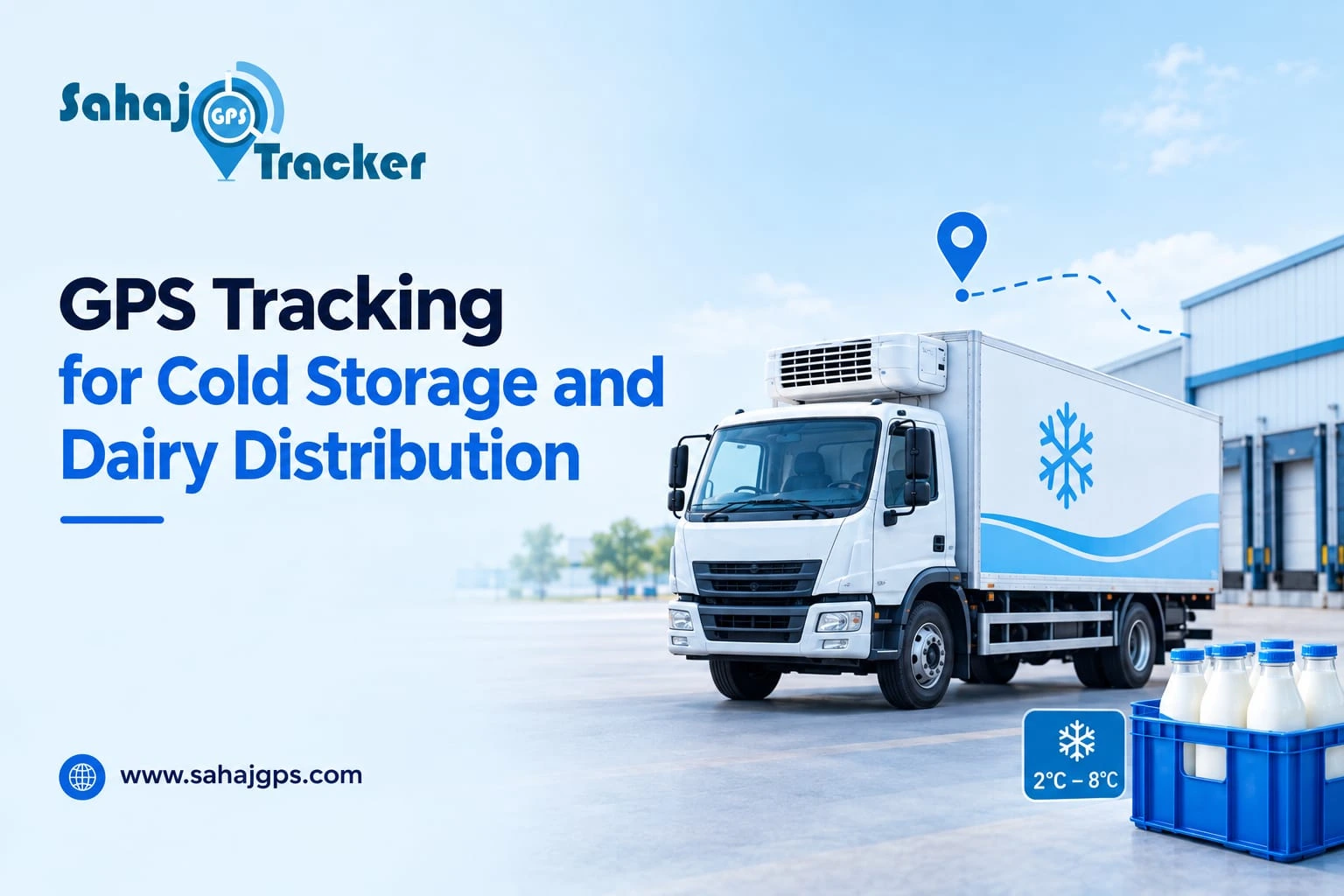
The dairy and cold storage sector depends on timely deliveries, controlled routes, and careful vehicle management. Milk and other temperature-sensitive products need to reach their destinations within specific time windows. Even a small delay can affect delivery schedules, increase fuel consumption, and create operational challenges.
This is where GPS tracking software can make daily distribution easier to manage. With dairy distribution tracking, businesses can monitor vehicles, understand delivery routes, and improve visibility across their distribution network.
A suitable cold storage vehicle GPS system can help managers track vehicles carrying temperature-sensitive goods while they are on the road. Using a live GPS tracker also provides current vehicle location information, making it easier to monitor delivery progress and respond to unexpected delays.
Why GPS Tracking Matters in Dairy Distribution
Dairy distribution usually involves multiple delivery points, frequent trips, and strict schedules. Vehicles may travel between processing facilities, cold storage locations, distributors, retailers, and other delivery points.
Without real-time visibility, managers may have limited information about a vehicle’s current location or whether it is following the planned route. This can make it difficult to respond quickly when delays or unexpected route changes occur.
A GPS tracking software solution provides location data that helps managers monitor vehicles remotely. It can make it easier to understand where vehicles are, how routes are progressing, and whether deliveries are moving according to schedule.
Improving Cold Storage Vehicle Visibility
Cold storage vehicles require careful coordination because they often carry products that need to remain within controlled conditions during transportation. While GPS tracking does not itself control product temperature, it provides useful visibility into vehicle movement and journey duration.
Monitoring Vehicle Locations
A live GPS tracker allows fleet managers to view vehicle locations while deliveries are in progress. This can help them coordinate with drivers and provide more accurate delivery updates.
When several vehicles are operating simultaneously, having centralized location information can make daily fleet supervision more practical.
Tracking Delivery Routes
Route visibility is particularly useful for dairy distribution. Vehicles may have multiple stops, and unnecessary route deviations can increase travel time and fuel usage.
A real time GPS tracker can provide current location information and help managers identify route deviations or unexpected stops. This gives the operations team an opportunity to investigate the situation and take appropriate action.
Strengthening Milk Supply Chain Tracking
Milk supply chain tracking involves monitoring the movement of milk and related products through different stages of distribution. Transportation is an important part of this process because products need to move efficiently between locations.
GPS tracking can provide better visibility into transportation activities. Managers can follow vehicles from their starting point to their delivery destinations and maintain a clearer record of vehicle movement.
With Sahaj GPS, businesses can use location-based tracking to monitor field vehicles and improve visibility across their distribution operations.
How GPS Tracking Software Supports Fleet Operations
A GPS tracking system can provide more than a vehicle’s current location. Depending on the system and configuration, businesses can use tracking information to understand route history, stops, trip duration, and vehicle movement patterns.
Better Route Monitoring
Distribution managers can compare actual vehicle movement with planned routes. If a vehicle takes an unexpected route, the team can review the situation and determine whether there was a valid operational reason.
This can be especially useful when managing several delivery vehicles across different areas.
Improved Delivery Coordination
Real-time vehicle information can help operations teams coordinate deliveries more effectively. If a delivery vehicle is delayed, managers may be able to identify the delay earlier and communicate updated information to relevant teams. This can reduce uncertainty and make the distribution process more organized.
Reduced Unnecessary Travel
Vehicle movement data can also help identify repeated route deviations, unnecessary stops, or inefficient travel patterns. Reviewing this information over time can support better route planning and potentially reduce avoidable fuel and travel costs.
Using GPS Tracking Solutions for Dairy Fleets
Every dairy distribution operation has different requirements. Some businesses may operate a small local fleet, while others may manage vehicles across multiple cities or distribution zones.
GPS tracking solutions can be configured around the operational needs of the fleet. Important considerations include the number of vehicles, delivery frequency, route complexity, monitoring requirements, and the level of reporting needed by fleet managers.
A centralized tracking platform can make it easier to monitor multiple vehicles from one location rather than relying on individual driver updates.
Real-Time Tracking for Time-Sensitive Deliveries
Dairy deliveries often operate within specific schedules. Delays can affect subsequent deliveries and create additional pressure on drivers and distribution teams.
A real time GPS tracker provides current vehicle information, allowing managers to understand the progress of active trips. This can be useful when coordinating delivery schedules or responding to unexpected delays.
For example, if a vehicle remains stationary for an unusually long period, the operations team can check the location and contact the driver when necessary. This provides greater visibility compared with managing the fleet without live location information.
Using Location Data for Better Fleet Decisions
The real value of GPS tracking comes from using collected information to improve future operations. Historical trip data can reveal patterns that may not be obvious during day-to-day fleet management.
Reviewing Route History
Route history can show which roads vehicles regularly use, where delays occur, and whether drivers frequently deviate from planned routes. Managers can use these observations when reviewing distribution plans.
Understanding Vehicle Utilization
Tracking data can also help businesses understand how frequently vehicles are being used, how long trips take, and where vehicles spend time during operations.
This information can support decisions related to scheduling, route allocation, and fleet utilization.
Improving Operational Visibility
When location information is available in one system, managers can have a clearer picture of ongoing distribution activities. This can make communication between drivers and operations teams more efficient.
Choosing the Right Tracking System
Before implementing a tracking solution, businesses should identify what they actually need to monitor. A system should provide reliable location information, an easy-to-use interface, useful reports, and features that match the fleet’s operational requirements.
For dairy and cold storage distribution, businesses should also consider how the tracking system can work alongside their existing operational processes. GPS should support the workflow rather than add unnecessary complexity.
Sahaj GPS can be used as part of a broader fleet monitoring approach where businesses need better visibility into vehicle movement, routes, and distribution activities.
Conclusion
Dairy and cold storage distribution requires careful coordination because products need to move efficiently between multiple locations. Dairy distribution tracking can give managers better visibility into vehicle movement, while cold storage vehicle GPS can help monitor transportation journeys involving temperature-sensitive products.
From live location monitoring and route tracking to trip history and fleet analysis, GPS technology can support more organized distribution operations. With suitable GPS Tracking Solutions, businesses can make better use of vehicle data and improve their understanding of day-to-day fleet movement.
Sahaj GPS provides GPS-based tracking capabilities that can help businesses monitor vehicles and manage distribution operations with greater visibility.
Frequently Asked Questions
How does GPS tracking help dairy distribution?
GPS tracking provides real-time information about vehicle locations, routes, stops, and trip progress. This can help managers coordinate deliveries, identify delays, monitor routes, and improve overall visibility across dairy distribution operations.
What is cold storage vehicle GPS?
Cold storage vehicle GPS refers to GPS-based tracking used to monitor vehicles transporting temperature-sensitive products. It primarily provides vehicle location and movement information, helping managers maintain better visibility of transportation journeys.
How does milk supply chain tracking work?
Milk supply chain tracking can involve monitoring the movement of milk from one location to another through different stages of distribution. GPS tracking can provide visibility into the transportation stage by showing vehicle locations, routes, stops, and journey progress.
Can GPS tracking reduce unnecessary vehicle travel?
GPS tracking can help identify route deviations, unnecessary stops, and inefficient travel patterns. Reviewing this information can help fleet managers improve route planning and reduce avoidable travel over time.
What should businesses look for in GPS Tracking Solutions?
Businesses should consider reliable real-time tracking, route history, reporting capabilities, ease of use, fleet scalability, and compatibility with their operational requirements. The right solution should provide useful information without making fleet management unnecessarily complicated.