
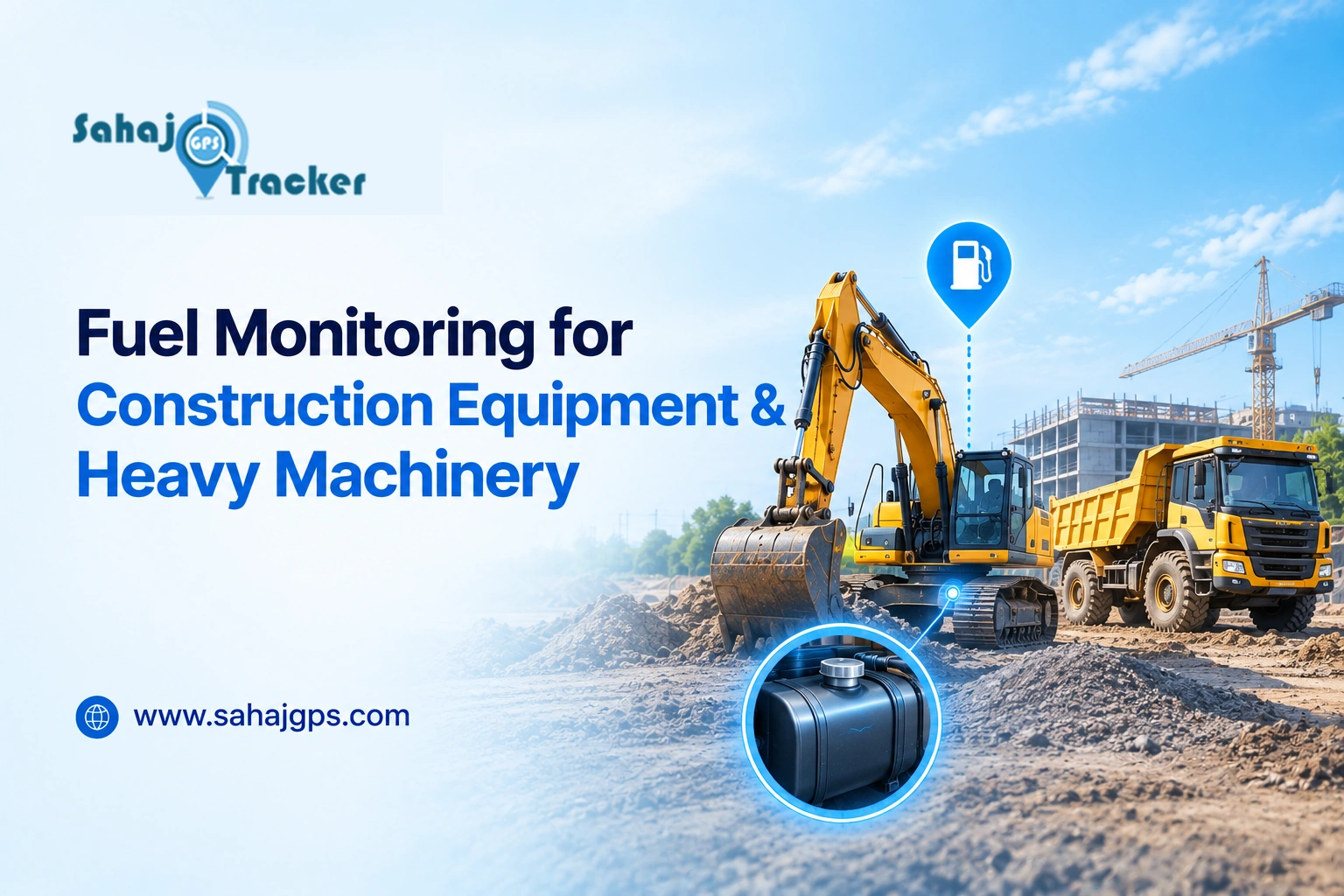
Fuel is one of the most important operating costs in construction and heavy machinery operations. Excavators, loaders, cranes, dumpers, generators, and other off-road equipment often work for long hours at construction sites, making fuel consumption an important factor in controlling daily expenses. Without proper monitoring, fuel wastage, unexpected consumption, and possible fuel theft can remain difficult to identify.
A modern fuel monitoring system gives managers better visibility into fuel levels, refueling activity, consumption patterns, and unusual changes. When fuel information is combined with equipment location and operating data, businesses can understand how their construction machinery is being used and where fuel costs can be controlled.
Why Fuel Monitoring Matters for Construction Equipment
Construction equipment operates in environments that are very different from standard road-going vehicles. Machinery may work at large project sites, remote locations, mining areas, warehouses, or infrastructure projects where regular physical inspection is not always practical.
Manual fuel records can provide basic information, but they may not show exactly when fuel levels changed or whether the recorded consumption matches actual equipment activity. A reliable Fuel Monitoring solution can provide continuous visibility and make fuel management more systematic.
Common Fuel Management Challenges
Fuel-related issues can affect both project costs and equipment efficiency. Unexpected drops in fuel level may require investigation, while excessive consumption can indicate long idle periods, inefficient operation, or other operational problems.
For managers handling several machines, checking fuel manually can also take considerable time. A digital monitoring system allows fuel information to be reviewed remotely, making it easier to understand equipment activity across different project locations.
How Excavator Fuel Monitoring Works
Excavators are among the most commonly used machines at construction sites, and their fuel consumption can vary depending on workload, operating hours, terrain, and usage patterns. Excavator fuel monitoring helps managers understand these changes by continuously measuring fuel levels through a suitable sensor.
A fuel sensor is installed with the machine’s fuel tank and records changes in fuel quantity. The collected data can then be transmitted to a monitoring platform where managers can review fuel levels and related equipment activity.
Understanding Fuel Level Changes
Fuel level information can help identify normal and unusual events. A gradual decrease during machine operation may represent normal consumption, while a sudden drop when the equipment is parked could require further investigation.
Similarly, an increase in fuel level can indicate refueling. Comparing refueling activity with internal records can help businesses maintain more accurate fuel information.
This makes a construction machinery fuel sensor an important component for businesses that want better control over fuel usage and equipment operations.
Heavy Equipment Fuel Tracking for Better Visibility
Managing heavy machinery becomes more complicated when equipment is spread across multiple sites. Managers may need to monitor excavators, loaders, cranes, generators, and other construction equipment while also keeping track of project schedules and operating costs.
A heavy equipment fuel tracking solution provides a centralized way to review fuel-related information. Instead of depending only on manual readings, managers can analyze fuel data and compare consumption between machines operating under similar conditions.
Identifying Unusual Fuel Consumption
Not every increase in fuel consumption indicates theft or misuse. A machine working under heavier loads may naturally consume more fuel than another machine performing lighter work. This is why fuel data should be reviewed alongside operating hours, machine activity, and location information.
Sahaj GPS can help businesses bring equipment tracking and fuel-related information together so managers have better context when reviewing unusual fuel activity. Historical data can also help establish normal consumption patterns for individual machines.
When a machine consistently consumes more fuel than expected, managers can investigate whether idle time, operating conditions, maintenance requirements, or another factor may be responsible.
Benefits of a Fuel Monitoring System
For construction companies managing multiple machines, accurate fuel data can make daily operations easier to control.
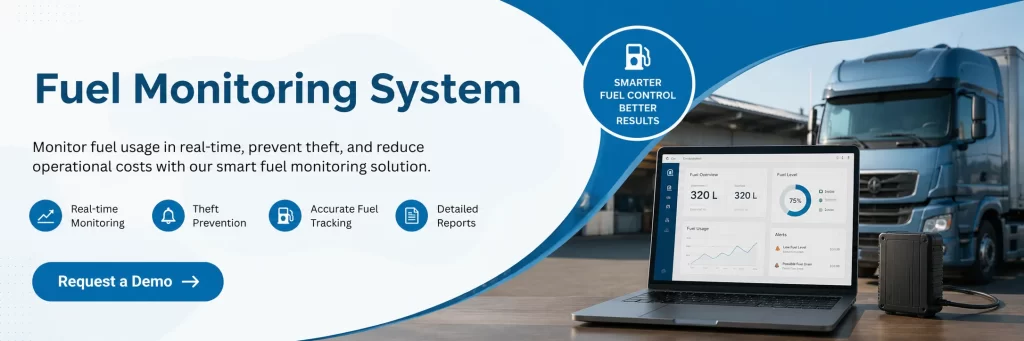
A gps fuel monitoring system solution provides continuous visibility into fuel levels and usage, helping managers notice unusual consumption, sudden fuel drops, or possible fuel loss. This makes it easier to monitor excavators, loaders, generators, and other heavy equipment without depending only on manual fuel checks.
Better Fuel Cost Control
Fuel consumption directly affects the running cost of heavy machinery. By monitoring consumption over time, managers can identify machines with higher-than-expected usage and review their operating patterns.
Detection of Unexpected Fuel Loss
Sudden fuel-level changes can be identified more easily when fuel monitoring is continuous. When an unusual event occurs, managers can review the machine’s location and operating activity to understand what happened.
Remote Monitoring of Construction Machinery
Construction equipment may operate far away from the main office. Remote monitoring allows managers to review important fuel information without needing to physically visit every machine at regular intervals.
Improved Equipment Management
Fuel data can also provide useful information about equipment usage. When consumption is reviewed together with operating activity, managers can identify patterns that may indicate inefficient machine use or excessive idling.
Fuel Consumption Tracking for Construction Machinery
Every type of construction machinery has its own operating requirements. An excavator performing heavy digging work may have a different consumption pattern from a loader or generator. Therefore, fuel management should consider the machine’s normal operating conditions rather than relying on a single benchmark.
A fuel consumption tracking system allows managers to review fuel usage over different periods and compare the information with equipment activity.
Connecting Fuel Data With Equipment Activity
Fuel information becomes more useful when it is connected with other operational data. Managers can review where the equipment was operating, how long it remained active, and whether unusual fuel changes occurred during specific periods.
For example, if an excavator shows an unexpected fuel reduction while it was stationary, the manager can review its location and related activity before deciding whether the event needs investigation. It can support this type of monitoring by helping businesses maintain better visibility of equipment movement and fuel-related activity through a centralized system.
Choosing the Right Fuel Monitoring Solution
The requirements of a construction company can vary depending on the type of equipment, tank design, project environment, and number of machines being monitored. A suitable Fuel Monitoring solution should therefore be selected according to actual operational needs.
The accuracy of fuel measurement is particularly important because construction machinery can experience movement, vibration, uneven terrain, and changing operating conditions. Proper sensor installation and configuration can help ensure that the collected information is useful for analysis.
Important Considerations for Heavy Machinery
Businesses should consider whether the monitoring setup can provide reliable fuel-level information, support the required equipment types, and deliver data consistently from project locations. Historical reporting is also useful because it allows managers to compare present consumption with previous operating patterns.
Integration with location tracking can provide additional context during fuel investigations. Sahaj GPS can help businesses monitor their equipment activity while reviewing fuel information, giving managers a more complete understanding of heavy machinery operations.
Building Better Fuel Management Practices
Technology alone does not solve every fuel management problem. Businesses also need clear processes for refueling, equipment inspection, reporting, and investigation. When monitoring data is combined with proper operational records, managers can make more informed decisions.
A practical fuel management approach begins with understanding normal consumption for each machine. Managers can then compare actual usage against those patterns and investigate significant differences.
Over time, this creates a useful history of equipment performance. It can help identify recurring fuel issues, inefficient operating practices, and machines that may require closer attention.
For companies managing multiple construction sites, Sahaj GPS can provide useful visibility that supports more structured fuel and equipment management.
Conclusion
Fuel management is an important part of controlling construction equipment costs and improving operational efficiency. A reliable fuel consumption monitoring system helps businesses track fuel usage, identify abnormal consumption, reduce fuel loss, and maintain better control over heavy machinery. With accurate fuel data and timely insights, construction companies can make better decisions and manage their equipment more efficiently.
Frequently Asked Questions
1. What is excavator fuel monitoring?
Excavator fuel monitoring uses a suitable fuel sensor to track changes in an excavator’s fuel level and consumption. It can help managers understand refueling activity, fuel usage patterns, and unexpected fuel-level changes.
2. How does heavy equipment fuel tracking help construction companies?
Heavy equipment fuel tracking provides better visibility into fuel levels, consumption, and refueling activity across construction machinery. This information can help managers identify unusual usage and improve fuel cost management.
3. Can a Fuel Monitoring System help detect fuel theft?
Yes. A Fuel Monitoring System can identify sudden or unusual changes in fuel level that may require investigation. Managers can compare these events with equipment location, operating activity, and refueling records to understand what happened.
4. What is the role of a construction machinery fuel sensor?
A construction machinery fuel sensor measures changes in the fuel level of equipment. The resulting data can help businesses monitor consumption, refueling events, and unexpected fuel-level changes.
5. Why is a fuel consumption tracking system useful for heavy machinery?
A fuel consumption tracking system helps managers understand how much fuel equipment uses over time. Reviewing this information with operating and location data can support better cost control and more efficient equipment management.