
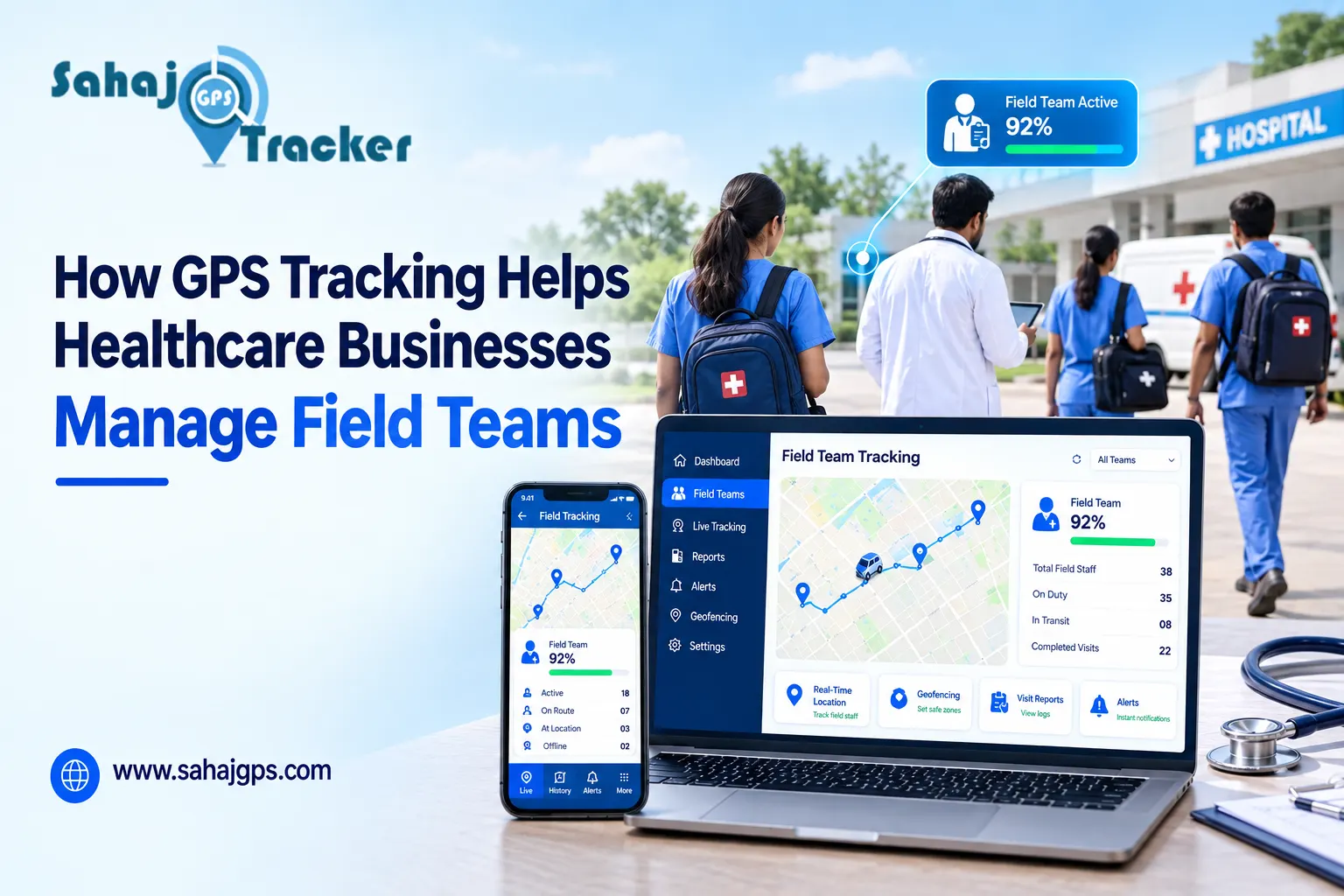
Healthcare businesses often have employees working across hospitals, clinics, laboratories, patient homes, and other service locations. Managing these teams efficiently requires more than regular phone calls and manual updates. field employee tracking software can provide businesses with better visibility into field operations, helping managers understand employee movement, coordinate assignments, and respond to changing schedules.
For healthcare organizations, timely service is especially important. Whether a team member is visiting a patient, collecting a diagnostic sample, delivering medical supplies, or providing technical support, managers need reliable information about field activities. GPS-based technology can make this process more organized while helping businesses improve productivity and operational control.
Why Healthcare Businesses Need Better Field Visibility
Healthcare field teams can cover several locations during a single working day. When managers rely completely on manual reporting, it can become difficult to know whether employees have reached their assigned destinations or how much time is being spent travelling between locations.
A GPS-enabled system provides a more structured way to monitor field operations. Managers can view relevant location information, understand travel patterns, and make informed decisions when schedules change.
This visibility can also help businesses allocate their workforce more effectively. If a new service request comes in, managers can determine which available employee is better positioned to handle it instead of contacting multiple team members individually.
Improving Employee Location Tracking
Employee location tracking software can help healthcare businesses maintain better visibility over mobile teams. It allows authorized managers to access location information and understand the movement of employees while they are carrying out assigned work.
This can be useful for businesses that manage home healthcare visits, sample collection services, equipment maintenance, field inspections, or medical deliveries. Knowing the approximate location of a field employee can make scheduling and coordination considerably easier.
The purpose of tracking should be clearly defined within the organization. When location information is used responsibly for scheduling, safety, productivity, and operational coordination, it can become a practical management tool rather than simply a monitoring mechanism.
Using Geo Fencing for Field Staff Management
Geo fencing for field staff management allows businesses to create virtual boundaries around specific geographic locations. These may include hospitals, clinics, laboratories, warehouses, offices, or designated patient service areas. When an employee enters or leaves a defined area, the system can generate an alert according to the configured settings. This can help managers keep track of important location-based activities without repeatedly calling employees for updates.
For example, a healthcare organization can create a virtual boundary around a clinic where a field employee has been assigned a visit. An alert can indicate when the employee reaches the location and when they leave. This can make routine field coordination easier and provide useful information for operational records.
Making Location-Based Monitoring More Efficient
Geofencing can be particularly helpful when several employees are visiting different locations during the same period. Instead of manually confirming every arrival, managers can use automated notifications to gain a clearer picture of field activity. It can also support better scheduling by helping businesses understand how long employees typically spend at different service locations and how much travel is involved between assignments.
Employee Live Location Tracking Software for Real-Time Decisions
employee live location tracking software provides current location visibility while employees are working in the field. This can be valuable when managers need to make quick decisions based on where their teams are currently positioned. Consider a situation where a healthcare technician has an urgent service request nearby. If managers can see the current location of available field employees, they can make a more informed assignment instead of relying only on the day’s original schedule.
Real-time information can also help when unexpected delays occur. If an employee is running late at one location, managers can adjust upcoming assignments or communicate with affected teams before the delay creates a larger scheduling problem.
Supporting Faster Healthcare Service Delivery
Many healthcare services depend on timely field visits. Delays in sample collection, patient visits, medical supply delivery, or equipment servicing can affect other parts of the operation. GPS tracking can help managers understand the current status of mobile employees and identify possible delays earlier. This does not eliminate traffic, scheduling problems, or other external challenges, but it gives managers better information for responding to them.
Sahaj GPS can support businesses that need greater visibility into their field operations and want to use location data to improve workforce coordination. With relevant information available in one place, managers can spend less time collecting manual updates and more time managing operational requirements.
Reducing Unnecessary Travel
Travel time can significantly affect field employee productivity. Poor scheduling may require employees to move repeatedly between distant locations, increasing travel time and reducing the number of assignments that can be completed. Location data can help managers understand actual travel patterns. By reviewing where employees are working and how they move between assignments, businesses can identify opportunities to improve scheduling.
For instance, geographically closer appointments may be arranged together where practical. This can reduce unnecessary travel while helping employees use their working hours more efficiently. Better route planning may also reduce transportation-related expenses, which can be valuable for healthcare businesses managing large field teams.
Monitoring Field Visits and Work Schedules
Healthcare organizations may have specific schedules for field visits. Managers need to ensure that employees can complete assigned work within expected timeframes while maintaining service quality.
GPS information can provide useful operational records about movement and location-based activity. When combined with the organization’s existing attendance and reporting procedures, this data can help managers understand whether field schedules are working effectively. Historical information can also reveal recurring patterns. If certain locations regularly cause delays or particular routes require more travel time, managers can take those factors into account when creating future schedules.
Improving Workforce Productivity
Tracking technology can help organizations identify inefficiencies without requiring managers to constantly supervise individual employees. Data about travel patterns and field activity can highlight areas where processes may need improvement.
For example, repeated long travel times between appointments could indicate a scheduling issue rather than an employee performance issue. Managers can then investigate the underlying process and make changes where appropriate. A well-planned tracking system can therefore contribute to better workforce utilization, improved scheduling, and clearer operational planning.
Protecting Employee Privacy and Data
Employee location information should be handled responsibly. Healthcare businesses should establish clear policies explaining when tracking is active, what information is collected, who can access it, and how the information is used.
Access should be limited to authorized personnel, and organizations should follow applicable privacy and data protection requirements. Transparent policies can also help employees understand the operational purpose of location tracking. Technology works best when it supports both business requirements and responsible workforce management.
Using GPS Data for Long-Term Planning
The value of GPS tracking is not limited to real-time monitoring. Historical data can help healthcare businesses identify trends across their field operations.
Managers can review travel patterns, service locations, employee movement, and scheduling efficiency over time. This information can help businesses determine where additional resources may be required and which operational processes could be improved.
If a particular service area consistently generates a high number of requests, for example, the business may consider assigning more field resources to that region. Similarly, recurring travel inefficiencies may indicate the need for a revised scheduling approach. Sahaj GPS can help businesses use location-based information as part of their broader field workforce planning strategy.
Building a More Efficient Healthcare Field Team
Effective field team management requires accurate information, clear communication, and efficient resource allocation. GPS technology can provide the visibility needed to connect these areas.
Businesses can use field employee tracking software to improve operational oversight and employee location tracking software to understand field movement. Geo fencing for field staff management can support automated location-based alerts, while Employee Live Location Tracking Software can help managers make decisions using current location information.
The right combination of features depends on the size of the workforce, type of healthcare services, number of service locations, and operational requirements.
Conclusion
Healthcare businesses need efficient ways to coordinate employees who work across multiple locations. GPS tracking can provide useful visibility into field operations while helping managers improve scheduling, reduce unnecessary travel, respond to delays, and make better use of available resources.
Field employee tracking software can support workforce coordination, while employee location tracking software provides greater visibility into mobile team activity. geo fencing for field staff management can simplify location-based monitoring, and Employee Live Location Tracking Software can provide current information when quick operational decisions are required.
When implemented with clear policies and responsible data practices, GPS tracking can become an important part of modern healthcare workforce management. Sahaj GPS can help organizations build a more organized approach to field operations, using location information to support productivity, service reliability, and smarter workforce planning.
FAQs
How can GPS tracking improve healthcare field team management?
GPS tracking provides managers with useful information about employee locations and movement. This can support better scheduling, faster task allocation, reduced travel time, and improved coordination between office and field teams.
What is field employee tracking software?
Field employee tracking software is a technology solution that helps businesses monitor the location and movement of employees working outside the office. It can support workforce coordination, scheduling, and operational visibility.
How does geo fencing help healthcare organizations?
Geo fencing for field staff management creates virtual boundaries around selected locations. Businesses can receive alerts when employees enter or leave those areas, making it easier to monitor scheduled visits and location-based activities.
Is live location tracking useful for healthcare field employees?
Yes. Employee Live Location Tracking Software can help managers understand where field employees are currently located. This can be useful when assigning urgent tasks, managing delays, or coordinating multiple appointments.
Can GPS tracking improve field workforce productivity?
GPS tracking can provide data about travel patterns, location activity, and scheduling efficiency. Businesses can use these insights to reduce unnecessary travel, improve appointment planning, and allocate field resources more effectively. Sahaj GPS can support this process by providing greater visibility into mobile workforce operations.