
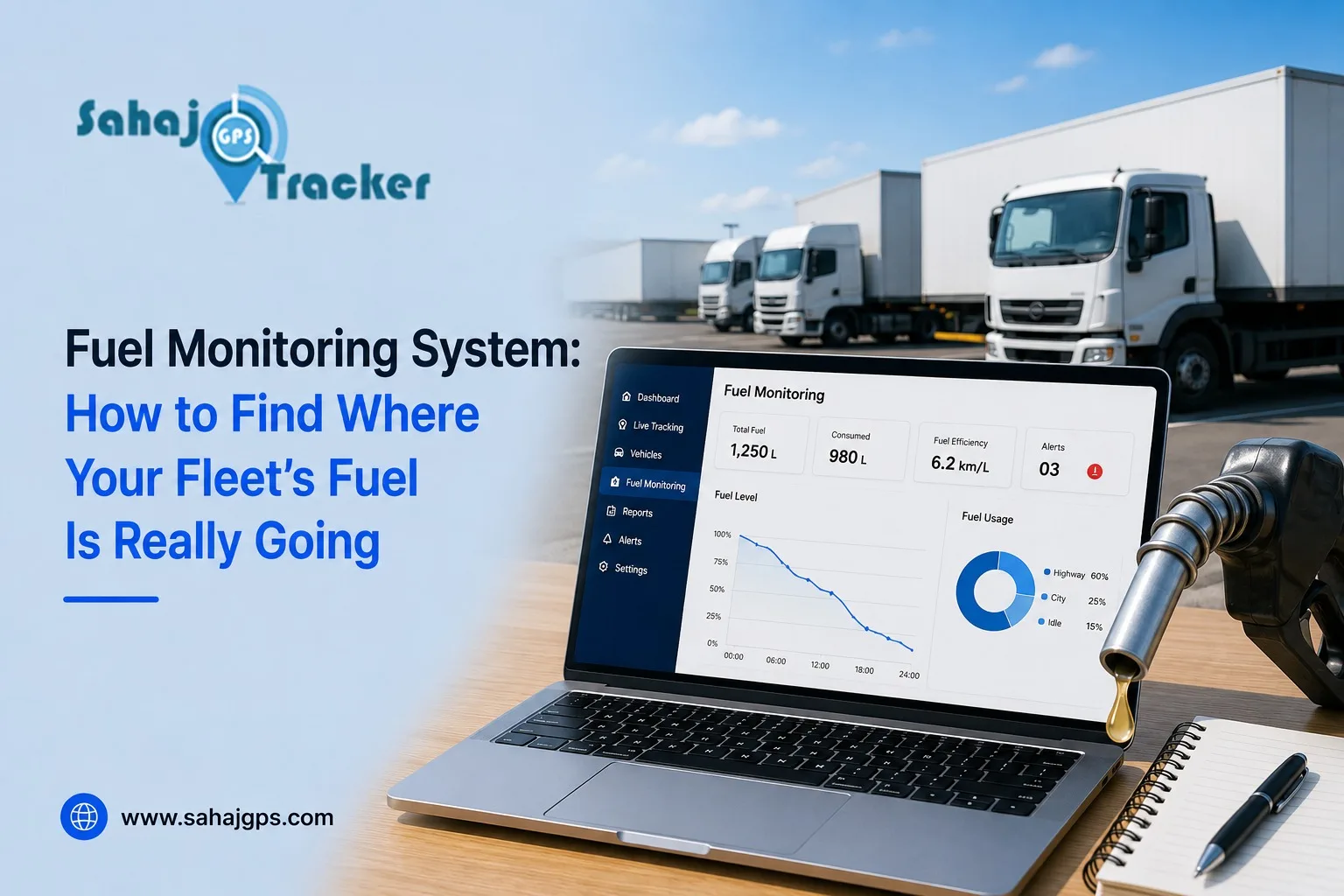
Fuel costs can quietly eat into fleet profits. A vehicle may leave the yard with a full tank, complete its deliveries and return with much less fuel than expected. But where did the extra diesel go? Was it normal consumption, traffic, idling, a longer route, or something more concerning? A fuel monitoring system helps fleet managers answer these questions with actual data instead of relying only on driver reports or manual fuel records. For businesses operating trucks, buses, delivery vans and other commercial vehicles, that extra visibility can make everyday fuel management much easier.
Why Fleet Fuel Management Is Harder Than It Looks
Fuel management sounds simple until the fleet starts growing. With five vehicles, a manager may roughly know how much each one consumes. With fifty or five hundred vehicles, things become much harder. Drivers refuel at different times, vehicles travel on different routes, traffic affects consumption and some vehicles spend long periods idling during loading or unloading.
Manual records often miss these small details. A driver may note the fuel filled in a logbook, but the record doesn’t necessarily explain how the fuel was used throughout the journey. A vehicle fuel monitoring system provides a continuous stream of fuel-related information, giving managers a clearer picture of what is happening between refuelling points.
What Is a Fuel Monitoring System?
A fuel monitoring system uses fuel-level sensors, tracking hardware and monitoring software to measure the fuel inside a vehicle’s tank. The collected information can be transferred to a centralized platform where authorized fleet managers can check current fuel levels and historical changes.
Depending on the solution, businesses can monitor fuel levels, refuelling events, consumption patterns and sudden fuel drops. This can be particularly useful for transport companies where vehicles are constantly moving between cities and fuel expenses form a large part of daily operating costs.
Sahaj GPS provides fuel monitoring solutions that help businesses gain better visibility into vehicle fuel levels and consumption through centralized monitoring.
The benefit is quite practical. Instead of depending entirely on a handwritten entry or a phone call from the driver, managers have digital information that can be reviewed whenever needed.
How Commercial Vehicle Fuel Monitoring Works
Commercial vehicle fuel monitoring can be useful for trucks, buses, delivery vehicles, tankers and other vehicles that cover significant distances every day. A fuel sensor measures the level inside the tank and sends the information to the monitoring device, which then transfers it to the tracking platform.
Imagine a delivery truck beginning its route with a full tank. During the day, it travels through several locations, waits at two warehouses and spends some time in heavy traffic. By the time it returns, the fuel level has dropped considerably. The monitoring data can help the fleet manager understand how that fuel level changed during the journey.
If everything looks normal, there may be nothing to worry about. But if the tank suddenly loses a significant amount of fuel while the vehicle is stationary, that is a different situation and deserves a closer look.
Why Continuous Fuel Monitoring Matters
A manual check tells you what the fuel level is at one particular moment. Continuous monitoring can show what happened before and after that moment. This makes it easier to identify unusual patterns.
For instance, one vehicle may consistently use more fuel than similar vehicles on comparable routes. Another may show repeated fuel-level drops while parked. Neither situation automatically proves a problem, but both give the fleet manager something specific to investigate. Sahaj GPS can support businesses with fuel-level monitoring and vehicle tracking information, helping fleet teams understand fuel usage in relation to actual vehicle activity.
Vehicle Fuel Monitoring System for Better Fuel Control
A vehicle fuel monitoring system can help fleet managers connect fuel consumption with everyday vehicle operations. This is important because fuel usage isn’t influenced by distance alone. Traffic, engine idling, vehicle load, route conditions and driving habits can all make a difference.
Consider two trucks travelling almost the same distance. One spends an extra hour waiting with the engine running at a loading point. Over a single trip, the difference may be small. Across hundreds of trips, however, that unnecessary idling can become a noticeable expense.
Fuel data can help managers spot these patterns. Instead of simply telling drivers to “use less fuel,” the business can identify where fuel is actually being consumed unnecessarily.
Fuel Level Monitoring System: More Than Checking the Tank
A fuel level monitoring system provides ongoing information about how much fuel is available in a vehicle tank. That sounds basic, but historical fuel-level information can make it much more useful.
Suppose a truck is parked at a depot overnight. The fuel level is recorded at 70% when the driver leaves the vehicle. A few hours later, the level suddenly drops even though the vehicle hasn’t moved. That event can be reviewed using the available fuel history and vehicle information.
There could be a legitimate explanation. Maybe fuel was transferred for maintenance work or the tank was accessed by authorized staff. But if there is no corresponding record, the sudden change deserves investigation.
Monitoring Refuelling Events
Refuelling is another important part of fuel management. A monitoring system can help businesses review changes in fuel levels around filling events and compare them with expected records.
If a driver reports that a certain quantity of diesel was added but the monitored fuel level shows a very different increase, the discrepancy can be checked. It doesn’t automatically mean something went wrong. Fuel tank shape, sensor readings and operating conditions can affect measurements, so the information should be reviewed carefully.
The point is simple: better records make unusual situations easier to understand.
Fuel Consumption Tracking for Fleet Cost Control
Fuel consumption tracking helps businesses understand how much fuel different vehicles are actually using. Instead of looking only at monthly fuel bills, managers can compare consumption across vehicles, routes and operating periods.
This can reveal vehicles that regularly consume more fuel than expected. Sometimes there is a perfectly reasonable explanation. A heavy-load truck will naturally use more fuel than a lighter vehicle. A city route with frequent stops can also consume more than a highway journey.
But if similar vehicles operate under similar conditions and one consistently shows unusually high consumption, it may be worth checking its maintenance condition, driving pattern or route. Sahaj GPS can help businesses maintain fuel-related information and review consumption patterns, giving fleet managers more useful data for day-to-day cost control.
Fuel Theft Detection System for Commercial Fleets
Fuel theft can create a difficult problem for fleet owners because losses may go unnoticed for days or even weeks. A fuel theft detection system can help identify sudden or unexpected changes in fuel levels and generate alerts according to configured conditions.
Detecting Sudden Fuel Drops
Imagine a vehicle reaches the company depot at 9 PM and remains parked until the next morning. At midnight, the fuel level suddenly drops. No refuelling was scheduled and the vehicle did not move.
That doesn’t automatically prove fuel theft, but it is certainly an event worth checking. Managers can review the time of the fuel drop, the vehicle’s location and other available records. If similar incidents keep occurring, the pattern becomes more meaningful. Without historical data, finding that pattern would be much harder.
Finding Fuel Wastage in Everyday Fleet Operations
Not every fuel loss is caused by theft. Sometimes the biggest savings are hidden in ordinary driving behaviour.
Excessive idling, unnecessary detours, inefficient routes and aggressive driving can all contribute to higher fuel consumption. These issues may seem insignificant when looked at individually, but repeated across a large fleet, they can become expensive.
A fleet manager might discover that several vehicles regularly idle outside customer locations while drivers wait for unloading. That information could lead to a simple operational change, such as improving delivery scheduling. Small changes. Real savings.
Combining Fuel Data With GPS Vehicle Tracking
Fuel information becomes even more useful when it is considered alongside GPS tracking. Location data can provide context for changes in fuel level.
If fuel consumption increases while a vehicle is stuck in heavy traffic, there may be a reasonable explanation. If a sudden fuel drop occurs while the vehicle is stationary at an unexpected location, the situation may need further investigation.
This combination gives managers a fuller picture. A fuel number by itself can tell you that something changed. Location and movement information can help explain what was happening at the same time. Sahaj GPS combines vehicle tracking capabilities with fuel monitoring solutions to help businesses improve visibility over vehicle movement and fuel-related activity.
Fuel Monitoring System in India: What Fleet Owners Should Check
For businesses searching for a fuel monitoring system in India, the choice shouldn’t be based only on the sensor or dashboard. Fleet owners should consider whether the system provides reliable fuel-level readings, real-time information, historical data and useful alerts.
Vehicle compatibility is important because fuel tanks differ in shape, capacity and configuration. Proper installation and calibration also matter because inaccurate readings can make fuel reports confusing rather than useful.
The software should be easy for operations teams to understand. A dashboard filled with complicated graphs may look impressive, but if a manager cannot quickly check a vehicle’s fuel level or identify a sudden drop, it isn’t doing much practical work.
Turning Fuel Data Into Better Fleet Decisions
A fuel monitoring system doesn’t reduce expenses simply by being installed. The real benefit comes from what businesses do with the information.
Fleet managers can use fuel data to identify unusual consumption, investigate suspected losses, review idling patterns and understand differences between vehicles. Over time, these observations can help improve fuel management and reduce avoidable expenses.
Sahaj GPS helps businesses use fuel and vehicle data to create better visibility across their fleet, making it easier to move away from guesswork and toward more informed fuel management. The goal isn’t to watch every litre obsessively. It is to understand where the fuel is going, notice when something doesn’t look right and have enough information to figure out why.
A Smarter Way to Understand Fleet Fuel Usage
Managing fuel becomes much easier when businesses can see what is happening instead of depending entirely on manual records. A reliable fuel monitoring system can help connect fuel-level information with vehicle activity, making it easier to understand consumption, identify unusual drops and find areas where fuel may be getting wasted.
Whether the concern is excessive idling, unexplained fuel loss, inefficient routes or simply better control over operating expenses, accurate data gives fleet managers a much stronger starting point. After all, a fuel bill tells you how much you spent. Good monitoring can help explain where that fuel actually went.
Conclusion
Managing fleet fuel becomes much easier when businesses can see what is actually happening instead of depending only on manual records and estimates. A reliable fuel monitoring system can help track fuel levels, identify unusual drops, understand vehicle efficiency and reduce unnecessary wastage. With fuel consumption tracking, fleet managers can review actual fuel usage across trips and idling periods, compare vehicle performance and make better decisions based on real data.
The real benefit comes from turning this information into action. When unusual consumption, inefficient trips or possible fuel misuse becomes visible, managers can investigate earlier and work on practical improvements. Over time, even small reductions in fuel wastage can make a noticeable difference to overall fleet operating costs.
FAQs
1. What is a fuel monitoring system for vehicles?
A fuel monitoring system uses sensors and software to track fuel levels and changes inside a vehicle tank. Depending on the solution, it can also provide consumption data, alerts and historical fuel records.
2. Can a vehicle fuel monitoring system detect fuel theft?
Yes, suitable systems can identify sudden or unusual fuel-level drops and generate alerts. Managers can compare the event with vehicle activity, location and refuelling records to investigate.
3. How does fuel consumption tracking help fleets?
Fuel consumption tracking helps businesses understand fuel usage across vehicles and routes. It can highlight unusually high consumption, excessive idling and other factors that may increase operating costs.
4. What is a fuel level monitoring system?
A fuel level monitoring system uses a sensor to measure the amount of fuel inside a vehicle tank. The information can be sent to software, allowing authorized users to check fuel levels remotely.
5. Is commercial vehicle fuel monitoring useful?
Yes. Commercial vehicle fuel monitoring can help transport and delivery fleets track fuel usage, review refuelling events, investigate unusual losses and understand consumption patterns across vehicles.