
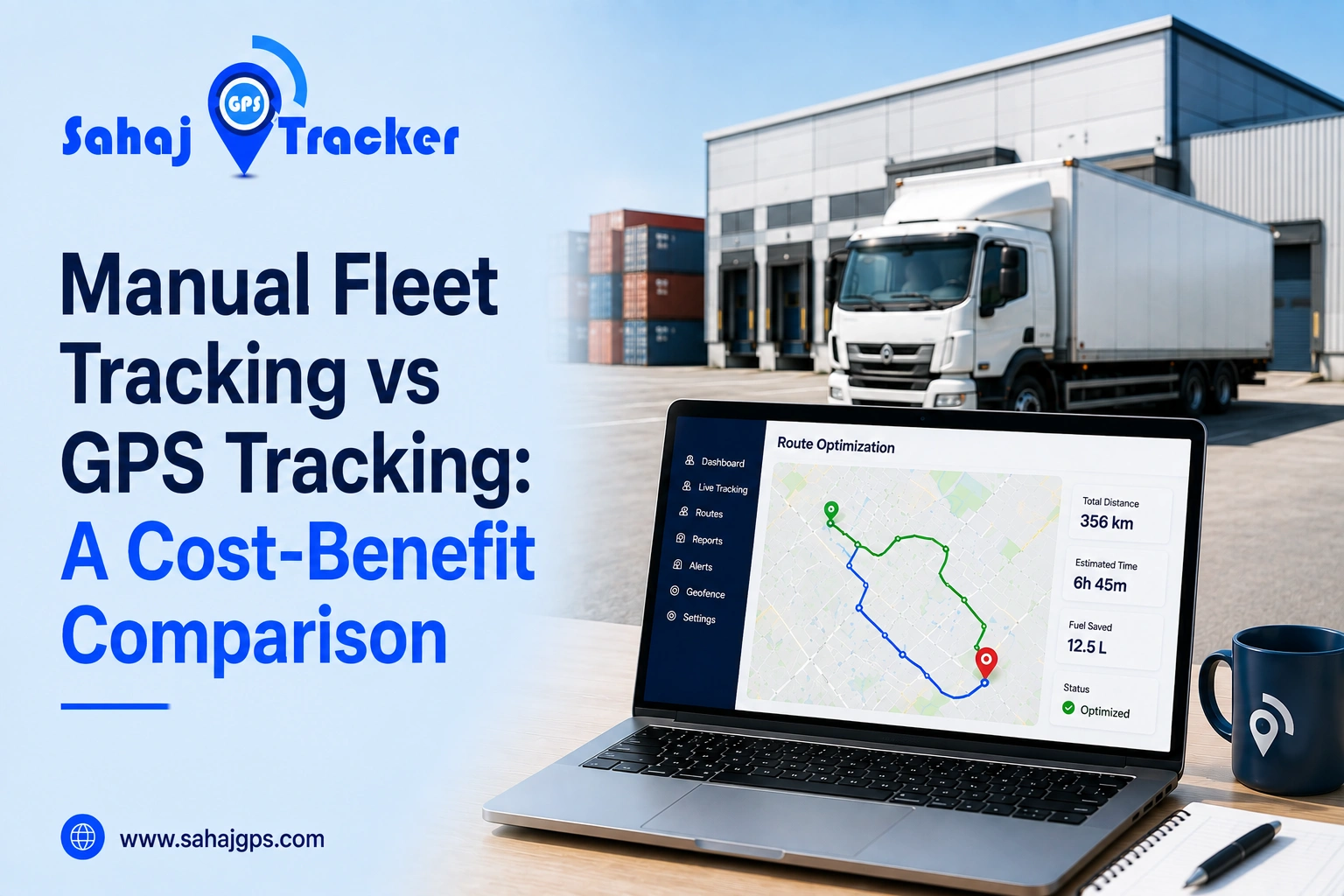
When a business has only two or three vehicles, manual tracking can seem perfectly manageable. A driver sends a WhatsApp update, someone notes the trip in a spreadsheet, and the manager makes a quick call if needed. But once the fleet starts growing, those little tasks become harder to control. This is where the comparison of manual fleet tracking vs GPS tracking becomes important. Manual tracking may look cheaper at first, but GPS tracking can provide real-time visibility, route information and useful fleet data that may save time and reduce operating costs in the long run.
What Is Manual Fleet Tracking?
Manual fleet tracking means monitoring vehicles without an automated GPS-based system. Businesses may use paper trip sheets, spreadsheets, phone calls, WhatsApp messages, driver reports or manually recorded odometer readings to keep track of their vehicles. For a small local business with predictable routes, this approach can work reasonably well. A manager may call a driver in the morning, note the delivery schedule and check again later. Nothing unusual there.
The problem starts when several vehicles are moving at the same time. One driver forgets to send an update, another takes a different route and a third vehicle gets delayed without anyone knowing about it. A customer may call asking where the delivery is, and suddenly the manager has to make several phone calls just to find one vehicle. Manual tracking isn’t necessarily bad; it simply becomes difficult to manage as the fleet and daily workload increase.
What Is GPS Fleet Tracking?
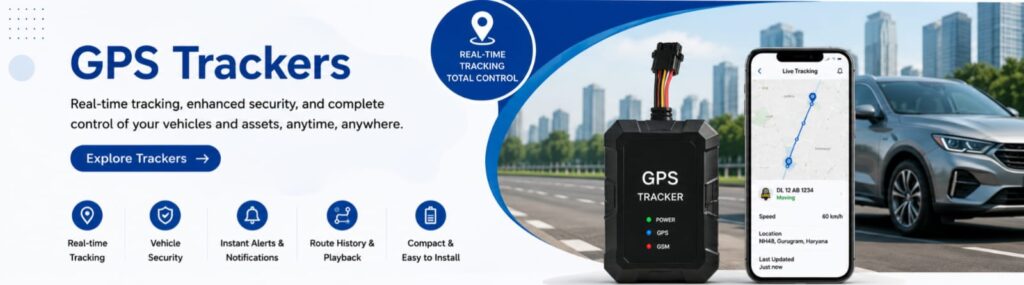
GPS fleet tracking uses GPS devices installed in vehicles to collect location information and send it to a central tracking platform. Fleet managers can usually view vehicle locations, routes and trip history through a web dashboard or mobile application. Instead of calling a driver and asking where the vehicle is, the manager can check the available location information directly.
A fleet tracking system can also provide details such as travel distance, stops, route history, vehicle movement and trip reports, depending on the selected solution. The biggest difference is automation. Location information doesn’t have to be entered manually after every trip, which can reduce the amount of routine monitoring required from staff.
Sahaj GPS provides GPS-based vehicle tracking capabilities that can help businesses monitor fleet movement, routes and vehicle activity from a central platform.
Manual Fleet Tracking vs GPS Tracking: What Is the Difference?
The main difference between manual fleet tracking vs GPS tracking is how vehicle information is collected. Manual tracking depends on drivers and staff to provide updates, while GPS tracking collects location information automatically through the installed device.
Manual tracking may have little direct technology cost, but it requires staff time. Someone has to call drivers, update records, check trip sheets and investigate missing information. GPS tracking involves an investment in hardware, installation and usually a recurring service cost, but it can reduce the amount of manual work involved in monitoring vehicles.
There is also a major difference in visibility. With manual tracking, a manager might know where a vehicle was 30 minutes ago because the driver sent a message. With real-time fleet tracking, the manager can generally view the vehicle’s latest available location through the tracking platform.
Cost of GPS Fleet Tracking
The cost of GPS fleet tracking depends on several factors, including the GPS device, installation, software features, connectivity, fleet size and service package. Some businesses may pay an upfront amount for the tracking hardware and then a monthly or annual fee for the software and connectivity.
At first, manual tracking can look much cheaper because there is no GPS device to purchase. But the calculation shouldn’t stop there. Employee time has a cost as well. If a fleet manager spends one or two hours every day calling drivers, checking spreadsheets and preparing vehicle reports, those hours add up over an entire month.
For example, if a manager spends two hours a day handling manual tracking for 20 working days, that’s around 40 hours a month. That is a full working week spent just chasing vehicle information. A business should consider what that time could be used for instead.
Where Manual Tracking Starts Becoming Expensive
Manual tracking doesn’t normally appear as a separate expense on the company’s books. Its costs are spread across different activities. A manager spends time calling drivers, employees update spreadsheets, someone checks delivery records and another person investigates why a vehicle arrived late.
Then there are small errors. A wrong odometer reading, a missed trip entry or an incorrect route record may not seem serious on its own. But when similar mistakes happen across hundreds of trips, they can affect fuel reporting, customer service and fleet planning.
This is why businesses should compare the total cost of fleet tracking, not just the purchase price of a GPS device.
How a GPS Vehicle Tracking System Can Reduce Operating Costs
A GPS vehicle tracking system can help businesses understand how vehicles are actually being used. Historical location information may show that a vehicle regularly travels much farther than necessary to complete a particular delivery route. Managers can then review the route and look for a more practical alternative.
GPS data may also help identify excessive idling, unnecessary stops or repeated route deviations. The system doesn’t automatically fix these problems, but it gives managers useful information about where they are happening.
Over time, reducing unnecessary kilometres and improving vehicle utilisation can contribute to lower operating costs. Even small savings become more noticeable when they are repeated across a large fleet.
Real-Time Fleet Tracking and Better Visibility
Real-time fleet tracking is particularly useful when managers need information during an active trip. Imagine a delivery company with 25 vehicles operating across a city. One customer calls to ask when their delivery will arrive. Instead of immediately calling the driver, the manager can check the vehicle’s current location and route progress.
That may sound like a small convenience, but multiply it by several calls every day and the time savings become noticeable. Live location information can also help managers react when a vehicle gets delayed. If another nearby vehicle is available, the delivery plan may be adjusted depending on the business situation.
Sahaj GPS can help businesses maintain real-time visibility into vehicle locations and routes, giving fleet managers useful information while vehicles are operating in the field.
Fuel Savings: Manual Tracking vs GPS Tracking
Fuel is one of the biggest ongoing expenses for many fleets, so it deserves attention when comparing manual tracking with GPS tracking. Manual records can tell a business how much fuel was purchased, but they may not explain why consumption increased.
GPS information can provide additional context by showing routes, distance travelled, stops and vehicle movement. Suppose two similar vehicles are doing comparable work, but one consistently travels 20 kilometres more every day. The tracking data can help managers investigate the reason.
Maybe the driver is taking an inefficient route. Perhaps the vehicle has been assigned deliveries outside its normal territory. Or there may simply be unnecessary travel between customer locations. Once the pattern is visible, the business can decide what needs to change.
GPS Fleet Tracking and Driver Accountability
Driver accountability is another area where GPS tracking can be helpful. This doesn’t mean monitoring every movement simply to find fault. Used properly, location information can make fleet discussions more factual.
If a driver arrives late at a customer location, route history may show whether there was heavy traffic, an unexpected stop or a route deviation. Instead of saying, “You were late again,” the manager can review the trip information and ask what caused the delay.
That difference can make conversations more productive. Sometimes the data reveals an employee issue. Other times, it reveals a route or scheduling problem that management needs to fix.
Sahaj GPS can support this type of fleet visibility by providing location and route information that managers can use when reviewing vehicle activity.
Maintenance Benefits of GPS Fleet Tracking
Vehicles that spend most of their day on the road naturally require regular maintenance. Keeping track of vehicle usage manually can become difficult, particularly when multiple drivers use the same vehicle.
GPS-based tracking can provide useful trip and distance information that may support maintenance planning. If one vehicle is travelling significantly more than expected, fleet managers can take that usage into account when scheduling servicing.
GPS data doesn’t replace manufacturer maintenance schedules or proper vehicle inspections. It simply provides another source of information about how the vehicle is being used.
Fleet Tracking System in India
Fleet operations in India can vary greatly depending on location. Vehicles operating in Delhi, Mumbai, Bengaluru, Hyderabad, Pune and Chennai may deal with heavy traffic and crowded roads, while fleets covering smaller cities or rural areas may travel much longer distances between customers.
A fleet tracking system in India can help businesses understand these differences through actual vehicle movement data. Historical routes may reveal areas where vehicles regularly experience delays or routes where certain vehicles are travelling unusually long distances.
This information can then be considered when assigning vehicles, planning territories and reviewing fleet performance.
Sahaj GPS can be considered by businesses looking for GPS-based fleet monitoring and vehicle visibility across different operating areas.
When Is Manual Tracking Still Enough?
GPS tracking isn’t automatically necessary for every business. If a company has one or two vehicles that make predictable local trips, manual records may be perfectly adequate. A business with limited vehicle movement and simple operations may not gain enough additional value from a GPS system to justify the extra expense.
Manual tracking can also work when vehicle movement is infrequent and managers don’t need live visibility.
The important thing is to look at the actual operation. If managers are constantly calling drivers, dealing with missing updates, investigating route problems or spending hours maintaining spreadsheets, the manual approach may have reached its practical limit.
When Should a Business Move to GPS Tracking?
The move to GPS tracking often makes more sense as fleet size and operational complexity increase. A company with 20 delivery vehicles has very different monitoring requirements from a business with two service vans.
GPS tracking can become particularly useful when vehicles operate across multiple cities, serve many customers or need regular route monitoring. The need for real-time fleet tracking, route history, fuel analysis or better customer updates can also be a strong reason to consider a GPS solution.
Businesses should also consider how much time their staff currently spend managing vehicle information manually. If tracking vehicles has become a daily administrative burden, automation may offer more value than it first appears.
How to Calculate the Actual Cost-Benefit
The best way to compare the two options is to look beyond the GPS device price. Start by calculating how much staff time is spent manually tracking vehicles. Then consider fuel costs, unnecessary kilometres, delayed deliveries, customer complaints and time spent preparing reports.
Next, compare these costs with the hardware, installation, subscription and maintenance expenses associated with GPS tracking.
The calculation will be different for every fleet. A logistics company may gain significant value from live visibility, while a small service business may benefit more from reduced administrative work. A delivery fleet may focus heavily on fuel and route savings.
There is no single number that works for everyone. The actual operation should decide whether the investment makes sense.
Conclusion
The choice between manual fleet tracking vs GPS tracking isn’t really about one method being perfect and the other being outdated. Manual tracking can still work for small fleets with simple and predictable operations. But as the number of vehicles increases, the hidden costs of manual monitoring can become difficult to ignore.
GPS fleet tracking requires an investment, but it can provide real-time visibility, route history and useful information about vehicle movement. This can help businesses identify unnecessary travel, improve fleet coordination, reduce manual work and make better decisions about how vehicles are being used.
For a small fleet, a spreadsheet and phone may still do the job. For a busy fleet spread across multiple locations, a GPS vehicle tracking system can make daily management considerably easier. Sahaj GPS can be part of that transition, helping businesses replace scattered vehicle updates with clearer, centralised fleet visibility.
FAQs
1. Is GPS fleet tracking more expensive than manual fleet tracking?
GPS fleet tracking has hardware, installation and recurring service costs, while manual tracking may have little direct technology expense. However, manual tracking also consumes employee time, so businesses should compare total operating costs.
2. What are the main benefits of a fleet tracking system?
A fleet tracking system can provide vehicle location, route history and movement visibility. Depending on the solution, it may also help businesses monitor trips, identify inefficient routes and improve fleet coordination.
3. How does real-time fleet tracking help businesses?
Real-time fleet tracking lets authorised managers view current vehicle locations and movement. This can reduce frequent calls to drivers and help managers respond more quickly when delays, route changes or unexpected situations occur.
4. What is the cost of GPS fleet tracking in India?
The cost varies according to the GPS device, installation, software features, connectivity, fleet size and service provider. Businesses should compare the complete first-year and recurring cost rather than only the tracker price.
5. Is a GPS vehicle tracking system suitable for small businesses?
It can be useful when vehicles travel frequently, serve multiple customers or operate across larger areas. Businesses with one or two vehicles and simple routes may find manual tracking sufficient for their current needs.