
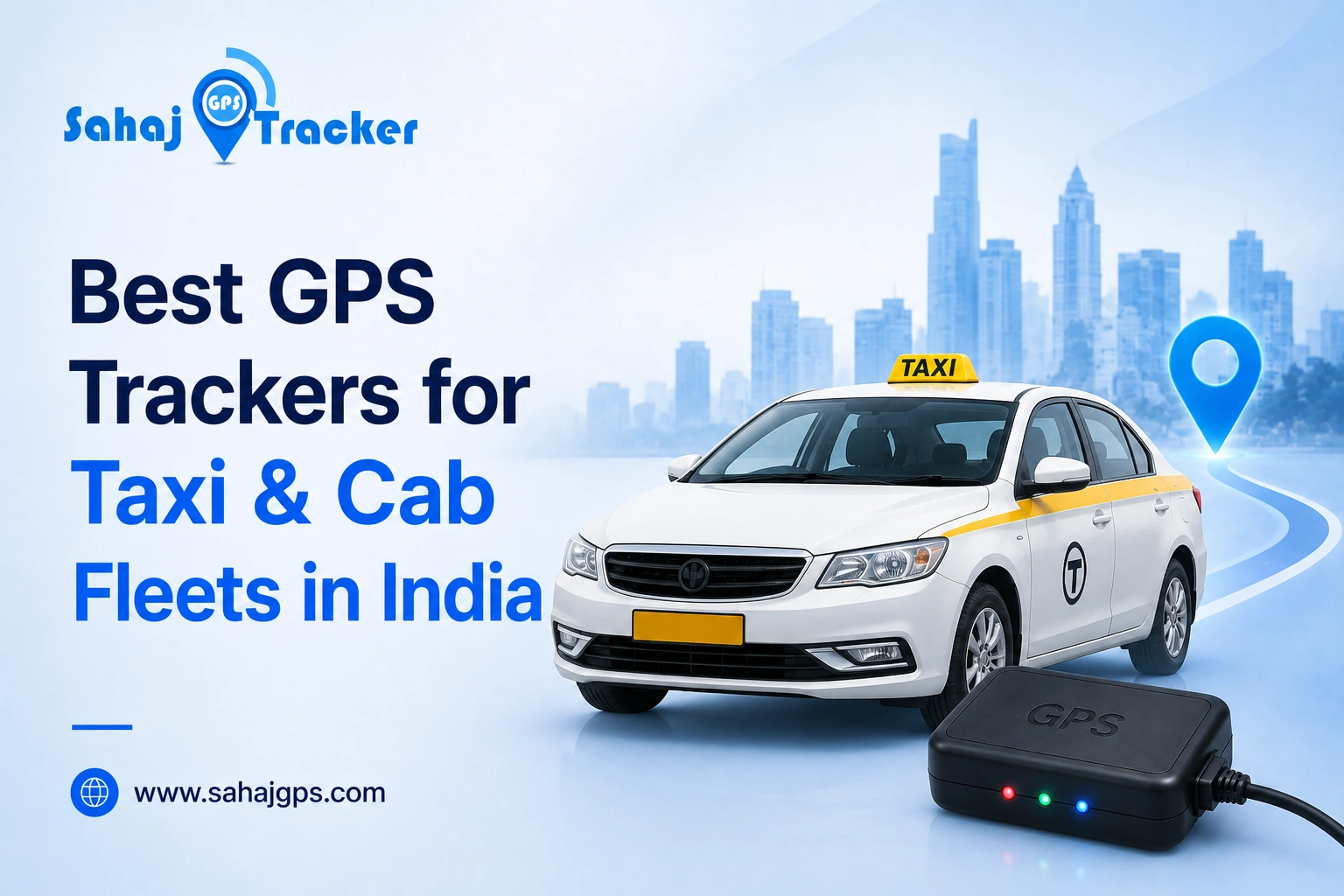
Running a taxi or cab fleet is not just about keeping vehicles on the road. Managers also need to know where vehicles are, whether drivers are following assigned routes, how long trips take, and what happens when a vehicle suddenly stops.
A reliable GPS Tracker for Taxi can make these everyday tasks much easier by providing live location visibility, trip history, geofencing, and useful fleet data. For operators managing vehicles across Mumbai, Delhi, Bengaluru, Hyderabad, Pune, or other Indian cities, that visibility can be a real advantage.
Why Taxi Fleets Need GPS Tracking
A cab spends most of its working day away from the fleet office. Once the vehicle picks up a passenger, the manager usually has limited direct visibility until the trip ends. Calling drivers for every update isn’t practical, especially when a company manages dozens or hundreds of vehicles.
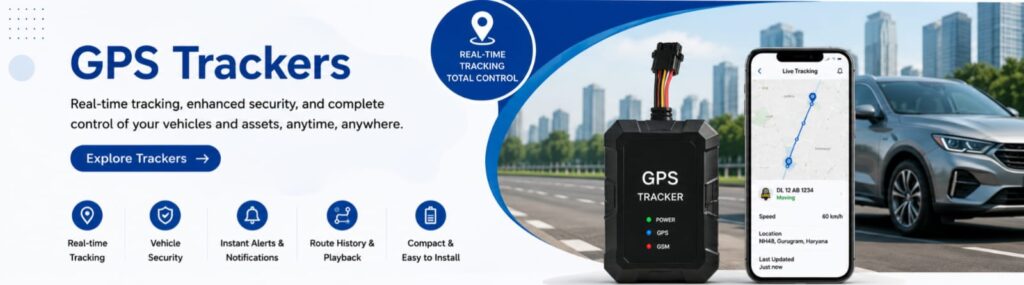
This is where a GPS Tracking System for Cabs becomes useful. Managers can check vehicle locations through a central dashboard, review completed routes, monitor stops, and receive alerts when something unusual happens. It doesn’t remove every fleet-management problem, of course, but it cuts down a lot of unnecessary guesswork.
For taxi businesses, the value is often in the small details. Knowing that a vehicle is five minutes away from a pickup point is better than simply waiting for a driver’s phone call.
What Makes a Good GPS Tracker for Taxi Fleets?
Not every GPS device is equally suitable for commercial taxi operations. A basic tracker may show location, but fleet operators usually need more than that.
A useful GPS Tracker for Taxi should provide dependable real-time location updates, route history, geofencing, alerts, trip reports, and easy access through mobile or web applications. The device should also remain connected during long operating hours and provide consistent location data.
For larger fleets, scalability matters too. A system that works nicely with ten vehicles should not become difficult to manage when the fleet grows to 100 or 500 vehicles.
Real-Time Vehicle Location
Real-time tracking allows fleet managers to see where vehicles are currently located. This can help with trip coordination, customer updates, vehicle allocation, and emergency situations.
If a driver is delayed in traffic, the manager can see the vehicle’s position rather than repeatedly calling to ask where they are. Simple, but useful.
GPS Tracking System for Cabs and Passenger Safety
Passenger safety is one of the strongest reasons for using tracking technology in taxi operations. A GPS Tracking System for Cabs can provide a digital record of vehicle movement during a trip.
Location history can help authorised fleet personnel understand where a vehicle travelled and when it stopped. Depending on the solution, alerts can also be configured for unusual movement, geofence violations, or other predefined events.
Tracking should always be used responsibly and according to applicable privacy requirements. The purpose is to improve operational visibility and safety, not to create unnecessary surveillance.
Cab Fleet Management Becomes Easier With Live Data
Effective Cab Fleet Management depends heavily on knowing how vehicles are being utilised. Some vehicles may be completing back-to-back trips, while others remain idle for long periods.Tracking data can show these differences.
Managers can review vehicle utilisation, trip frequency, idle time, mileage, and route history. This can help them decide whether vehicles need to be redistributed between areas or whether additional vehicles are actually required.Sahaj GPS provides vehicle tracking solutions that can help taxi and cab operators monitor live vehicle locations, routes, and fleet activity from a central platform.
Geofencing GPS Tracker for Taxi Operations
A geofencing GPS tracker allows fleet managers to create virtual boundaries around selected locations. These could include airports, railway stations, taxi stands, city zones, company offices, or restricted areas.
When a vehicle enters or leaves a defined zone, an alert can be generated for authorised users.
Monitor Taxi Entry and Exit Zones
Imagine a fleet operating around an airport. A geofence can be created around the airport area so the fleet team can identify when vehicles enter or leave that zone.
Similar zones can be created around company branches or service areas. This can make vehicle coordination easier, especially when many cabs are operating simultaneously.
Geofencing isn’t about reacting to every alert. The useful part is identifying events that actually need attention.
Route Optimisation for Taxi Fleets
Taxi drivers spend a huge amount of time on the road, so route efficiency can affect both operating costs and customer experience.
Route optimization software can help fleet operators analyse routes and identify patterns such as repeated delays, unnecessary kilometres, or frequently congested roads. GPS tracking provides the historical movement data needed to understand how vehicles actually travel.
The fastest route isn’t always the best one. Traffic changes, road closures, weather, and passenger pickup locations can all affect a trip.
Still, when the same route consistently causes delays, tracking data gives managers a reason to look at alternatives.
Driver Behaviour Monitoring for Cab Fleets
Driver behaviour can influence fuel consumption, vehicle wear, passenger comfort, and safety. Depending on the tracking hardware and software, fleet managers may be able to monitor speeding, harsh braking, sudden acceleration, excessive idling, and other driving patterns.
One harsh braking event doesn’t necessarily mean a driver is unsafe. Maybe someone suddenly crossed the road. Context matters.
Repeated patterns are more useful.
Fleet managers can use this information for driver coaching and training rather than simply treating every alert as a violation. Over time, better driving habits can contribute to smoother operations and lower vehicle running costs.
Fuel Monitoring and Taxi Fleet Efficiency
Fuel is a major operating expense for many taxi businesses. A cab that runs for long hours every day can accumulate significant fuel costs.
GPS tracking can help managers identify excessive idling, unnecessary travel, and unusual vehicle usage. When GPS information is combined with a fuel monitoring system, the business can get a clearer picture of fuel consumption.
For example, if one vehicle consistently spends much more time idling than similar vehicles, managers can investigate why. Maybe the driver waits for long periods at a particular location. Maybe the vehicle is being used differently. The data helps start the right conversation.
GPS Fleet Tracking for Multiple Cities
Taxi operators with vehicles in several cities have an even greater need for centralised visibility. A fleet may have cars operating in Delhi in the morning, Mumbai throughout the day, and another group working in Pune or Bengaluru.
A fleet tracking system can bring these vehicles into one platform, allowing authorised managers to view their locations and activity without switching between separate systems.
Sahaj GPS can support businesses that need centralised tracking for multiple vehicles and operational locations, helping fleet teams review routes, movement, alerts, and vehicle activity.
This can also help larger operators identify differences between city-level fleet performance. One location may have longer idle times, while another may show higher daily mileage.
Vehicle Security and Recovery Support
A GPS tracker can also add another layer of visibility when a vehicle is missing, moved without authorisation, or travelling outside an expected area.
Location history can help authorised teams understand the vehicle’s recent movement. Geofencing alerts can highlight movement outside predefined zones.
Tracking doesn’t physically prevent theft, but knowing where a vehicle is can be extremely useful during a recovery situation. Businesses should also have proper security procedures and customer agreements in place.
Choosing the Right Taxi GPS Tracking System
Before selecting a system, taxi operators should consider the size of their fleet, operating locations, tracking frequency, reporting requirements, and budget.
The hardware matters, but software is just as important. A dashboard should make it easy to find vehicles, review trips, create geofences, check alerts, and generate reports.
Mobile access is also useful because fleet managers aren’t always sitting in an office. They may need to check a vehicle while travelling between branches or handling an operational issue.
Technical support, device durability, connectivity, installation, data security, and future scalability should also be considered. Sahaj GPS offers fleet tracking capabilities that can help taxi and cab businesses improve vehicle visibility, monitor movement, and manage day-to-day fleet operations.
Making Taxi Fleet Operations More Efficient
The best tracking system isn’t necessarily the one with the longest feature list. It is the one that solves the problems a fleet actually faces.
For one operator, passenger safety and live tracking may be the priority. Another may care more about fuel monitoring and route analysis. A larger fleet might need advanced reporting, geofencing, and multi-city management.The important thing is to match the technology with the operation.
A reliable GPS Tracker for Taxi can give fleet managers a much clearer picture of what happens after a vehicle leaves the parking area. And once that information is available, decisions about routes, drivers, fuel, utilisation, and vehicle security become a little easier.
FAQs
1. What is the best GPS tracker for taxi fleets?
The best GPS tracker should provide reliable live tracking, route history, geofencing, alerts, trip reports, and fleet management features. The right choice depends on fleet size, vehicle type, operating areas, and business requirements.
2. Can GPS tracking improve taxi fleet management?
Yes. GPS tracking can provide real-time vehicle locations, trip history, mileage, idle-time information, and route data. These insights can help operators improve vehicle utilisation, coordination, safety, and overall fleet efficiency.
3. How does geofencing help taxi companies?
Geofencing creates virtual boundaries around airports, taxi stands, offices, service zones, or restricted areas. Fleet managers can receive alerts when vehicles enter or leave these zones, making vehicle movement easier to monitor.
4. Can a GPS tracker help reduce taxi fuel costs?
GPS tracking can identify excessive idling, unnecessary travel, and unusual movement patterns. When combined with fuel monitoring, this information can help operators investigate fuel wastage and improve driving and fleet-management practices.
5. Is GPS tracking useful for taxi fleets in multiple cities?
Yes. A central fleet tracking system can help operators monitor vehicles across different cities from one platform. Managers can review locations, routes, alerts, and vehicle activity without relying on separate manual tracking systems.