
A fleet can keep running for years while the technology behind it quietly falls behind. You may still see vehicles on a map, but if reports are slow, alerts are unreliable, or managers have to switch between different tools, something is probably missing. A vehicle tracking system Upgrade can bring better visibility, faster reporting, and more useful fleet data.
For businesses managing vehicles in Ahmedabad, Gujarat, or across India, knowing when the old system is no longer enough can save a lot of frustration—and sometimes quite a bit of money.
Why Fleet Tracking Systems Need an Upgrade
Fleet technology has changed quickly. Older tracking platforms may have been perfectly useful when the fleet was smaller, but business requirements tend to grow. Ten vehicles become fifty. Deliveries increase. More drivers need monitoring. Fuel expenses climb. Suddenly, a basic location tracker doesn’t provide enough information.
A modern fleet tracking system should help managers understand what is happening with vehicles, not just where they are. Live location, route history, driver behaviour, geofencing, fuel data, maintenance alerts, and useful reports can all contribute to better fleet control.
So, how do you know it’s time to upgrade?
1. Your GPS Tracking Data Is Slow or Unreliable
The first warning sign is simple: you can’t trust the location information.
If a vehicle’s location takes too long to update, disappears from the dashboard, or frequently shows outdated information, fleet managers are forced back to phone calls. That’s not ideal when you’re trying to manage a busy delivery or transport operation.
A real time gps tracker should provide dependable location visibility so managers can understand where vehicles are during active trips. The exact update frequency may vary depending on the device, network conditions, and configuration, but the information should still be useful for everyday decisions.
Why Live Vehicle Visibility Matters
Imagine a delivery vehicle is running late and a customer calls for an update. If the dashboard shows the vehicle’s location several minutes behind reality, the dispatcher may give the wrong answer.
Now multiply that across dozens of vehicles. An upgraded platform can make live tracking more practical by providing clearer location information, better trip history, and easier access from desktop or mobile devices.
2. Your Fleet Has Separate Tools for Everything
Another common sign is having too many disconnected systems.
One application handles vehicle locations. Another manages fuel. Someone maintains maintenance schedules in a spreadsheet. Driver reports arrive through email, and attendance information sits somewhere else.
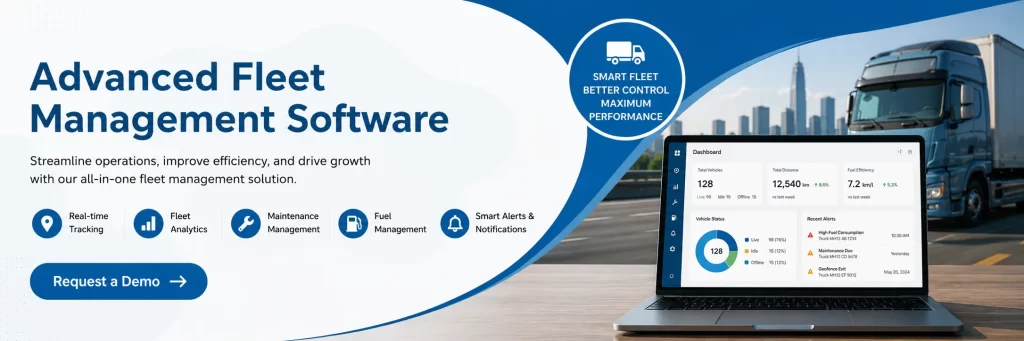
A modern Vehicle Tracking System Upgrade can bring more fleet information into one platform. Depending on the solution, businesses may be able to combine vehicle tracking with a fuel management system, driver behaviour reports, geofencing, maintenance reminders, and fleet analytics.
The goal isn’t to collect every possible piece of data. It is to reduce the amount of manual work needed to understand what’s happening.
3. Fuel Costs Keep Rising but You Don’t Know Why
Fuel is one of those expenses that can quietly eat into fleet margins. When fuel prices rise, even small inefficiencies become more noticeable.
If your existing tracking system only tells you where vehicles are, you may not have enough information to understand unusual fuel consumption. Excessive idling, inefficient driving, route deviations, and unexpected fuel usage can all contribute to higher operating costs.
A fuel management system connected with vehicle tracking can give managers a clearer view of fuel consumption patterns. Instead of looking at fuel bills once a month and wondering what happened, businesses can investigate vehicle-level trends.
Connect Fuel Data With Vehicle Movement
Fuel data becomes more useful when it is viewed alongside location and trip information.For example, a vehicle may show unusually high consumption. Looking at its route history could reveal excessive idling or repeated detours. Another vehicle may travel a similar distance but consume less fuel.
That comparison is much more useful than simply knowing how many litres were purchased.
Sahaj GPS provides fleet tracking solutions that can combine vehicle visibility with operational insights, helping businesses look at fuel usage and vehicle activity together.
4. Your Old Geofencing Alerts Are Too Basic
Geofencing is no longer just about drawing a boundary around a location and receiving an alert. Fleet operations often need more flexible controls.
A geofencing GPS tracker can help businesses create virtual boundaries around warehouses, offices, customer locations, construction sites, restricted areas, or delivery zones. When a vehicle enters or leaves a defined area, the system can generate a notification.
If your existing platform offers limited geofencing options or makes it difficult to manage multiple locations, an upgrade may be worth considering.
Use Geofencing for Practical Fleet Control
For example, a logistics company could create a geofence around its warehouse and receive an alert when a vehicle arrives. A service business could use geofencing to confirm that a field vehicle reached a customer site.
This reduces the need for constant manual checking. And honestly, that’s one of the better reasons to use fleet technology—let the software handle repetitive checks while people focus on actual operations.
5. Your Reports Don’t Help You Make Decisions
This might be the biggest sign of all.If your tracking software produces pages of numbers but managers still don’t know why vehicles are delayed, why fuel costs are increasing, or which drivers need attention, the reporting system isn’t doing enough.
A Vehicle Tracking System Upgrade should provide reports that are understandable and relevant to your business. Useful reports may include trip history, idle time, route deviations, driver behaviour, vehicle utilisation, fuel consumption, geofence activity, and maintenance information.
The exact reports you need depend on your fleet. A courier company won’t have the same priorities as a construction business.
Look for Smarter Fleet Reporting
Good reporting should help answer real questions. Which vehicles travelled the most this week? Where are delays happening repeatedly? Which routes create unnecessary kilometres? Are vehicles being used outside working hours? Which units may need maintenance soon?
These are much more useful questions than simply asking how many kilometres the fleet travelled. Sahaj GPS can help businesses access fleet reports and tracking information designed to support more informed operational decisions.
What Should You Look for in a Vehicle Tracking System Upgrade?
Once you decide the current system is holding the fleet back, don’t immediately choose the platform with the longest feature list. Start with your actual problems.
Check whether the new system provides reliable live tracking, better reports, geofencing, mobile access, driver behaviour monitoring, fuel monitoring, maintenance alerts, and scalable fleet management features.
Also consider hardware compatibility. If you already have tracking devices installed across dozens of vehicles, replacing everything may not always be necessary. Ask the provider what can be retained and what needs to change.
Support matters too. A sophisticated platform isn’t much use if your team can’t get help when something goes wrong.
When Is the Right Time to Upgrade?
There isn’t one perfect moment. But if managers regularly complain about outdated locations, manual reports, missing alerts, poor fuel visibility, or disconnected systems, waiting probably won’t make those problems disappear.
A Vehicle Tracking System Upgrade makes the most sense when the new system can solve specific operational problems and provide measurable value. Start by identifying the areas where your current platform is falling short, then compare solutions based on those needs.
Sahaj GPS can be considered by businesses looking to improve fleet visibility, tracking, reporting, and day-to-day vehicle control.
For fleets operating in Ahmedabad, Gujarat, and other parts of India, upgrading doesn’t have to mean making operations complicated. In fact, the whole point should be the opposite: fewer manual checks, better information, quicker decisions, and a fleet that’s easier to manage.
Sometimes the old system isn’t completely broken. It has simply stopped keeping up with the business. That’s usually the moment worth paying attention to.
FAQs
1. How do I know if my fleet tracking system needs an upgrade?
Slow location updates, outdated reports, limited alerts, poor mobile access, and disconnected fuel or maintenance data are common signs. If managers still rely heavily on phone calls and spreadsheets, an upgrade may help.
2. Can upgrading GPS tracking reduce fleet operating costs?
It can support cost reduction by improving route visibility, identifying excessive idling, monitoring fuel usage, and highlighting inefficient vehicle activity. Actual savings depend on fleet size, driving patterns, and how the data is used.
3. What should a modern fleet tracking system include?
Useful features include real-time tracking, route history, geofencing, driver behaviour monitoring, fuel management, maintenance alerts, mobile access, and practical reports. The right combination depends on your fleet’s operational needs.
4. Is a Geofencing GPS tracker useful for commercial fleets?
Yes. Geofencing can help businesses monitor vehicle entry and exit at warehouses, customer sites, offices, and restricted areas. Automated alerts can reduce manual checking and improve visibility over vehicle movement.
5. Should I replace existing GPS tracking hardware during an upgrade?
Not always. It depends on the hardware, software compatibility, device condition, and features required by the new platform. Ask the provider whether existing devices can be integrated before deciding to replace the entire setup.