
Customer expectations have changed a lot over the last few years. People don’t just want fast deliveries anymore—they want accurate updates, predictable arrival times, and confidence that their package is actually on the way. For delivery companies, meeting those expectations without the right technology can be exhausting.
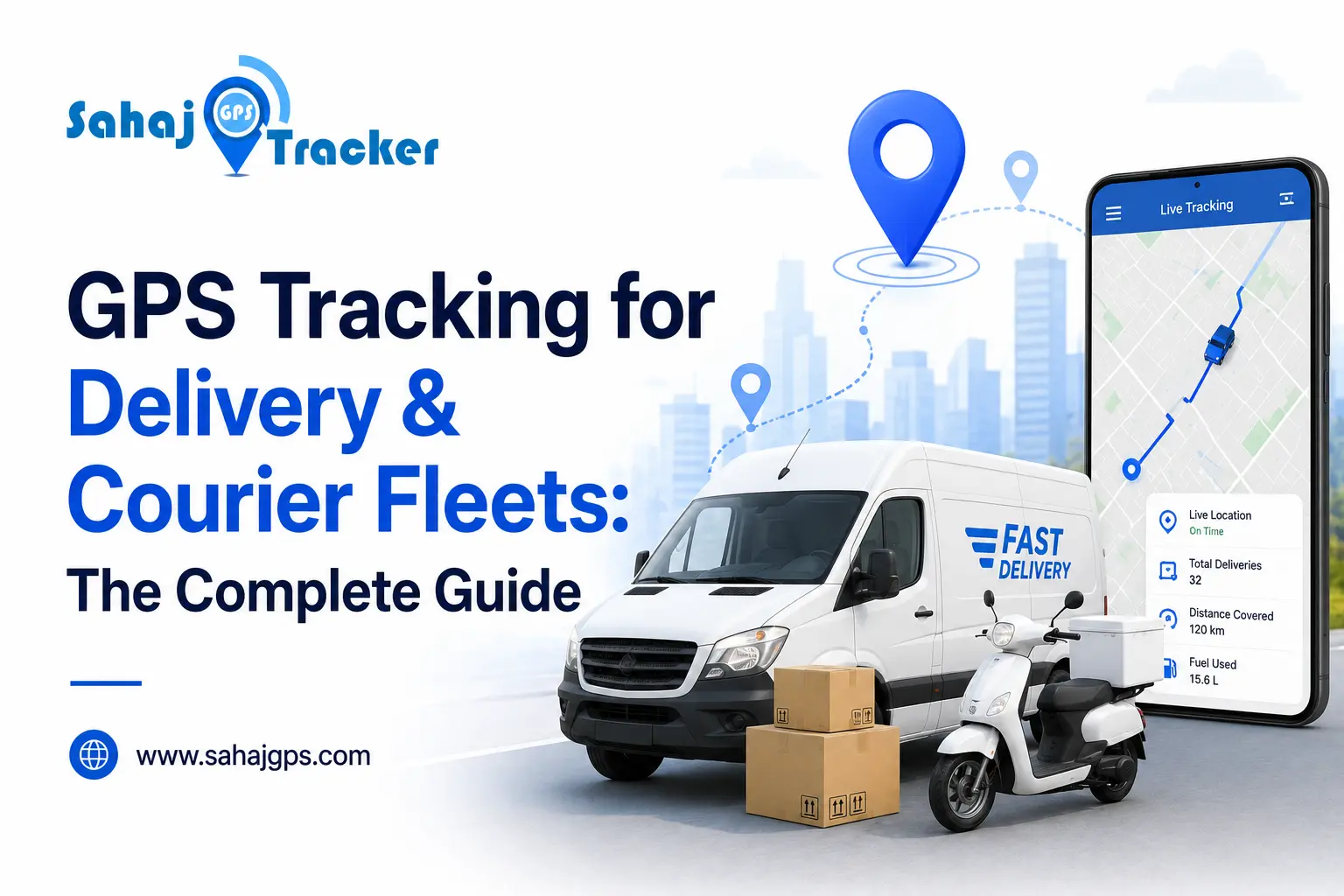
That’s why GPS tracking for delivery fleets has become one of the most important tools for courier businesses. A reliable tracking solution improves visibility, supports better dispatching, and helps businesses manage deliveries with far fewer surprises.
GPS Tracking for Delivery Fleets Improves Daily Operations
Managing a handful of delivery vehicles is one thing. Managing dozens or even hundreds across different cities is something else entirely. Dispatch teams must know where drivers are, which deliveries are complete, and which routes need attention—all while customers continue asking for updates.
A modern GPS tracking system provides this visibility in real time. Instead of calling drivers repeatedly, managers can monitor vehicle movement through one dashboard, making daily operations smoother and far more organised.
Courier companies operating across Ahmedabad, Gujarat, and nearby regions often find that accurate tracking reduces unnecessary delays while improving customer communication.
Why Delivery Businesses Need More Than Basic GPS
Years ago, simply knowing where a vehicle was seemed enough. Today, businesses expect much more from their tracking platform.
An effective fleet tracking system should provide live locations, trip history, geofencing alerts, driver activity, route playback, and detailed operational reports. These features help dispatchers make quicker decisions without interrupting drivers during busy delivery schedules.
For example, if unexpected traffic slows one vehicle, another nearby driver can be assigned urgent deliveries. Small adjustments like this improve delivery performance throughout the day.
Real-Time Vehicle Tracking Creates Better Customer Experiences
Customers appreciate transparency.
Imagine waiting for an important parcel without knowing whether it’s five minutes away or still across town. That uncertainty often leads to repeated customer support calls and frustration.
Using real-time vehicle tracking, courier businesses can provide more accurate delivery estimates while helping customer service teams answer enquiries quickly. Drivers also spend less time responding to location requests because dispatchers already have the information they need.
Many organisations implementing Sahaj GPS notice that customer satisfaction improves simply because communication becomes clearer and delivery information is easier to access.
How Route Optimisation Saves Time and Fuel
Not every delivery delay is caused by traffic. Sometimes vehicles simply follow inefficient routes because dispatch decisions are made manually.
Route optimisation analyses delivery locations and helps identify more efficient travel paths. Drivers spend less time on the road, fuel consumption decreases, and more deliveries can often be completed during the same working day.
This becomes especially valuable for courier companies handling hundreds of daily shipments. Saving just a few minutes on each route may not sound dramatic, but over weeks and months those savings become significant.
Businesses using Sahaj GPS often combine route planning with live tracking to improve both operational efficiency and customer service.
Better Dispatch Decisions Through Live Fleet Visibility
Dispatching becomes much easier when managers know exactly where every vehicle is located.
If one driver completes deliveries earlier than expected, additional jobs can be assigned immediately. If another vehicle encounters delays, nearby drivers can assist without waiting for phone updates.
Live fleet visibility also helps managers balance workloads more fairly across delivery teams. Instead of relying on estimates, dispatchers use actual vehicle locations to make informed decisions throughout the day.
GPS Tracking Supports Last-Mile Delivery
The final stage of delivery is often the most challenging. Busy streets, changing customer availability, parking issues, and traffic congestion all affect delivery performance.
GPS tracking helps businesses manage these challenges by improving coordination between dispatch teams and drivers. Live updates allow schedules to be adjusted quickly whenever conditions change, helping businesses maintain delivery commitments even during busy periods.
Many courier companies discover that improving last-mile delivery doesn’t always require more vehicles. Sometimes better visibility alone makes a noticeable difference.
Driver Behaviour Also Affects Delivery Performance
Technology isn’t only about vehicles—it also helps businesses understand driving patterns.
Features such as harsh braking, speeding, excessive idling, and rapid acceleration reports help managers identify habits that may affect fuel efficiency, vehicle wear, and delivery consistency.
The objective isn’t constant monitoring. Instead, these insights help businesses provide better driver coaching, improve road safety, and reduce operating costs over time.
Many businesses using Sahaj GPS find that combining driver behaviour insights with route optimisation creates a more efficient and reliable delivery operation without increasing administrative workload.
Fleet Tracking System Improves Business Performance
A delivery business depends on consistency. Vehicles should leave on time, deliveries should follow planned routes, and customers should receive accurate updates. A dependable fleet tracking system supports all of these goals by providing continuous visibility into daily operations.
Managers can review completed trips, identify delayed deliveries, monitor idle time, and compare route performance across different drivers. Over time, these insights help businesses improve delivery planning without increasing fleet size.
The biggest advantage is simple: decisions become based on real operational data instead of assumptions.
Choosing the Right GPS Tracking System
Every tracking platform offers different features, so businesses should focus on practical requirements instead of long marketing checklists.
A reliable GPS tracking system should include live location updates, route history, geofencing alerts, driver behaviour reports, mobile access, and easy-to-understand dashboards. Businesses handling high delivery volumes should also look for proof of delivery support, dispatch management tools, and reporting features that simplify day-to-day operations.
Scalability is equally important. As delivery operations grow, the platform should support additional vehicles and drivers without requiring a complete software replacement.
Many businesses choose Sahaj GPS because it combines fleet tracking, route management, and operational reporting in one platform, helping courier companies manage deliveries more efficiently.
Common Mistakes Delivery Businesses Make
One common mistake is using GPS only to locate vehicles. Tracking systems provide much more value when businesses also analyse route efficiency, delivery patterns, and vehicle utilisation.
Another issue is ignoring reports. Many companies collect data but rarely review it. Regular reporting helps identify repeated delivery delays, inefficient routes, excessive idle time, and opportunities to improve productivity.
Some businesses also forget to train dispatch teams. Even the best technology performs better when employees understand how to use live tracking information to make quicker operational decisions.
Why Courier Companies Are Investing in GPS Tracking
Delivery expectations continue to rise every year. Customers expect same-day deliveries, accurate ETAs, and immediate updates whenever delays occur. Meeting these expectations without digital tracking becomes increasingly difficult.
Modern GPS solutions improve communication, strengthen dispatch operations, optimise delivery routes, and provide better visibility across the entire fleet. Businesses no longer have to guess where vehicles are or rely entirely on driver phone calls.
Whether operating ten delivery vehicles or several hundred, GPS tracking creates measurable improvements in operational efficiency, customer satisfaction, and fleet productivity. Companies using Sahaj GPS often discover that the biggest benefit isn’t simply knowing where vehicles are—it’s having the information needed to make better decisions every day.
FAQs
1. What is GPS tracking for delivery fleets?
GPS tracking for delivery fleets helps businesses monitor vehicle locations in real time, improve dispatching, optimise routes, and provide customers with accurate delivery updates.
2. How does a fleet tracking system improve delivery operations?
A fleet tracking system improves route planning, reduces delivery delays, monitors vehicle activity, and helps managers make faster operational decisions using live fleet data.
3. Why is route optimisation important for courier fleets?
Route optimisation reduces travel time, lowers fuel consumption, improves delivery efficiency, and allows drivers to complete more deliveries with better time management.
4. How does real-time vehicle tracking benefit customers?
Real-time vehicle tracking provides accurate delivery updates, improves communication, reduces uncertainty, and helps customer support teams respond quickly to delivery enquiries.
5. What features should a GPS tracking system for courier fleets include?
A good GPS tracking system should offer live tracking, route history, geofencing, driver behaviour monitoring, reporting, mobile access, proof of delivery, and dispatch management tools.