
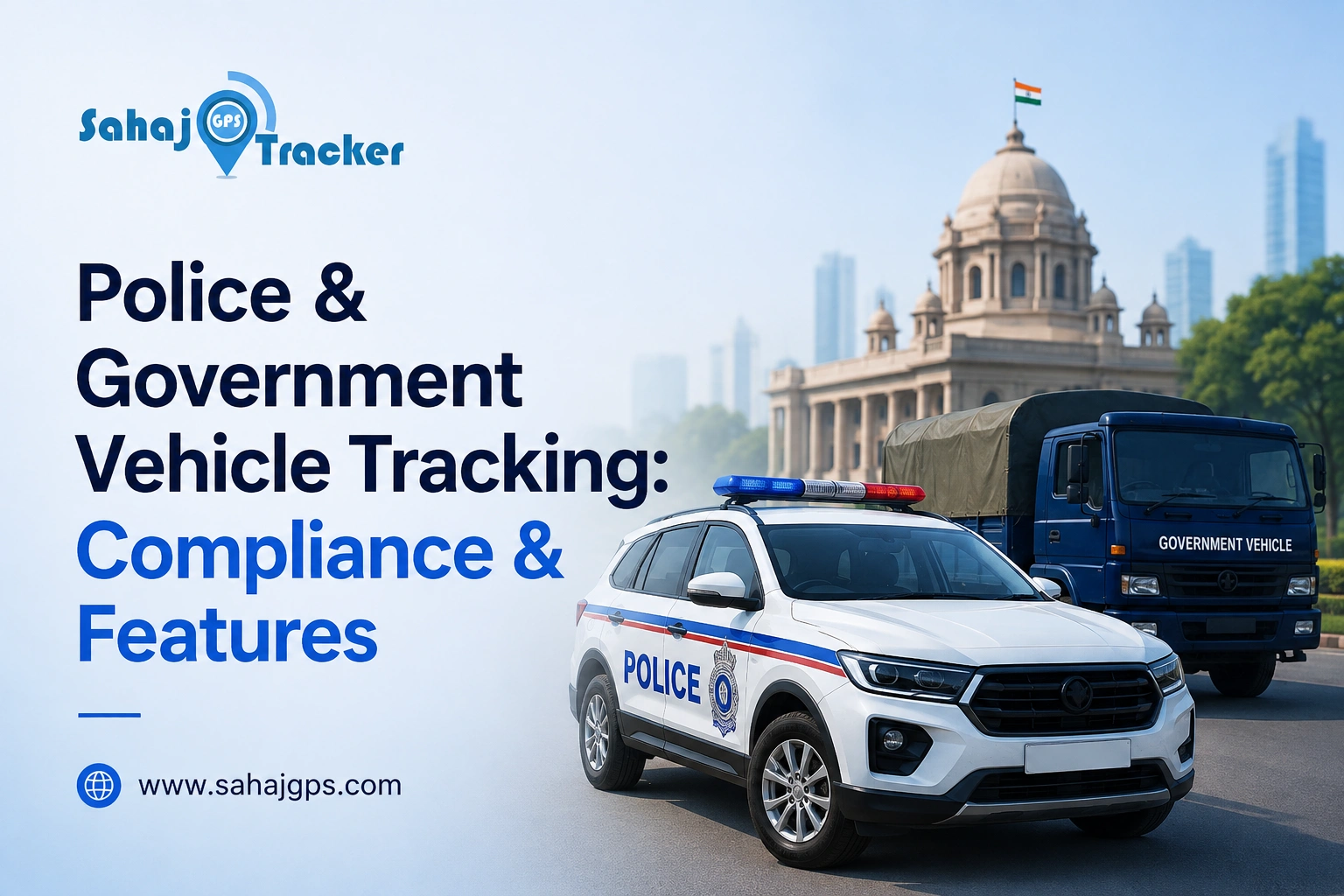
Government vehicles perform duties that often leave very little room for delays. Police patrol cars, municipal service vehicles, emergency response units, inspection teams, and department fleets are expected to be available whenever they’re needed. Managing all of these vehicles manually isn’t practical anymore, especially when operations spread across multiple locations.
That’s where a Government Vehicle Tracking System becomes essential. It helps departments improve fleet visibility, strengthen accountability, and monitor vehicle operations in real time without making daily management more complicated.
Government Vehicle Tracking System: Why Public Sector Fleets Need It
Public sector fleets operate differently from commercial transport businesses. Their objective isn’t simply reducing costs; it’s ensuring reliable public service while maintaining transparency and operational control.
A modern GPS vehicle tracking system allows administrators to monitor vehicle movement, verify route completion, improve emergency response, and maintain accurate travel records. Whether it’s a police patrol vehicle responding to an incident or a municipal inspection team visiting multiple locations, having reliable location data helps departments make faster operational decisions.
Government organisations across Ahmedabad and Gujarat are gradually adopting digital fleet technologies to improve efficiency while supporting better compliance with departmental policies.
Compliance Is More Than Location Tracking
Many people assume vehicle tracking simply shows a moving icon on a map. In reality, compliance involves much more.
Government departments often need accurate trip history, authorised route verification, working hour records, and detailed reports that can be reviewed whenever required. A reliable tracking solution creates an organised digital record of vehicle activity, making internal audits and administrative reviews much easier.
For police departments, this also improves accountability because authorised journeys, emergency deployments, and operational movements can all be verified through accurate system records instead of handwritten logbooks.
GPS Tracking for Government Vehicles Improves Daily Operations
Government fleets rarely follow identical schedules every day. Police patrols change according to operational requirements. Municipal vehicles respond to maintenance requests. Inspection teams travel across different districts based on daily assignments.
Using GPS tracking for Government vehicles allows supervisors to understand where vehicles are operating without repeatedly contacting drivers for updates. Live information supports faster dispatch decisions while reducing unnecessary communication during critical operations.
Departments implementing Sahaj GPS often appreciate that managers receive accurate fleet visibility from one dashboard rather than relying on multiple manual reports throughout the day.
Real-Time Visibility Supports Faster Response
Response time matters, especially for emergency services.
Imagine a police control room receiving multiple emergency calls from different locations. Instead of contacting several drivers individually, supervisors can use live vehicle tracking to identify the closest available patrol vehicle and dispatch it immediately.
The same principle applies to fire departments, municipal maintenance teams, healthcare services, and disaster response units. Real-time information helps reduce unnecessary delays while improving resource allocation across government fleets.
Even outside emergency situations, daily fleet operations become far easier when managers know exactly where authorised vehicles are operating.
GPS Fleet Management Creates Better Resource Planning
Managing government fleets isn’t simply about tracking movement. It also involves ensuring that vehicles are used efficiently.
An effective GPS fleet management solution helps departments understand vehicle utilisation, route performance, travel frequency, idle time, and operational coverage across different service areas. These insights allow administrators to distribute vehicles more effectively while avoiding unnecessary duplication of resources.
Many organisations using Sahaj GPS discover that better fleet visibility also improves planning because departments can allocate vehicles based on actual operational demand rather than estimates.
Driver Behaviour Monitoring Strengthens Fleet Accountability
Vehicle safety remains an important responsibility for every government department. Monitoring how official vehicles are driven protects both public assets and employees.
Features like driver behaviour monitoring help identify harsh braking, rapid acceleration, excessive idling, speeding, and other driving patterns that may increase operational risks or maintenance costs.
The purpose isn’t to penalise drivers unnecessarily. Instead, these insights help departments provide training, encourage safer driving habits, and reduce long-term vehicle wear. Over time, improved driving behaviour contributes to better fleet reliability, lower maintenance expenses, and safer public operations.
Many departments find that simply knowing driving data is recorded encourages greater accountability across the fleet, even before formal coaching programmes begin.
Features Every Government Fleet Should Have
Choosing the right tracking platform is about much more than GPS location. Government departments should look for features that support long-term operational efficiency, transparency, and accountability.
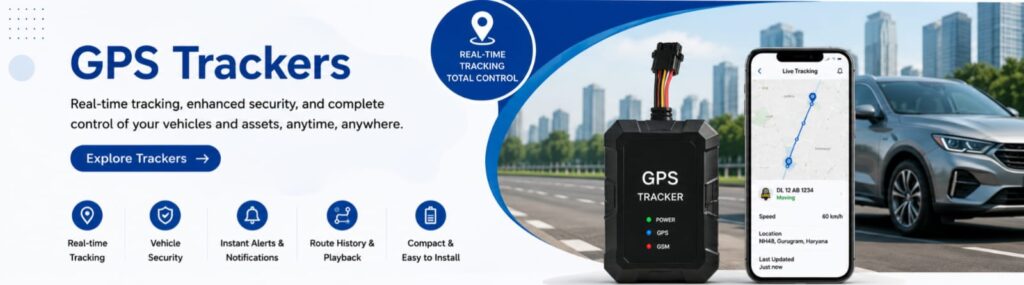
A dependable GPS vehicle tracking system should include route history, geofencing, trip reports, alert notifications, vehicle utilisation reports, and easy-to-understand dashboards. These tools help departments monitor daily operations while simplifying administrative reporting.
Many public sector organisations also prefer solutions that combine tracking with fuel monitoring and maintenance reminders because managing vehicle health is just as important as monitoring movement. A single platform that brings these features together usually reduces paperwork and improves day-to-day fleet management.
Reporting Helps Improve Decision-Making
One of the biggest advantages of digital fleet management is access to accurate reports. Instead of relying on handwritten vehicle registers or verbal updates, administrators receive detailed information about trips, idle time, working hours, and route completion.
These reports help departments understand how vehicles are being used, identify operational gaps, and improve resource planning over time. During internal reviews or audits, digital records also make it much easier to verify official vehicle usage without searching through manual logbooks.
Government departments responsible for large fleets often find reporting just as valuable as real-time tracking because it supports better planning throughout the year.
Common Challenges During Implementation
Introducing a tracking system across an existing government fleet requires planning. One common challenge is assuming that installation alone will solve operational problems. Technology performs best when departments also establish clear vehicle usage policies and reporting procedures.
Another mistake is ignoring employee training. Drivers, supervisors, and administrators should understand how the platform works and how tracking data supports daily operations. When everyone understands the objective, adoption becomes much smoother.
Departments should also review tracking reports regularly rather than collecting data without using it. Consistent analysis helps identify route improvements, vehicle underutilisation, and opportunities to improve fleet performance.
Many organisations implementing Sahaj GPS discover that combining proper staff training with regular report reviews delivers much stronger results than relying on technology alone.
Why Government Departments Are Moving Towards Digital Fleet Management
Public expectations continue to grow. Citizens expect faster emergency response, improved public services, and greater transparency in government operations. Managing fleets manually makes these expectations increasingly difficult to meet.
Modern tracking solutions support better coordination, improve response times, strengthen compliance, and help departments use public resources more efficiently. Whether managing police patrols, municipal service vehicles, inspection teams, healthcare transport, or utility fleets, accurate vehicle visibility creates measurable operational improvements.
Departments using Sahaj GPS often report better fleet control because vehicle movement, utilisation, compliance records, and operational reporting become available from one central platform. Rather than replacing existing processes, digital tracking helps improve them, making fleet management more organised and more accountable for the long term.
FAQs
1. What is a Government Vehicle Tracking System?
A Government Vehicle Tracking System helps public departments monitor official vehicles in real time, improve accountability, verify routes, maintain trip records, and support efficient fleet operations.
2. Why is GPS tracking for Government vehicles important?
GPS tracking for Government vehicles improves fleet visibility, supports faster dispatch decisions, enhances operational transparency, and helps departments monitor authorised vehicle movement accurately.
3. How does GPS fleet management benefit government departments?
GPS fleet management improves vehicle utilisation, route planning, maintenance scheduling, and reporting while helping departments reduce operational inefficiencies and manage public resources more effectively.
4. What is driver behaviour monitoring in government fleets?
Driver behaviour monitoring records speeding, harsh braking, rapid acceleration, excessive idling, and other driving patterns to improve road safety, accountability, and vehicle maintenance planning.
5. Can live vehicle tracking improve emergency response?
Yes. Live vehicle tracking helps dispatch the nearest available police, emergency, or municipal vehicle, reducing response times while improving coordination during time-sensitive situations.