
Why GPS Tracking for Tractors Is Becoming Essential for Indian Farmers
A few years ago, GPS tracking for tractors was something mostly associated with large farming companies. Today, that’s changing rather quickly. Farmers across Punjab, Haryana, Gujarat, Maharashtra, Rajasthan, Karnataka, and even smaller districts are beginning to see why keeping an eye on expensive machines makes sense.
A tractor is no longer just another vehicle parked beside the field after sunset. It’s one of the biggest investments on a farm, and when it isn’t working, everything from sowing to harvesting gets delayed. Sometimes it’s about theft. Sometimes it’s fuel misuse. And honestly, sometimes it’s simply not knowing where the machine is because it has been moved to another field. These everyday problems are pushing more farmers toward GPS-based monitoring, not because it’s trendy, but because it solves issues that happen almost every season.
What Does a Tractor GPS Tracking System Actually Do?
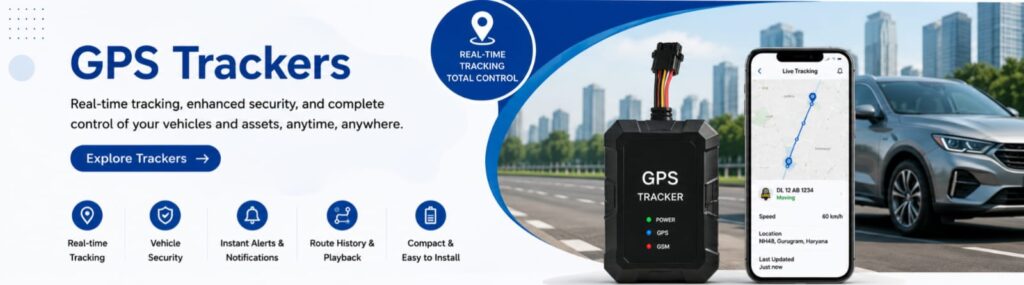
Many people imagine GPS tracking as nothing more than a moving dot on a mobile screen. That was true years ago. A modern Tractor GPS tracking system does much more than show location. It records travel history, monitors working hours, alerts owners if the tractor moves outside a defined area, and helps identify unnecessary idle time.
Some systems even allow farm owners to review where machinery was used during the day, making it easier to plan future work. If several tractors operate across different villages or farms, this information becomes surprisingly useful. Instead of making multiple phone calls to drivers, one dashboard provides a complete picture of what’s happening.
Why Theft Has Become a Bigger Concern
Agricultural machinery theft isn’t discussed as often as urban vehicle theft, but it happens more than many people realise. Tractors, harvesters, seed drills, rotavators, and other costly equipment are valuable assets that can be moved quickly, especially during the busy farming season. Recovering stolen machinery is difficult without accurate location data. A real time GPS tracker changes that by providing immediate location updates whenever the vehicle moves. Even if the tractor is transported outside the village, owners can react much faster instead of discovering the loss hours later. That difference in response time often matters more than people think.
Better Farm Management Starts with Better Visibility
Every farm has its own routine. Some tractors spend the day preparing fields, while others transport crops, fertiliser, or irrigation equipment between locations. Once the work expands across multiple plots, keeping track of every machine becomes surprisingly difficult. This is where a Farm equipment tracking system starts making everyday operations much smoother. Owners can check whether machines are actively working, parked, or travelling between sites without relying entirely on verbal updates. It also becomes easier to allocate equipment where it’s actually needed instead of assuming availability.
Another advantage that doesn’t receive enough attention is maintenance planning. Most tractors follow seasonal work cycles, and missing routine servicing during busy months can lead to expensive repairs later. Tracking reports make it easier to understand engine usage, operating hours, and overall equipment utilisation. Rather than waiting for something to break down in the middle of harvesting, farmers can schedule maintenance when workloads are lower. It saves money, but more importantly, it avoids unnecessary downtime during critical farming periods.
How Geofencing Helps Protect Expensive Machinery
One feature that many farmers appreciate after using it for a while is the Geofencing GPS tracker. The concept is simple. A virtual boundary is created around a farm, warehouse, storage yard, or designated work area. Whenever the tractor enters or leaves that boundary, an automatic notification is generated.
At first glance, it may sound like a small feature, but it solves several practical problems. If equipment leaves the farm after working hours, the owner knows immediately. If a hired operator takes the tractor somewhere unexpected, there’s no guessing involved. These instant alerts provide reassurance without requiring someone to monitor the system constantly.
Many progressive farms across India are already combining GPS tracking with better fleet planning. Solutions such as Sahaj GPS are being adopted not only for theft prevention but also for improving operational visibility.
Farmers can understand where machinery spends the most time, compare utilisation across different tractors, and make decisions based on actual data instead of estimates. For businesses managing agricultural fleets or providing custom farming services, that visibility often translates into better productivity and lower operating costs.
GPS Tracker for Farm Machinery Makes Daily Operations Easier
Farming rarely follows a perfect schedule. Rain changes plans. Labour availability changes. One machine finishes early while another gets delayed because of soil conditions or transport. During these busy days, having a GPS tracker for farm machinery helps owners understand what’s actually happening across different fields. Instead of depending on assumptions, they can see where equipment is working, how long it has stayed at one location, and whether daily tasks are progressing as planned. This becomes especially useful for contractors handling multiple farms in states like Madhya Pradesh, Uttar Pradesh, Telangana, Tamil Nadu, and Andhra Pradesh, where machines travel long distances during peak agricultural seasons.
For families running several tractors or renting equipment to neighbouring farms, location history also creates accountability. Operators know that working hours and movement are recorded automatically, which often leads to more responsible equipment usage. Nobody enjoys unnecessary fuel expenses or idle machinery sitting under the sun when work is waiting elsewhere. Better visibility naturally encourages better planning.
Choosing the Right GPS Tracking Solution
Buying the cheapest device isn’t always the smartest choice. Farmers should look for reliable location accuracy, frequent updates, geofencing, travel history, easy mobile access, strong battery backup where applicable, and dependable customer support.
A tracking platform should also remain simple enough for everyday use because complicated software usually ends up being ignored after a few weeks. The best systems present information clearly without requiring technical knowledge. Whether the equipment is working near Ahmedabad, Jaipur, Lucknow, Nagpur, or Coimbatore, the tracking experience should remain consistent throughout the farming season.
Many agricultural businesses have started using Sahaj GPS because it combines live tracking, route history, alerts, and reporting in one platform. Rather than checking multiple sources for updates, farm owners receive the information they need in one place, helping them make quicker operational decisions.
Why Agricultural Businesses Are Investing in GPS Technology
Indian agriculture is changing steadily. Farm sizes may differ, but machinery costs continue to increase almost everywhere. At the same time, hiring reliable operators, controlling fuel expenses, and protecting expensive equipment have become bigger concerns than before. GPS tracking addresses several of these challenges together instead of solving only one problem. It improves security, supports maintenance planning, increases equipment utilisation, and gives owners better confidence about daily operations.
Custom hiring centres, agri contractors, transport businesses serving farms, and commercial agricultural enterprises particularly benefit because machinery constantly moves between different customers. Knowing exactly where every vehicle is reduces confusion and improves scheduling. A delayed tractor can affect several farms waiting for service, so even small improvements in planning make a noticeable difference over an entire season.
One thing many users mention after installing Sahaj GPS is that they stop relying on guesswork. Instead of asking where a tractor was yesterday or wondering how long it remained idle, they already have the information available. Decisions become easier because they’re based on actual movement data rather than memory.
Technology won’t replace farming experience, of course. It simply gives farmers another practical tool to protect their investment and manage valuable equipment more efficiently. Sometimes that’s exactly what’s needed during a busy season.
Frequently Asked Questions
1. Why is GPS tracking important for tractors?
GPS tracking helps farmers monitor tractor location, reduce theft risks, improve equipment utilisation, manage working hours, and make daily farm operations more organised and efficient.
2. What is a Tractor GPS tracking system?
A Tractor GPS tracking system provides live location, travel history, geofencing alerts, and operational reports, helping farmers monitor machinery from anywhere using a connected platform.
3. Can a Geofencing GPS tracker prevent tractor theft?
A Geofencing GPS tracker sends instant alerts whenever machinery leaves a predefined area, allowing owners to respond quickly and improve the chances of recovering equipment.
4. How does a Farm equipment tracking system improve productivity?
It helps monitor machine usage, reduce idle time, schedule maintenance, allocate equipment efficiently, and improve planning across multiple farms and agricultural projects.
5. Is a GPS tracker for farm machinery suitable for small farms?
Yes. Even farms with one or two tractors benefit from better security, live tracking, maintenance records, and improved visibility without adding much operational complexity.