

Fuel is one of the biggest expenses for any fleet business, but it’s also one of the easiest places for money to disappear without anyone noticing. Many fleet owners install a fuel monitoring system for vehicles because they suspect rising fuel costs, yet they aren’t completely sure what’s causing them. Sometimes it’s poor driving habits. Sometimes it’s route planning.
And sometimes… it’s fuel theft. The frustrating part is that fuel theft rarely happens in obvious ways. It usually starts small, goes unnoticed for weeks, and quietly becomes a serious financial loss before anyone realizes what’s happening.
If you manage delivery vans, trucks, construction vehicles, employee transport, or commercial fleets in Ahmedabad, keeping an eye on fuel usage has become just as important as tracking vehicle locations. A few extra litres disappearing every day may not seem like much, but multiply that across an entire fleet over several months and the numbers become surprisingly large.
Why Fuel Theft Is More Common Than Most Fleet Owners Think
Many business owners assume fuel theft only happens in large logistics companies with hundreds of vehicles. The reality is quite different. Even businesses with five or ten vehicles can experience fuel losses if there isn’t a proper monitoring process in place.
Fuel can be stolen in several ways. Drivers may siphon diesel during long trips, refill less than the billed quantity, misuse company fuel cards, or take unnecessary detours that increase consumption. In some cases, fuel isn’t stolen directly at all. It’s simply wasted because of excessive idling or inefficient driving, and that creates the same financial impact.
The biggest problem is that these losses rarely show up as a single large expense. Instead, they slowly increase monthly fuel bills, making owners believe fuel prices alone are responsible. Without accurate monitoring, identifying the real cause becomes almost impossible.
Sign 1: Your Fuel Bills Keep Increasing Without Any Business Growth
One of the earliest warning signs is when fuel expenses continue rising even though your daily operations haven’t changed much. Maybe the number of deliveries is similar. The routes are almost the same. Vehicle usage hasn’t increased significantly. Yet somehow the monthly fuel bill looks higher than usual.
This is where many businesses make a mistake. They blame inflation, traffic, or higher diesel prices without checking vehicle-level data.
A fuel consumption monitoring system makes this comparison much easier because it records how much fuel each vehicle consumes based on actual trips. Instead of looking at one combined monthly fuel bill, fleet managers can compare individual vehicle performance. If one truck consistently consumes far more fuel than similar vehicles covering the same distance, that’s usually a sign worth investigating.
Of course, higher consumption doesn’t always mean theft. Poor maintenance, overloaded vehicles, or aggressive driving can also increase fuel usage. But unusual patterns should never be ignored.
Sign 2: Fuel Levels Drop Even When Vehicles Are Parked
Here’s something that surprises many fleet owners.
A vehicle is parked overnight inside your yard. Nobody officially uses it. Yet the next morning, the fuel level is noticeably lower.
That shouldn’t happen.
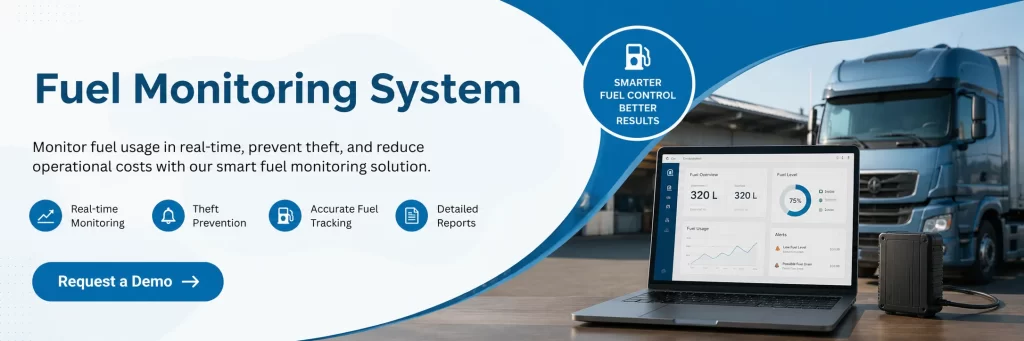
Modern tracking technology with real-time fuel level monitoring continuously measures fuel levels inside the tank. If fuel suddenly decreases while the engine is switched off, the system records exactly when it happened and how much fuel was removed.
Without digital monitoring, these incidents usually become arguments between drivers and management because there’s no reliable evidence. But when fuel data is recorded automatically, there is very little room for confusion.
Many businesses in Ahmedabad have started adopting automated fuel tracking simply because manual fuel checks cannot detect these overnight losses accurately.
Sign 3: Drivers Frequently Choose Longer Routes
Sometimes fuel theft isn’t about removing fuel from the tank.
Instead, drivers intentionally take longer routes to consume more fuel than necessary. This creates opportunities to claim higher fuel reimbursements or hide fuel shortages later.
At first glance, these route changes may appear harmless. After all, traffic conditions change every day. But when the same driver repeatedly avoids shorter roads without a valid reason, it becomes a pattern rather than a coincidence.
A GPS tracking system combined with fuel reports helps managers compare planned routes with actual travel history. If unnecessary detours become frequent, it’s much easier to identify unusual driving behaviour before it starts affecting overall fleet costs.
This approach doesn’t just help detect fuel misuse. It also improves delivery planning, reduces travel time, and keeps customers happier because vehicles reach destinations more consistently.
Route History Often Reveals More Than Fuel Reports
Looking only at fuel numbers doesn’t always tell the full story. Sometimes the real clues appear when trip history and fuel reports are analysed together.
For example, imagine two similar trucks delivering goods between the same locations every day. One follows the expected route and consumes fuel normally. The other consistently travels several extra kilometres and records noticeably higher fuel usage. That difference becomes difficult to explain unless there is a genuine operational reason.
Businesses using Sahaj GPS often combine live route history with fuel analytics to identify these unusual travel patterns much earlier instead of waiting until monthly expenses become a concern.
Sign 4: Unexplained Fuel Refills Keep Appearing
Frequent fuel refills don’t automatically mean theft, but repeated refuelling without corresponding vehicle usage should definitely raise questions.
Some drivers refill smaller quantities more often to make fuel records harder to verify. Others may submit bills that don’t accurately match the fuel actually added to the vehicle. Over time, these small inconsistencies quietly increase operating costs without attracting immediate attention.
A reliable fuel theft detection system compares fuel filling events with vehicle movement and actual tank levels. If a vehicle receives fuel but the recorded level doesn’t increase as expected, managers can investigate immediately instead of discovering discrepancies weeks later during expense reviews.
This type of automated verification removes much of the guesswork from fuel management. Rather than relying solely on invoices or handwritten logs, businesses have access to measurable data that helps them make informed decisions.
Why Manual Fuel Checks Usually Fail
Many fleet operators still ask drivers to record fuel purchases in notebooks or submit paper receipts at the end of each trip. While this method may appear organised, it depends entirely on manual reporting. And that’s where problems begin.
Receipts can be misplaced, handwritten records may contain mistakes, and fuel levels are often estimated rather than measured accurately. Even honest drivers can make reporting errors after long working hours.
Digital monitoring eliminates these uncertainties by recording fuel activity automatically. Instead of spending valuable time verifying paperwork, managers can focus on improving fleet performance using real operational data. Businesses that have implemented Sahaj GPS often find that automated reports reduce administrative work while providing much clearer visibility into daily fuel usage.
Sign 5: Vehicles Spend Too Much Time Idling
Fuel theft doesn’t always involve someone removing diesel from the tank. Sometimes the loss happens because vehicles spend far too much time idling. It sounds harmless at first. The driver leaves the engine running while waiting for loading, making a phone call, or taking a break. A few minutes here and there don’t seem like a big deal, but across an entire fleet those minutes turn into hours every week.
Long idle periods increase fuel consumption without adding any business value. They also put unnecessary wear on the engine, leading to higher maintenance costs later. Fleet owners often notice rising fuel bills but struggle to understand why. When idle time reports are available alongside fuel data, the answer becomes much clearer.
A good fuel consumption monitoring system highlights excessive idling so managers can identify vehicles that consume fuel without actually covering more distance. Sometimes it’s simply a training issue. Other times, repeated idling may be used to hide fuel misuse. Either way, the data tells the story.
Sign 6: Fuel Levels Suddenly Drop During a Trip
One of the clearest warning signs of fuel theft is an unexpected drop in fuel level while a vehicle is travelling or parked briefly. Under normal conditions, fuel decreases gradually as the vehicle moves. Sharp drops are different. They usually indicate fuel has been removed manually.
This is where a fuel drain alert system becomes extremely valuable. Instead of discovering missing fuel after the vehicle returns, the system immediately records the event and alerts the fleet manager. The notification typically includes the exact time, location, and amount of fuel lost, making it much easier to investigate.
Without these alerts, businesses often rely on assumptions or driver explanations, which rarely lead to clear answers. Real-time notifications remove that uncertainty and help owners respond before the problem repeats.
Sign 7: One Driver Always Uses More Fuel Than Everyone Else
Every fleet has small differences in fuel consumption. Vehicle condition, traffic, and load all play a role. But if one driver consistently uses much more fuel than others operating similar vehicles on similar routes, it’s worth taking a closer look.
Sometimes the reason is poor driving habits. Rapid acceleration, harsh braking, speeding, and unnecessary detours all increase fuel usage. In other cases, the pattern may point towards deliberate fuel misuse. The important thing is not to jump to conclusions. Instead, compare trip history, driving behaviour, route reports, and fuel records together.
Businesses that regularly review this information are usually able to identify unusual patterns long before they become expensive problems. That’s one reason many fleet operators prefer Sahaj GPS, as it combines vehicle tracking with detailed fuel insights, helping managers make decisions based on actual data rather than guesswork.
How Technology Makes Fuel Theft Much Harder
Trying to prevent fuel theft through manual supervision alone is exhausting. Drivers work in different locations, vehicles operate at different times, and checking every fuel receipt simply isn’t practical. Technology changes that completely.
A modern fuel monitoring system for vehicles continuously records fuel levels, vehicle movement, trip history, and engine activity. Instead of waiting until the end of the month to review expenses, managers can identify unusual events as they happen. Whether it’s unauthorized fuel removal, excessive idling, route deviations, or suspicious refuelling, the system creates a digital record that is difficult to dispute.
This level of transparency benefits everyone. Honest drivers are no longer questioned unnecessarily, while genuine issues are identified much faster.
Simple Ways to Reduce Fuel Theft in Your Fleet
Preventing fuel theft isn’t only about installing technology. Building the right operational practices is equally important. Fleet owners who combine digital monitoring with clear policies usually see the best results.
Start by reviewing fuel reports every week instead of waiting until the end of the month. Compare fuel usage between similar vehicles, monitor route deviations, and investigate repeated idle time. Drivers should also understand that fuel tracking is designed to improve fleet efficiency rather than create unnecessary pressure.
Regular maintenance is another important factor. Poorly maintained vehicles naturally consume more fuel, making genuine mechanical issues look similar to theft. Keeping vehicles in good condition makes fuel reports much more reliable and easier to analyse.
Choosing the Right Fuel Monitoring Solution
Not every tracking solution offers advanced fuel management capabilities. Before investing in any system, businesses should look beyond basic GPS tracking and evaluate features that actually help control operating costs.
Choose a platform that supports Real-Time Fuel Level Monitoring, accurate fuel analytics, route history, idle reports, refill tracking, and a reliable fuel theft detection system. Instant notifications for unusual fuel drops and detailed reporting should also be part of the solution.
Scalability matters too. A system that works well for ten vehicles should continue performing just as effectively when your fleet grows to fifty or even a hundred. Businesses using Sahaj GPS often prefer this approach because it allows them to manage fleet tracking and fuel monitoring from one dashboard without switching between multiple tools.
Fuel Theft Is Easier to Stop Than Most People Think
Most fuel theft doesn’t begin with a major incident. It starts with small losses that nobody notices—an extra litre here, a longer route there, a few unnecessary minutes of idling. Individually these issues seem insignificant, but together they quietly reduce profitability month after month.
The good news is that businesses no longer have to depend on assumptions. With the right tracking technology, accurate reports, and regular monitoring, it’s possible to identify unusual fuel activity early and take corrective action before losses become routine. A little visibility goes a long way, especially when fuel is one of the biggest expenses in any fleet business.
Frequently Asked Questions
1. What is a fuel monitoring system for vehicles?
A fuel monitoring system for vehicles tracks fuel levels, consumption, refuelling, and vehicle movement, helping fleet owners reduce wastage, improve efficiency, and detect suspicious fuel activity.
2. How does Real-Time Fuel Level Monitoring work?
Real-Time Fuel Level Monitoring uses fuel sensors to continuously measure tank levels and instantly records sudden increases or decreases, making fuel usage completely transparent.
3. What is a fuel drain alert system?
A fuel drain alert system sends immediate notifications whenever fuel is removed unusually from a vehicle’s tank, helping businesses respond quickly and investigate potential theft.
4. Can a fuel theft detection system reduce operating costs?
Yes. A fuel theft detection system identifies suspicious fuel loss, unnecessary idling, and abnormal consumption, helping businesses reduce waste and improve fleet profitability.
5. Is fuel monitoring useful for small fleets?
Absolutely. Even small fleets benefit from accurate fuel tracking, better driver accountability, lower fuel expenses, and improved operational control without relying on manual records.