

Fleet management is becoming far more complex than simply knowing where vehicles are on the road. Rising fuel prices, stricter compliance requirements, growing customer expectations, and increasing operational costs are pushing transport businesses to look beyond traditional tracking solutions. While GPS tracking still provides location data, many fleet operators now need technology that can help them make faster, smarter decisions before problems affect their business. This is where an AI-powered telematics platform offers a significant advantage.
Instead of simply collecting vehicle data, AI analyses it continuously to identify patterns, predict risks, optimise operations, and provide actionable insights. For Indian fleet operators in 2026, this means better control over vehicles, lower operating costs, improved safety, and easier compliance with evolving regulations.
What Is an AI-Powered Telematics Platform?
An AI-powered telematics platform combines GPS tracking with artificial intelligence to monitor, analyse, and improve fleet operations in real time.
Unlike conventional vehicle tracking systems that mainly display location and trip history, AI-powered platforms process information from multiple sources such as driving behaviour, engine diagnostics, fuel usage, route history, traffic conditions, and vehicle health. The system then converts this information into practical recommendations that help fleet managers prevent issues instead of reacting after they occur.
In simple terms, traditional telematics tells you what has already happened, while AI-powered telematics helps predict what is likely to happen next.
Why AI-Powered Telematics Is Becoming Essential in India
India’s transport and logistics industry is evolving rapidly. Businesses are expected to deliver faster, operate more efficiently, and comply with stricter government regulations while keeping operating costs under control.
Managing these challenges manually is becoming increasingly difficult, especially for fleets operating across multiple cities or states. AI-powered telematics enables businesses to monitor every vehicle continuously, automate routine processes, and make decisions using real-time operational data rather than assumptions.
Several factors are driving the adoption of intelligent fleet management across India.
Rising Fuel Costs Demand Better Control
Fuel remains one of the highest operating expenses for commercial fleets. Even small inefficiencies such as unnecessary idling, poor route planning, harsh driving, or unauthorised vehicle usage can significantly increase monthly fuel bills.
AI-powered telematics continuously analyses fuel consumption alongside vehicle movement and driver behaviour. Instead of only reporting how much fuel was used, it identifies why fuel consumption is increasing and highlights practical opportunities to reduce unnecessary expenses.
Compliance Has Become More Important Than Ever
Fleet operators today must meet various regulatory requirements, including AIS 140 compliance, vehicle fitness certificates, insurance renewals, pollution certificates, and permit management.
Handling these responsibilities manually increases the risk of missed deadlines and compliance issues. Intelligent telematics platforms automate reminders, organise compliance records, and simplify documentation, helping businesses remain compliant without constant manual monitoring.
Customers Expect Complete Delivery Visibility
Customers no longer want to wait for phone calls to know where their deliveries are. They expect accurate arrival estimates and live shipment updates throughout the journey.
AI-powered telematics improves customer communication by providing real-time vehicle tracking, predictive estimated arrival times, and automatic delay notifications. Better visibility improves customer confidence while reducing the workload on dispatch teams.
Benefits of Choosing an AI-Powered Telematics Platform
Predictive Maintenance Helps Prevent Expensive Breakdowns
Unexpected vehicle breakdowns disrupt deliveries, increase repair costs, and reduce fleet productivity. Traditional maintenance schedules often rely on fixed service intervals, which may not accurately reflect the actual condition of each vehicle.
AI-powered telematics continuously monitors vehicle performance using engine diagnostics and operational data. By recognising early warning signs, the system can identify potential mechanical issues before they develop into serious failures.
This proactive approach allows maintenance teams to schedule repairs during planned downtime, reducing emergency breakdowns, extending vehicle life, and improving fleet availability.
Smarter Driver Behaviour Monitoring
Driver performance has a direct impact on safety, fuel efficiency, and maintenance costs. Manual supervision or reviewing reports after a trip often fails to prevent risky driving behaviour when it matters most.
AI-powered telematics analyses driving patterns in real time, identifying speeding, harsh braking, rapid acceleration, excessive idling, and other unsafe behaviours as they occur. Fleet managers receive meaningful insights that support driver coaching and encourage safer driving practices across the organisation.
Improved driving behaviour not only enhances road safety but also helps reduce fuel consumption and unnecessary vehicle wear.
Dynamic Route Optimisation Improves Delivery Efficiency
Planning the shortest route is no longer enough for modern fleet operations. Traffic congestion, road closures, changing delivery schedules, and unexpected delays can affect productivity throughout the day.
An AI-powered telematics platform continuously evaluates traffic conditions, delivery priorities, and vehicle locations to recommend the most efficient routes. If road conditions change, routes can be adjusted automatically to minimise delays and keep deliveries on schedule.
Smarter route planning helps businesses complete more deliveries with the same fleet while reducing fuel consumption and unnecessary travel time.
AI-Powered Fuel Monitoring Reduces Wastage
Fuel is one of the largest operating expenses for commercial fleets, and even small inefficiencies can have a significant financial impact over time.
Unlike basic tracking systems that only record fuel usage, AI-powered telematics analyses fuel consumption alongside driving behaviour, engine performance, vehicle load, and travel history. By comparing multiple data points simultaneously, the system can detect unusual fuel consumption patterns that may indicate wastage, inefficient driving, or possible fuel theft.
This level of visibility allows fleet managers to take corrective action quickly, helping reduce operating costs while improving fuel efficiency across the fleet.
Automated Compliance Management
Keeping track of compliance requirements across multiple vehicles can quickly become overwhelming. Missing renewal dates for fitness certificates, insurance, pollution certificates, permits, or AIS 140 requirements may result in operational disruptions and financial penalties.
An AI-powered telematics platform simplifies compliance by maintaining digital records and sending automated reminders well before important deadlines. Fleet managers can monitor the compliance status of every vehicle from one dashboard instead of relying on spreadsheets or manual follow-ups.
This reduces administrative work while helping businesses remain compliant with regulatory requirements.
Intelligent Anomaly Detection
Large fleets generate enormous amounts of operational data every day. Reviewing every trip manually is not practical, making it easy for unusual activities to remain unnoticed.
Artificial intelligence continuously analyses vehicle movements and operational patterns to identify activities that differ from normal behaviour. This may include unexpected route deviations, excessive stoppages, unusual fuel consumption, or irregular vehicle usage.
Rather than overwhelming managers with raw data, the platform highlights only the exceptions that require attention, allowing faster and more informed decision-making.
A Unified Dashboard for Better Fleet Visibility
Managing fleet operations often involves multiple software platforms, spreadsheets, and manual reports. Switching between different systems slows decision-making and makes daily operations more complicated.
An AI-powered telematics platform brings vehicle tracking, driver performance, maintenance schedules, fuel monitoring, compliance records, and operational reports together within a single dashboard.
Having complete visibility in one place helps fleet managers respond more quickly, improve coordination, and manage daily operations more efficiently.
Traditional GPS Tracking vs AI-Powered Telematics
Although both technologies provide vehicle tracking, their capabilities are very different.
| Traditional GPS Tracking | AI-Powered Telematics Platform |
| Tracks vehicle location | Tracks and analyses operational data |
| Shows past events | Predicts future risks and maintenance needs |
| Basic route monitoring | Dynamic route optimisation |
| Manual report analysis | Automated AI-generated insights |
| Limited driver monitoring | Real-time driver behaviour analysis |
| Basic fuel reporting | Intelligent fuel monitoring and anomaly detection |
| Separate management tools | Unified fleet management platform |
The biggest difference is that traditional tracking focuses on visibility, while AI-powered telematics supports better operational decisions using predictive intelligence.
How Sahaj GPS Supports Intelligent Fleet Management
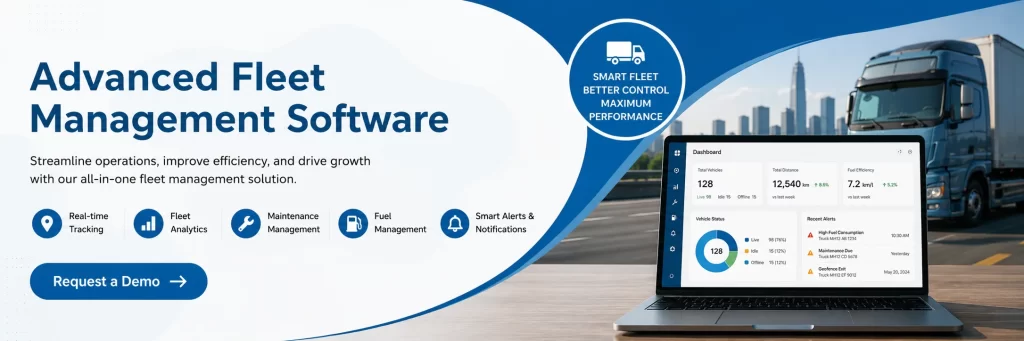
Businesses looking to modernise fleet operations need more than location tracking alone. Sahaj GPS provides an AI-powered telematics platform that combines live vehicle tracking, AIS 140 compliance, fuel monitoring, predictive maintenance, driver behaviour analytics, route optimisation, compliance management, and intelligent reporting within a single platform.
The solution is designed to help fleet operators improve operational efficiency, reduce costs, strengthen compliance, and make faster decisions using real-time fleet intelligence.
Final Thoughts
Fleet management is becoming increasingly data-driven, and businesses that rely only on conventional GPS tracking may struggle to keep pace with growing operational demands.
An AI-powered telematics platform transforms fleet data into meaningful insights that improve efficiency, strengthen compliance, enhance driver safety, and reduce operating costs. Instead of reacting to problems after they occur, businesses can identify risks early and make proactive decisions that support long-term growth.
For fleet operators preparing for the future of transportation, adopting intelligent telematics is no longer simply a technological upgrade—it is a practical investment in smarter, more efficient fleet operations.
Frequently Asked Questions
What is an AI-powered telematics platform?
An AI-powered telematics platform combines GPS tracking with artificial intelligence to monitor vehicle performance, analyse operational data, and provide predictive insights that improve fleet management.
How is AI-powered telematics different from traditional GPS tracking?
Traditional GPS mainly shows vehicle location and trip history, while AI-powered telematics analyses data to predict maintenance needs, optimise routes, monitor driver behaviour, and improve operational efficiency.
Can AI-powered telematics help reduce fleet operating costs?
Yes. It helps reduce fuel consumption, improve route planning, prevent unexpected breakdowns, automate administrative tasks, and enhance overall fleet productivity.
Does AI-powered telematics support AIS 140 compliance?
Many modern telematics platforms integrate AIS 140-certified hardware and compliance management features, helping fleet operators meet regulatory requirements more efficiently.
Is AI-powered telematics suitable for small fleets?
Yes. Businesses with small and medium-sized fleets can benefit from improved vehicle visibility, automated reporting, predictive maintenance, and better control over daily fleet operations.