
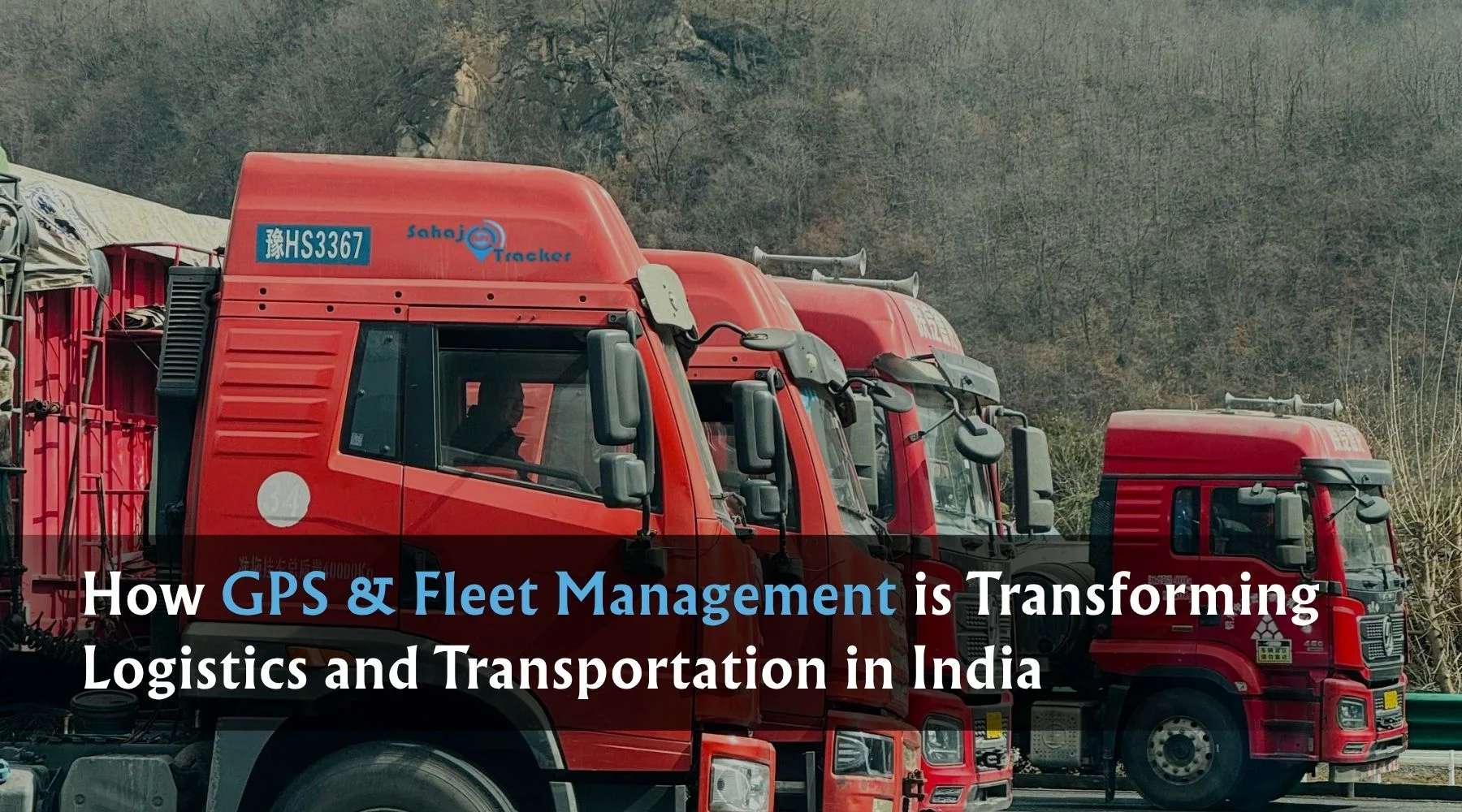
India’s logistics and transportation sector has always been the backbone of the economy. From delivering essential goods across cities to managing long-haul freight movement, this industry keeps businesses running and supply chains moving. But for years, the sector struggled with challenges like delays, lack of visibility, inefficient routes, and rising operational costs.
Today, things are changing rapidly. The adoption of GPS & Fleet Management and advanced vehicle tracking system solutions is reshaping how logistics companies operate. What was once managed through phone calls, guesswork, and manual logs is now driven by real-time data, automation, and smarter decision-making.
The Shift from Traditional to Smart Logistics
Earlier, logistics operations relied heavily on manual coordination. Fleet managers had to call drivers to check locations, estimate delivery times based on assumptions, and deal with unexpected delays without much control. This approach often led to inefficiencies, miscommunication, and increased costs.
With the introduction of GPS & Fleet Management, businesses now have access to real-time information about their vehicles and operations. A vehicle tracking system allows companies to know exactly where their vehicles are, how they are being used, and whether everything is running as planned. This shift has brought a new level of transparency and control to the industry.
Real-Time Visibility is Changing Everything
One of the biggest advantages of modern logistics solutions is real-time visibility. Knowing the exact location of every vehicle at any moment helps businesses operate with greater confidence and accuracy.
Instead of waiting for updates, fleet managers can monitor movements live, identify delays instantly, and make quick decisions to keep operations on track. This level of visibility not only improves efficiency but also enhances customer satisfaction, as businesses can provide accurate delivery updates.
A vehicle tracking system plays a key role here by offering continuous location tracking, route history, and live status updates.
Smarter Route Planning and Cost Savings
Fuel costs and time management are two critical factors in logistics. Inefficient routes, traffic congestion, and unnecessary detours can significantly increase operational expenses.
With GPS & Fleet Management, companies can analyze routes and choose the most efficient paths for their vehicles. Real-time traffic updates and route optimization features help drivers avoid delays and reach destinations faster.
Over time, this leads to reduced fuel consumption, lower operational costs, and improved delivery performance. A vehicle tracking system also helps in reviewing past trips, allowing businesses to continuously improve their routing strategies.
Better Fleet Utilization and Productivity
Managing a fleet efficiently is not just about tracking vehicles—it’s about using them in the best possible way. In traditional systems, it was difficult to know whether vehicles were being fully utilized or sitting idle.
With modern tracking solutions, businesses can monitor how long each vehicle is active, how much distance it covers, and how efficiently it is being used. This helps in identifying underutilized assets and optimizing their usage.
As a result, companies can do more with the same number of vehicles, improving productivity without increasing costs. GPS & Fleet Management makes it easier to balance workloads and ensure that resources are used effectively.
Improved Driver Behavior and Safety
Driver performance has a direct impact on fuel consumption, vehicle health, and overall safety. Rash driving, excessive idling, and over-speeding not only increase costs but also pose serious risks.
A vehicle tracking system allows businesses to monitor driver behavior more closely. It provides insights into speed patterns, braking habits, and idle time, helping companies encourage safer and more responsible driving.
This not only reduces the chances of accidents but also extends the life of vehicles and lowers maintenance costs. Over time, it creates a culture of accountability and professionalism within the fleet.
Enhanced Customer Experience
In today’s competitive market, customer expectations are higher than ever. Clients want timely deliveries, accurate updates, and transparency throughout the process.
With GPS & Fleet Management, businesses can provide real-time tracking updates and accurate delivery timelines. Customers no longer have to rely on vague estimates—they can know exactly when their shipment will arrive.
This level of transparency builds trust and improves customer satisfaction, which is crucial for long-term business growth.
Data-Driven Decision Making
One of the most powerful aspects of modern fleet management is access to data. Every trip, every route, and every movement generates valuable information that can be used to improve operations.
A vehicle tracking system provides detailed reports on fuel usage, distance traveled, idle time, and overall performance. This data helps businesses identify patterns, detect inefficiencies, and make informed decisions.
Instead of relying on assumptions, companies can now plan strategies based on real insights, leading to better results and higher profitability.
Reducing Operational Challenges
Logistics in India comes with its own set of challenges, including traffic congestion, unpredictable road conditions, and long travel distances. Managing these factors manually can be overwhelming.
GPS & Fleet Management helps businesses handle these challenges more effectively. Real-time updates, route optimization, and better coordination reduce delays and improve overall efficiency.
By having better control over operations, companies can minimize disruptions and ensure smoother workflows.
The Road Ahead for Logistics in India
The logistics industry in India is evolving, and technology is playing a major role in this transformation. Businesses that adopt modern solutions are finding it easier to manage operations, reduce costs, and deliver better services.
GPS & Fleet Management and vehicle tracking system solutions are no longer optional—they are becoming essential tools for staying competitive. As the industry continues to grow, the importance of real-time tracking and data-driven management will only increase.
Conclusion
The transformation of logistics and transportation in India is being driven by smarter technology and better visibility. Moving away from manual systems to advanced solutions has allowed businesses to operate more efficiently, reduce costs, and improve customer satisfaction.
By adopting GPS & Fleet Management and a reliable vehicle tracking system, companies can gain full control over their operations and prepare for the future of logistics. In a fast-moving industry where every second and every resource matters, having the right tools can make all the difference.
FAQs
1. What is GPS & Fleet Management?
GPS & Fleet Management is a system that helps businesses track, manage, and optimize their vehicles and operations in real time.
2. How does a vehicle tracking system help logistics companies?
It provides real-time location updates, improves route planning, and helps monitor vehicle usage and driver behavior.
3. Can GPS tracking reduce operational costs?
Yes, it helps optimize routes, reduce fuel consumption, and improve efficiency, leading to lower overall costs.
4. Is GPS & Fleet Management suitable for small businesses?
Yes, even small fleets can benefit from better visibility, improved coordination, and increased efficiency.
5. How does this technology improve customer satisfaction?
It allows businesses to provide accurate delivery updates and real-time tracking, improving transparency and trust.