
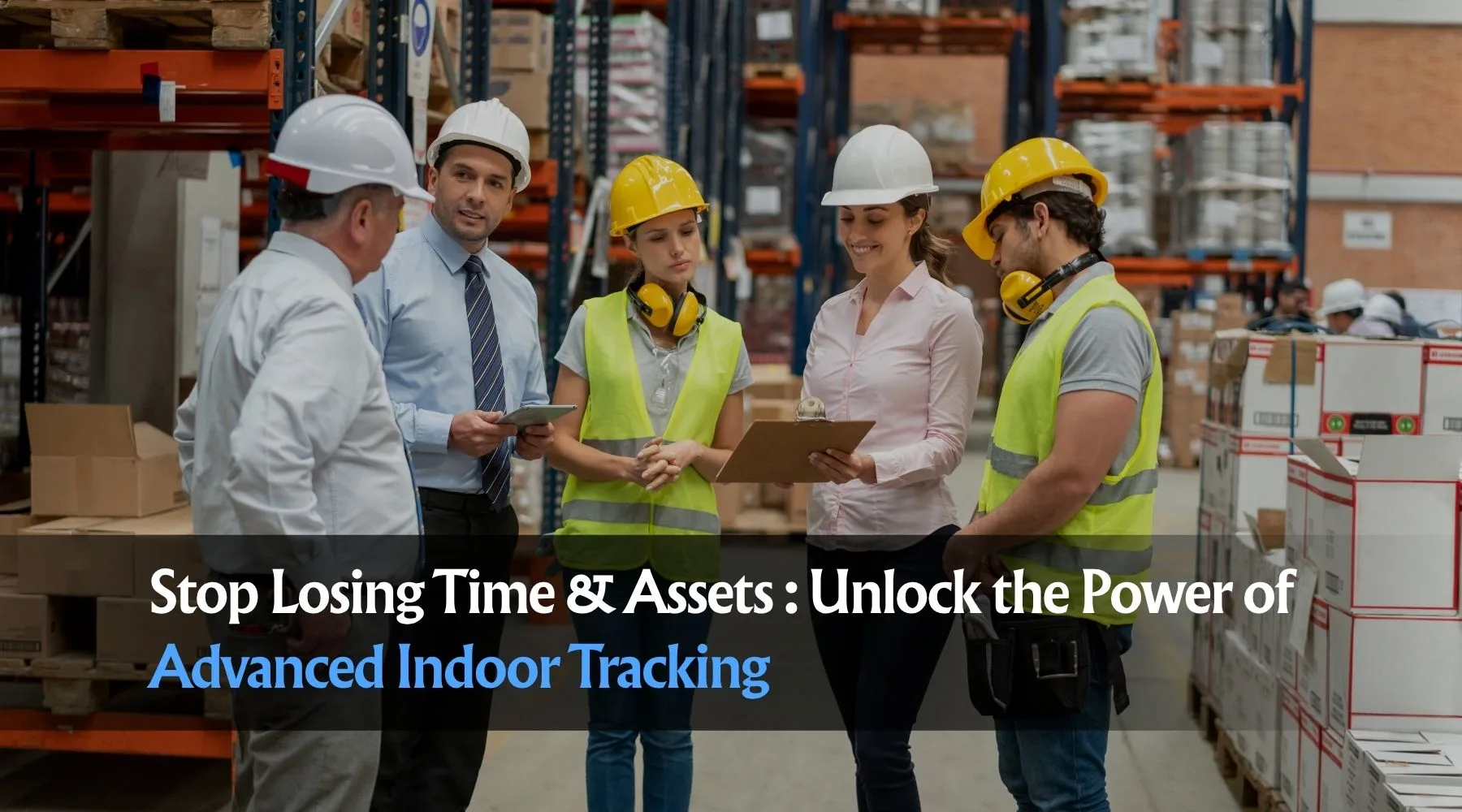
In a world where speed and efficiency define success, many businesses are still struggling with a surprisingly common problem—finding things. Whether it’s equipment, inventory, or tools, the time spent searching inside facilities often goes unnoticed, yet it silently affects productivity every single day.
What seems like a small delay here and there gradually turns into hours of wasted effort. Over time, it impacts operations, increases costs, and creates unnecessary stress for teams. This is exactly where advanced indoor tracking begins to make a real difference.
The Invisible Problem Inside Workspaces
Unlike outdoor tracking, where GPS provides reliable location data, indoor environments are far more challenging. Walls, machinery, and structural barriers disrupt signals, making it difficult to track assets accurately.
Because of this, many organizations still depend on manual processes or assumptions. Employees often have to physically search for items, ask around, or rely on outdated records. This not only slows down work but also leads to frequent misplacement of valuable assets.
The real issue isn’t just losing items—it’s losing time, efficiency, and control.
What Is Advanced Indoor Tracking?
Advanced indoor tracking is a modern solution that provides real-time visibility of assets and movement within a building. Using technologies like Bluetooth, Ultra-Wideband (UWB), Wi-Fi, and RFID, it allows organizations to know exactly where things are at any given moment.
Instead of searching, teams can simply check a system interface and instantly locate what they need. This shift from guesswork to real-time data transforms how operations are managed.
Why Businesses Are Adopting It
As industries become more competitive, efficiency is no longer optional—it’s essential. Businesses are looking for smarter ways to optimize their operations, and indoor tracking offers a practical solution.
When employees no longer waste time searching for tools or equipment, they can focus on meaningful tasks. Workflows become smoother, tasks are completed faster, and overall productivity improves naturally.
At the same time, organizations gain better control over their assets. They can monitor usage, prevent losses, and make informed decisions about resource allocation. Over time, this leads to reduced operational costs and better utilization of existing resources.
Real-World Impact
The benefits of indoor tracking can be seen across multiple industries.
In warehouses, it helps workers locate inventory quickly, reducing delays in order fulfillment. In healthcare settings, it ensures that essential equipment is always within reach, improving response times and patient care. In manufacturing environments, it minimizes downtime by keeping track of tools and machinery.
These improvements may seem small individually, but together they create a significant impact on overall efficiency.
Simple Implementation, Scalable Growth
One of the biggest advantages of modern indoor tracking solutions is their flexibility. They are designed to be easy to implement and can be scaled according to business needs.
Organizations can start with a focused deployment in key areas and gradually expand as they see results. The systems integrate smoothly with existing processes, making adoption straightforward without major disruptions.
A Smarter Approach to Operations
Indoor tracking is more than just a technological upgrade—it’s a smarter way of working. By providing real-time insights, it allows businesses to move from reactive problem-solving to proactive decision-making.
Instead of dealing with delays and inefficiencies after they occur, organizations can prevent them altogether. This creates a more organized, productive, and less stressful work environment.
Conclusion
Time is one of the most valuable resources in any organization. Losing it to inefficiencies, misplacement, and manual tracking methods is no longer sustainable.
Advanced indoor tracking offers a clear solution. It helps businesses operate with greater accuracy, efficiency, and confidence.
When everything is visible, everything works better.
FAQs
1. What is indoor tracking in simple terms?
Indoor tracking is a system that helps locate assets, equipment, or people inside a building in real time using technologies like Bluetooth or RFID.
2. How accurate is indoor tracking?
Accuracy depends on the technology used. Some systems provide general location data, while advanced solutions like UWB can offer very precise positioning.
3. Is indoor tracking expensive to implement?
Costs vary based on scale and technology, but modern solutions are flexible and can be implemented gradually to manage investment.
4. Can indoor tracking be used in small businesses?
Yes, it is suitable for businesses of all sizes. Smaller setups can be deployed easily and expanded over time.
5. How long does deployment take?
Basic implementations can be completed within a few weeks, while larger deployments may take longer depending on the complexity of the facility.