

Construction projects depend on timely material movement, efficient equipment usage, and seamless coordination between vehicles, operators, and site managers. When these activities are managed manually, businesses often face rising fuel costs, delayed deliveries, equipment misuse, and reduced productivity. These operational challenges not only increase project expenses but also affect completion timelines and overall profitability.
A modern GPS fleet management system helps construction companies overcome these issues by providing real-time fleet visibility, smarter route planning, and data-driven decision-making. With advanced solutions like Sahaj GPS, businesses can improve operational control, reduce unnecessary expenses, and keep projects running efficiently.
Why Construction Businesses Need GPS Fleet Management
Construction companies manage multiple vehicles, heavy equipment, and field teams across different project locations every day. Coordinating these resources without proper visibility often leads to communication gaps, scheduling conflicts, and inefficient resource allocation. As projects become larger and more complex, relying on manual tracking methods makes daily operations increasingly difficult.
A GPS fleet management system centralises vehicle and equipment monitoring, allowing managers to track fleet movement, allocate resources efficiently, and respond quickly to operational changes. Real-time fleet visibility enables businesses to improve project planning, minimise delays, and maintain better control over construction activities from a single platform.
Common Challenges Without GPS Fleet Tracking
Limited Visibility Across Construction Sites
One of the biggest operational challenges for construction businesses is the lack of real-time visibility into vehicle and equipment movement. Without accurate location data, project managers often rely on phone calls or manual updates to determine where resources are being used. This slows decision-making and makes it difficult to coordinate work across multiple construction sites.
A lack of real-time fleet tracking also increases the risk of equipment remaining idle at one location while another site experiences shortages. Better fleet visibility allows managers to allocate resources more effectively, reduce unnecessary downtime, and improve overall project efficiency.
Rising Fuel and Vehicle Maintenance Costs
Fuel is one of the largest operating expenses for construction fleets. Poor route planning, excessive engine idling, unnecessary travel, and unauthorised vehicle usage gradually increase fuel consumption and place additional pressure on project budgets. Without proper monitoring, these inefficiencies often remain unnoticed until operating costs become significantly higher.
A GPS fleet management solution monitors vehicle movement, travel history, and idle time, helping businesses identify unnecessary fuel usage. Regular fleet monitoring also supports preventive vehicle maintenance by tracking vehicle utilisation and service schedules. This reduces breakdowns, lowers maintenance expenses, and extends the lifespan of valuable construction vehicles.
Delays in Material Delivery
Construction projects rely on timely delivery of raw materials, machinery, and equipment to maintain project schedules. Even small delivery delays can interrupt ongoing work, delay multiple construction activities, and increase labour costs. Without live tracking, identifying the exact cause of these delays becomes difficult.
Using GPS vehicle tracking, project managers can monitor delivery vehicles in real time, identify traffic delays, optimise delivery routes, and provide accurate arrival updates. Better visibility into fleet movement ensures materials reach construction sites on time while reducing unnecessary project interruptions.
Equipment Misuse and Security Risks
Construction equipment represents a major investment for every business. When machinery and vehicles move between different project sites, maintaining complete control becomes challenging without an effective tracking solution. Unauthorised vehicle usage, equipment misuse, and theft can lead to substantial financial losses and reduced operational efficiency.
A GPS fleet management system continuously tracks equipment location and usage history, allowing businesses to monitor valuable assets throughout the day. Businesses using Sahaj GPS gain better control over construction equipment, improve accountability, and reduce security risks through real-time monitoring and automated alerts.
Inefficient Team Coordination
Construction projects involve constant coordination between drivers, machine operators, supervisors, and site managers. When communication depends entirely on phone calls and manual reporting, delays in information sharing often affect productivity and resource planning. Miscommunication can result in duplicate work, missed schedules, and slower project execution.
With GPS fleet management, managers can monitor vehicle movement, assign work more efficiently, and coordinate field teams using accurate operational data. Real-time visibility improves communication across departments, helping businesses complete projects more efficiently while reducing unnecessary administrative effort.
How GPS Fleet Management Solves These Challenges
Real-Time Fleet Tracking and Operational Control
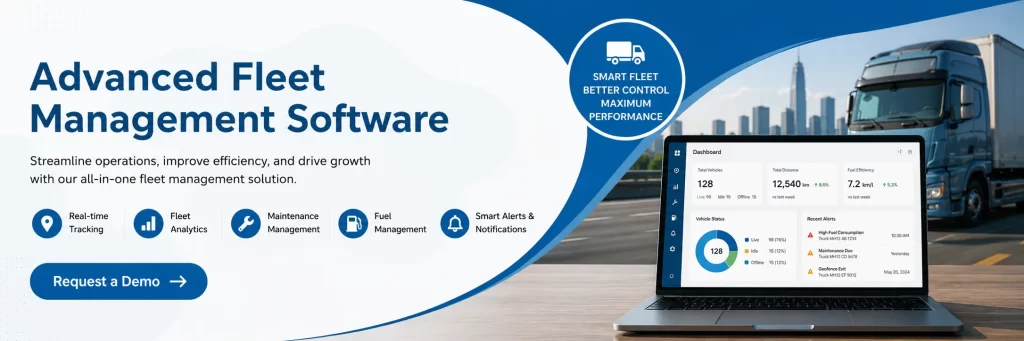
A GPS fleet management system gives construction managers complete visibility into the location and status of every vehicle and equipment asset from a single dashboard. Instead of relying on manual updates or repeated phone calls, managers can monitor fleet movement in real time and quickly identify operational issues before they affect project timelines.
Live fleet visibility enables faster decision-making, improves dispatch planning, and ensures resources are deployed where they are needed most. Businesses can respond immediately to unexpected delays, vehicle breakdowns, or route changes, helping projects stay on schedule and reducing costly downtime.
Smarter Route Planning Improves Productivity
Construction vehicles frequently transport materials, machinery, and workers between multiple project locations. Inefficient routing increases fuel consumption, delays deliveries, and places additional pressure on project schedules.
With GPS fleet management, businesses can analyse traffic conditions, travel history, and delivery routes to identify more efficient travel paths. Better route optimisation reduces unnecessary mileage, shortens travel time, and ensures materials reach construction sites on schedule. Improved route planning also lowers fuel expenses while increasing the number of productive trips completed each day.
Better Cost Management Through Fleet Insights
Reducing operational costs requires more than monitoring expenses—it requires understanding where unnecessary spending occurs. A fleet management system provides detailed reports on fuel consumption, idle time, vehicle utilisation, travel distance, and fleet performance, helping managers identify inefficiencies that would otherwise remain unnoticed.
These insights allow construction businesses to optimise fuel usage, improve vehicle scheduling, reduce maintenance costs, and allocate resources more effectively. Businesses using Sahaj GPS can make informed financial decisions based on accurate operational data instead of assumptions.
Improved Safety and Equipment Monitoring
Construction sites involve continuous movement of heavy vehicles and machinery, making safety a critical operational priority. Monitoring vehicle activity helps businesses reduce unsafe driving practices while ensuring valuable equipment is used responsibly across different project locations.
A GPS fleet management system can generate alerts for overspeeding, unauthorised vehicle movement, excessive idling, and other unusual activities. These notifications enable managers to take immediate corrective action, improve driver discipline, and strengthen overall fleet safety. Better monitoring also reduces equipment misuse and extends the working life of valuable construction assets.
Data-Driven Decision Making
Successful construction projects depend on accurate information. Manual reporting often delays decision-making and increases the likelihood of planning errors, especially when managing multiple vehicles across different job sites.
A GPS fleet management solution provides real-time reports, fleet analytics, vehicle utilisation data, and operational performance insights that support better business decisions. Managers can evaluate project progress, optimise fleet deployment, and improve resource planning using reliable information that updates continuously throughout the day.
Key Benefits of GPS Fleet Management for Construction
Implementing a modern GPS fleet management system delivers measurable improvements across construction operations. Some of the most significant benefits include:
- Reduced fuel consumption and lower operating costs
- Improved fleet visibility across multiple construction sites
- Better equipment utilisation and asset security
- Faster material deliveries through route optimisation
- Increased workforce productivity and project efficiency
- Better maintenance planning and reduced vehicle downtime
- Improved decision-making through real-time operational reports
Together, these advantages help construction businesses complete projects more efficiently while maintaining greater control over daily operations.
When Should Construction Businesses Implement GPS Fleet Management?
Businesses should consider implementing GPS fleet management when they begin experiencing rising fuel expenses, project delays, poor fleet visibility, equipment misuse, or increasing operational complexity. These challenges often indicate that manual fleet management methods are no longer sufficient to support business growth.
Adopting a reliable solution at the right stage allows businesses to improve operational efficiency before costs continue to increase. With intelligent fleet monitoring and reporting, organisations can strengthen project management while preparing for future expansion.
Final Thoughts
Construction projects demand precise coordination between vehicles, equipment, and field teams. Without accurate fleet visibility, businesses often face higher operating costs, delayed material deliveries, inefficient resource allocation, and reduced productivity. Managing these challenges manually becomes increasingly difficult as projects and fleet sizes continue to grow.
A modern GPS fleet management system helps construction companies gain complete control over fleet operations through real-time tracking, route optimisation, fuel monitoring, and performance reporting. With advanced solutions from Sahaj GPS, businesses can improve operational efficiency, reduce unnecessary expenses, strengthen equipment security, and complete construction projects with greater confidence and control.
Frequently Asked Questions
1. What is GPS fleet management in construction?
GPS fleet management uses GPS technology to monitor construction vehicles and equipment in real time, helping businesses improve fleet visibility, resource allocation, and overall project efficiency.
2. How does GPS fleet management reduce construction costs?
It helps reduce costs by improving route planning, lowering fuel consumption, reducing vehicle downtime, preventing equipment misuse, and providing real-time operational insights that support better decision-making.
3. Can GPS fleet management improve project timelines?
Yes. Real-time fleet tracking allows managers to monitor vehicle movement, identify delivery delays quickly, optimise schedules, and ensure materials and equipment reach project sites on time.
4. Is GPS fleet management suitable for small construction companies?
Absolutely. Small construction businesses can improve fleet efficiency, control fuel costs, protect equipment, and manage projects more effectively without investing in large operational teams.
5. Why choose Sahaj GPS for construction fleet management?
Sahaj GPS provides real-time vehicle tracking, fleet monitoring, route optimisation, fuel management insights, and equipment visibility, helping construction businesses improve productivity, reduce operating costs, and manage projects more efficiently.