
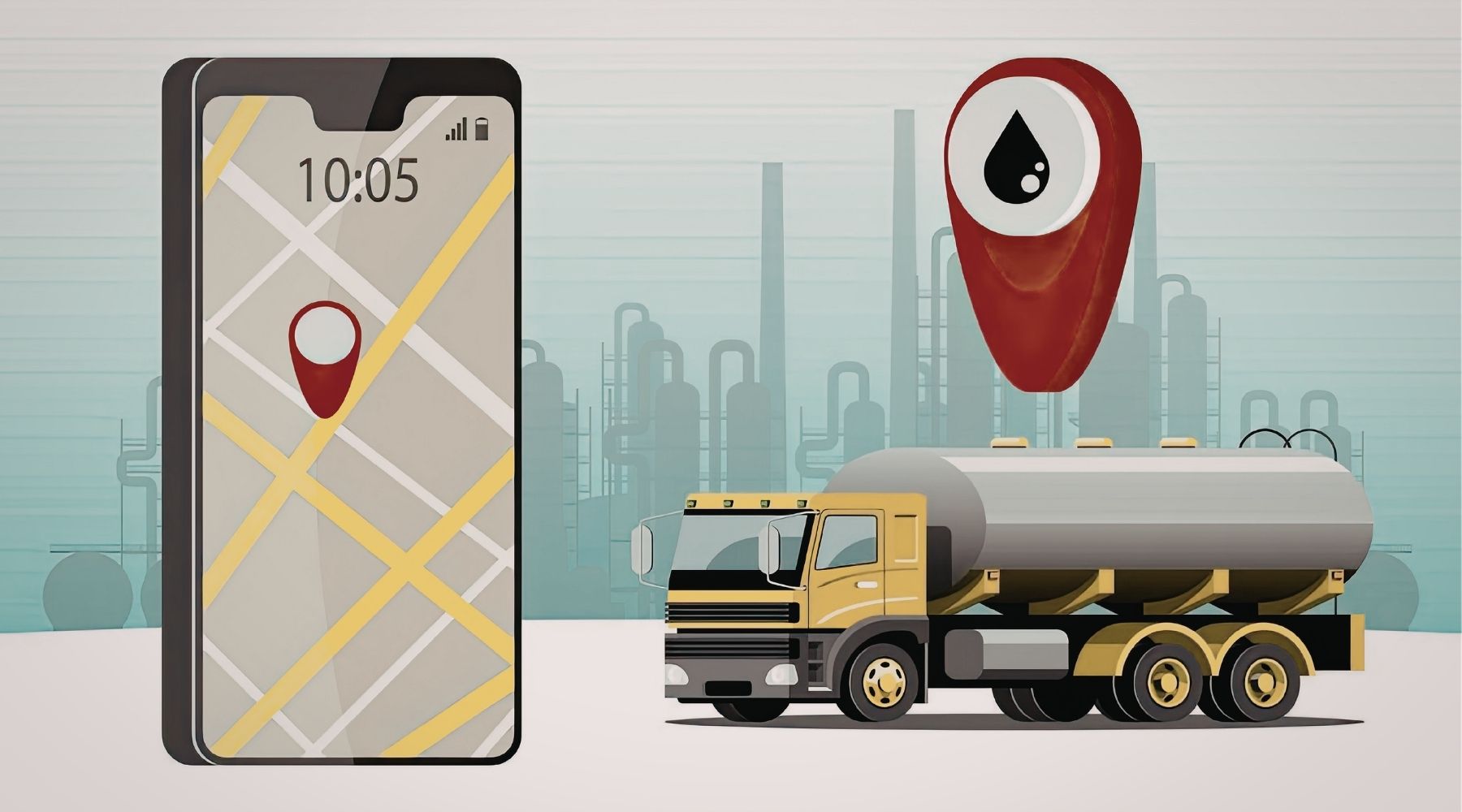
In today’s fast-paced logistics and transportation industry, a Vehicle Tracking System has become a crucial tool for improving efficiency, safety, and profitability.
Whether you manage a small fleet or hundreds of vehicles, implementing GPS tracking technology helps streamline operations and give you full control over your fleet.
In this blog, we will explore the 7 major benefits of a Vehicle Tracking System and why businesses are adopting it rapidly.
1. Real-Time Tracking and Complete Visibility
A Vehicle Tracking System provides live updates on the exact location of every vehicle. Real-time tracking helps business owners monitor routes, vehicle status, and driver activities with complete accuracy.
Key advantages:
- Better route planning
- Reduced delays
- Improved visibility for fleet managers
2. Reduced Fuel Costs
Fuel expenses are one of the biggest challenges in logistics. A GPS vehicle tracking system helps businesses save fuel by identifying unnecessary idling, overspeeding, and inefficient routes.
Benefits include:
- Smart route optimization
- Controlled fuel consumption
- Lower operational costs
3. Enhanced Driver Safety and Behavior Monitoring
A vehicle monitoring system tracks driver habits like harsh braking, sudden acceleration, and overspeeding. This improves driver accountability and helps companies promote safe driving practices.
With tracking software, you can:
- Reduce accident risk
- Improve performance with driver scorecards
- Train drivers effectively
4. Theft Prevention and Quick Recovery
Vehicle theft is a major concern for fleet owners. A Vehicle Tracking System alerts you instantly if a vehicle moves out of a designated zone, stops unexpectedly, or is used without authorization.
Real-time location helps:
- Prevent vehicle misuse
- Recover stolen vehicles faster
- Increase asset security
5. Better Operational Efficiency
A good vehicle tracking and fleet management system helps reduce manual work, automate reports, and improve workflow.
It enables:
- Faster dispatching
- Improved delivery timelines
- Automated maintenance alerts
6. Lower Maintenance Costs
Vehicle tracking helps track engine performance, mileage, idle time, and service schedules.
This results in:
- Timely maintenance
- Fewer breakdowns
- Longer vehicle lifespan
7. Improved Customer Satisfaction
Real-time updates and accurate ETAs improve customer trust and transparency. With a GPS vehicle tracking system, businesses can provide timely deliveries and better communication.
Impact on customers:
- Faster service
- Accurate delivery timelines
- Higher satisfaction
Conclusion
A Vehicle Tracking System is no longer an optional tool – it’s a necessity for modern transportation and logistics businesses. From reducing fuel costs to enhancing safety and boosting customer satisfaction, the benefits are undeniable.
Companies adopting vehicle tracking and fleet management solutions are experiencing higher productivity, reduced operational costs, and smoother business operations.
FAQ
1. What is a Vehicle Tracking System?
A Vehicle Tracking System uses GPS technology to monitor the real-time location, movement, and performance of vehicles. It helps businesses improve fleet management and operational efficiency.
2. How does a Vehicle Tracking System work?
It uses GPS-enabled devices installed in vehicles that send real-time data to a central dashboard. Fleet managers can track routes, speed, engine status, and driving behavior.
3. What are the main benefits of using a Vehicle Tracking System?
Key benefits include reduced fuel costs, improved driver safety, real-time tracking, theft prevention, better route planning, automated reports, and enhanced customer satisfaction.
4. Can a Vehicle Tracking System reduce fuel consumption?
Yes. By eliminating unnecessary idling, controlling overspeeding, and optimizing routes, a GPS tracking system significantly reduces fuel expenses.
5. Is a Vehicle Tracking System useful for small businesses?
Absolutely. Small fleets benefit the most because it helps them reduce operational costs, improve efficiency, and manage vehicles more effectively.
6. Does the system help prevent vehicle theft?
Yes. Real-time tracking, geofencing alerts, and unauthorized movement notifications make it easier to prevent theft and recover stolen vehicles quickly.
7. Can I track driver behavior with a Vehicle Tracking System?
Yes, it monitors speeding, harsh braking, sudden acceleration, and other driving habits to improve safety and accountability.